
Last updated November 22, 2026
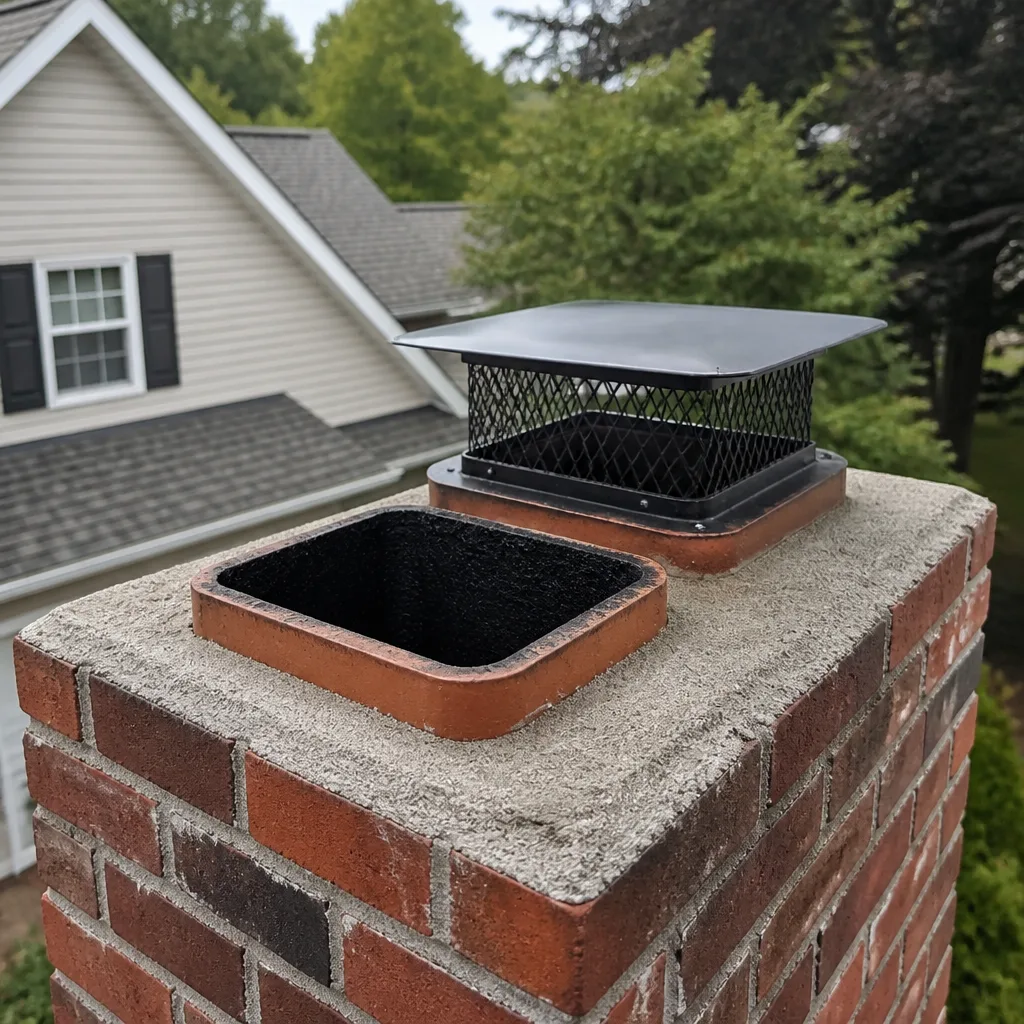 Sweep & inspection
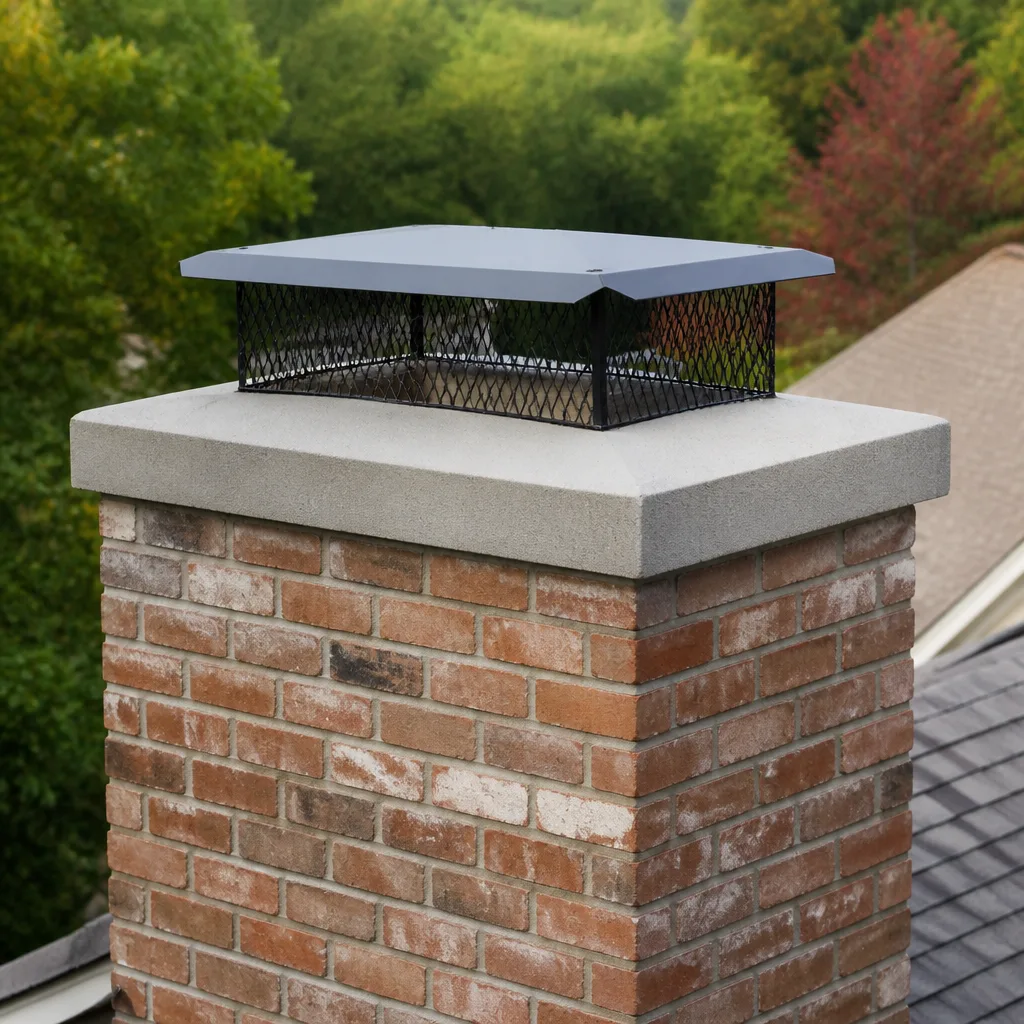 Caps & crowns
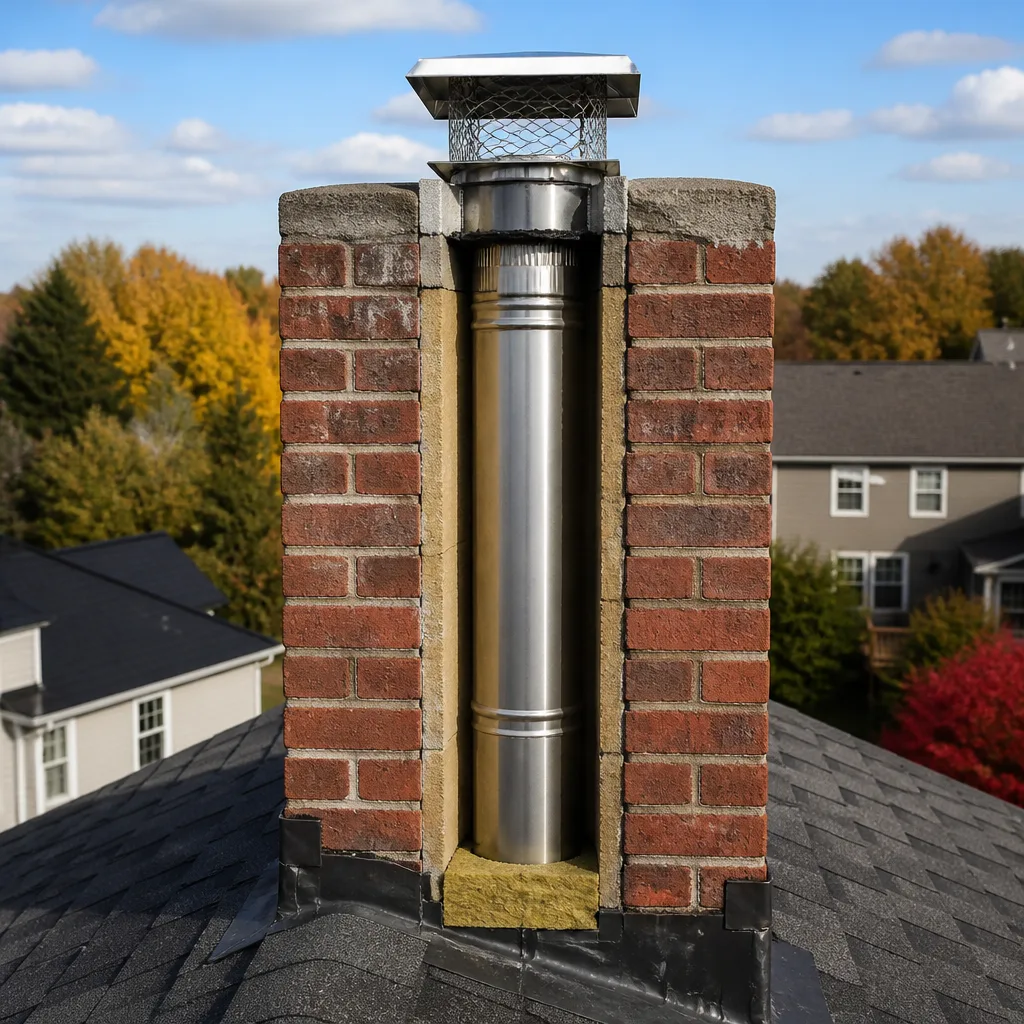 Flue relining
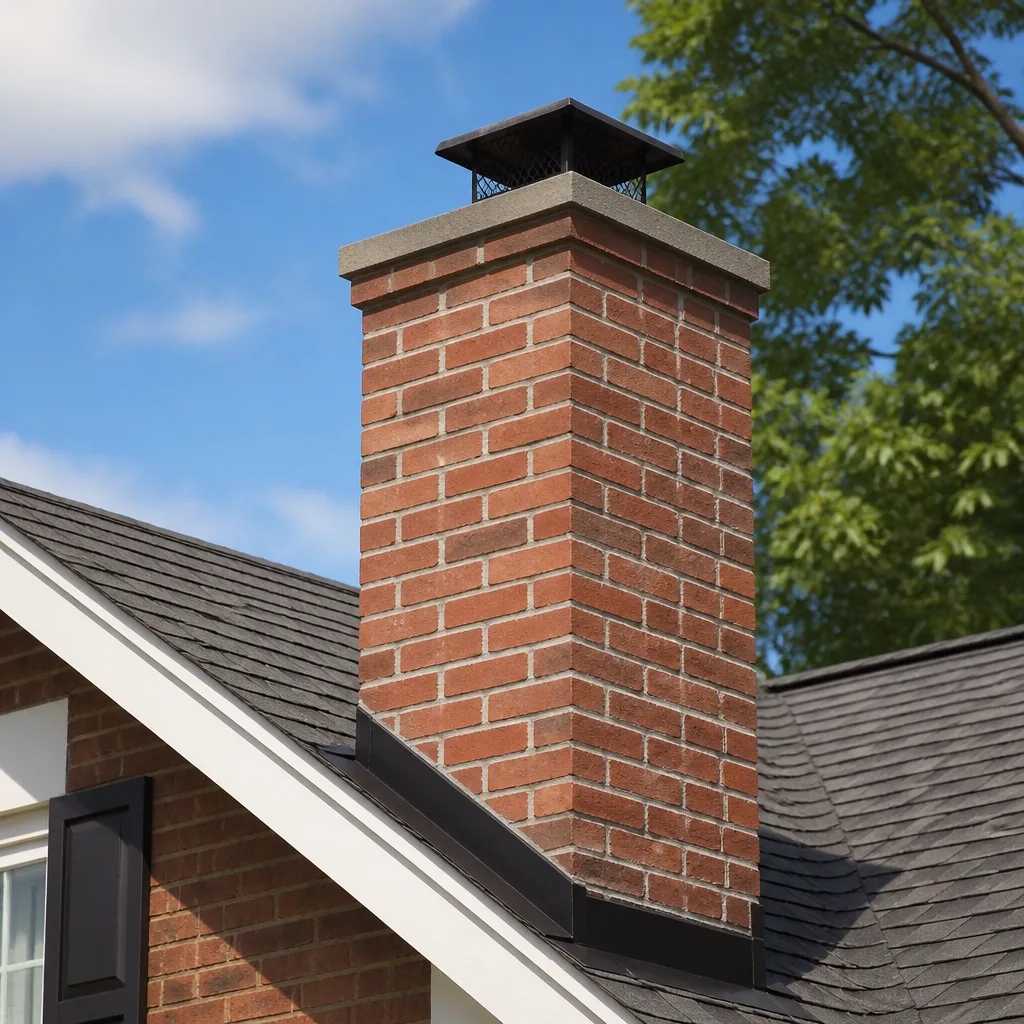 Masonry repair
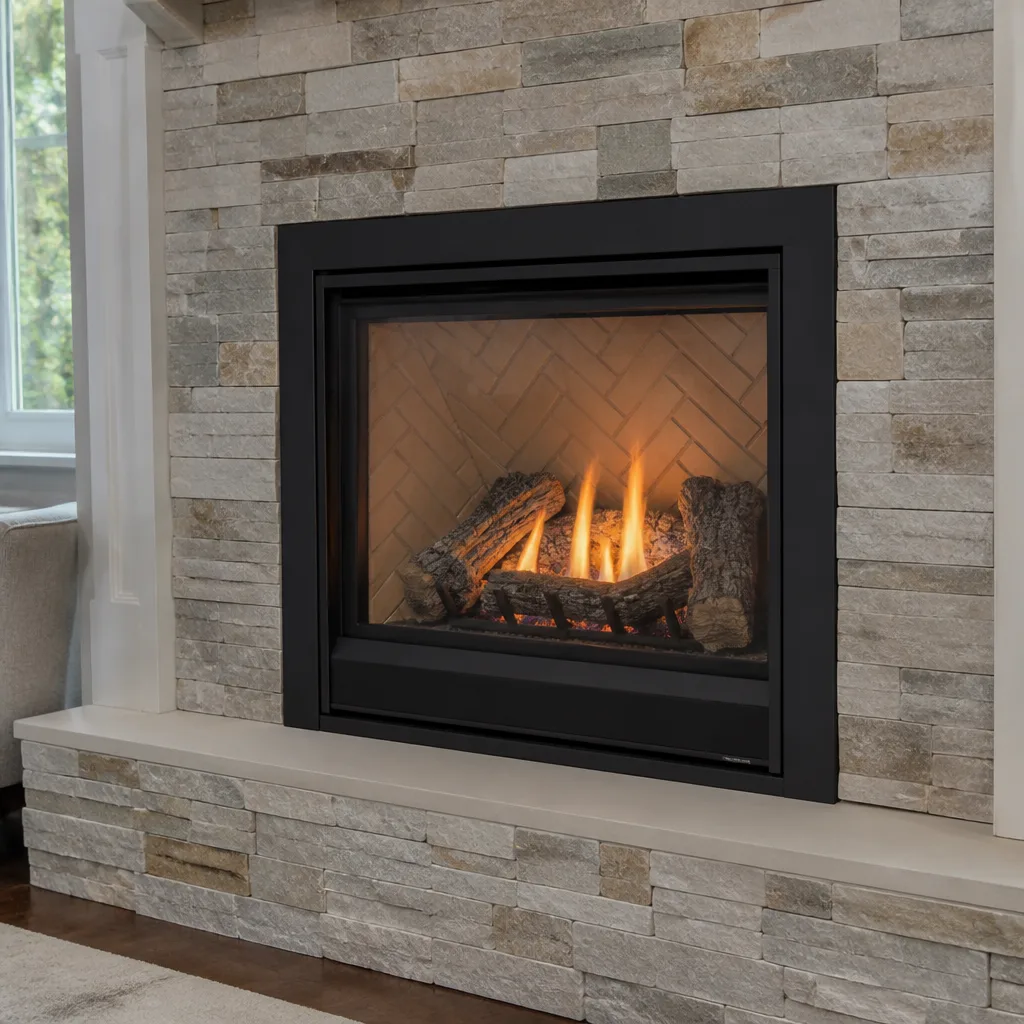 Gas fireplace service
Level 1 sweep and inspection to the NFPA 211 annual standard - flue, crown, cap, and flashing checked and photographed
Chimney sweep logs do not sweep chimneys. They loosen some creosote - which then falls where a brush and vacuum still have to collect it.
Chimney Cleaning Permits, Codes & Inspections in Holmesburg, PA: What You Need to Know
Most homeowners assume the permit question starts and ends with the cleaning itself. It doesn’t. Cleaning a chimney in Philadelphia is routine maintenance and needs no permit at all. But the repairs that a cleaning so often uncovers – a failed liner, a cracked crown, a rebuilt stack above the roofline – do trigger permits under the city’s building code, and the line between “maintenance” and “construction” is narrower than most people think. We’ve watched homeowners discover at settlement that a liner installed years earlier was never permitted, and unwinding that is far harder than pulling the permit up front. This guide draws that line clearly for Holmesburg homeowners: what needs a permit, what Pennsylvania’s adoption of NFPA 211 requires, how inspections intersect with code compliance, and why a contractor who pulls permits is doing you a favor.
Quick Answer
Chimney cleaning in Holmesburg requires no permit – routine sweeping and inspection are maintenance and fall outside Philadelphia’s permitting rules. But structural chimney work does require a permit from the City of Philadelphia Department of Licenses and Inspections (L&I): liner installation, crown replacement, masonry repair beyond cosmetic patching, and full rebuilds all trigger one. Any contractor performing that work should be pulling the permit before the job, not after.
Styles & brands we work with
- Sweep & inspection
- Caps & crowns
- Flue relining
- Masonry repair
- Gas fireplace service
Table of Contents
- What’s the Difference Between Cleaning and Code-Triggering Work?
- Which Chimney Services Need a Philadelphia L&I Permit?
- What Does NFPA 211 Actually Require in Pennsylvania?
- How Does a Level 2 Inspection Intersect With Code Compliance?
- What Happens If Unpermitted Chimney Work Surfaces at a Property Transfer?
- Why Hiring a Contractor Who Pulls Permits Matters
- How Holmesburg’s Housing Stock Shapes the Permit Question
- Step-by-Step: Getting Chimney Work Done the Right Way
What’s the Difference Between Cleaning and Code-Triggering Work?
The threshold isn’t about how big the job feels. It’s about whether you’re maintaining an existing assembly or altering its structure. Sweeping a flue, removing creosote, checking a damper, inspecting a firebox – none of that changes a building component, so none of it needs a permit. The moment a job involves installing, replacing or structurally repairing part of the chimney system, you’ve crossed from maintenance into construction work, and Philadelphia’s code treats it that way.
Here’s the practical split we walk Holmesburg homeowners through:
- Maintenance (no permit): annual sweeping, Level 1 and Level 2 inspections, cap replacement where it’s a simple friction-fit, minor firebox mortar touch-ups, damper adjustment.
- Construction (permit required): liner installation or replacement, crown rebuild or replacement, masonry repair that goes beyond cosmetic work, full chimney rebuilds, flue conversions, and any work that alters the chimney’s structural envelope.
The confusion usually shows up around liners. A homeowner hears “liner” and thinks it’s a maintenance item, the same way a furnace filter is. It isn’t. A liner is a structural system inside the flue, and one of the biggest reasons we recommend the chimney repair conversation happen before the cleaning is so the permit scope gets settled while the flue is open and visible. In our experience, most Holmesburg homes with original mid-century flues have at least one liner question worth answering, and it’s better to answer it deliberately than to discover it under deadline pressure at a settlement table.
There’s also a useful distinction between “fixing something that’s failed” and “making something compliant.” Patching a small crack in a crown is one thing. Replacing the crown so that the whole assembly meets code is another. The first is often a maintenance call; the second is a permitted repair. If you’re not sure which side of the line your job sits on, that’s worth a phone call before anyone touches the roof.
Which Chimney Services Need a Philadelphia L&I Permit?
Philadelphia’s Department of Licenses and Inspections issues permits for chimney work that involves structural alteration, and the practical list breaks down like this. We’ll say plainly: permits are issued by L&I, so the definitive answer for any specific job is whatever L&I tells you when the application is filed. But here’s how the categories typically shake out, which is what most Holmesburg homeowners are really asking.
- Sweeping and inspection – no permit. Routine maintenance all the way through.
- Cap replacement – usually no permit when it’s a direct-fit replacement of an existing cap. A new cap on a chimney that previously had none, with new fastening to the crown, is closer to the line. Ask the question.
- Crown repair or replacement – permit required when the crown is being structurally rebuilt or replaced. Cosmetic patching of hairline cracks is repair; resurfacing the whole crown is construction.
- Liner installation or replacement – permit required. This is the big one, and it’s the category where we see unpermitted work most often. A DuraFlex flexible liner or a rigid liner installed through an existing flue is a structural system installation, and it needs a permit filed before the work starts.
- HeatShield ceramic resurfacing – this is a gray zone worth understanding. HeatShield restores deteriorating mortar joints from the inside without demolition, which is why it’s often the cost-saving alternative to a full liner replacement. In our experience, whether L&I treats a resurfacing job as a repair or a construction activity depends on the scope of the underlying deterioration. If the flue is structurally compromised, treat it as a permitted liner job.
- Masonry repair beyond cosmetic – permit required once you’re rebuilding courses, addressing spalling above the roofline, or repairing structural movement. Repointing a few joints at the smoke chamber is repair.
- Full chimney rebuild – permit required. Full stop.
- Flue conversion or appliance change – permit required. Changing from a wood-burning fireplace to a gas insert, for example, changes the liner specifications and the clearances, which means the whole system may need to be brought into compliance.
If you’re reading this and thinking “that’s more categories than I expected,” that’s exactly the point. The difference between a maintenance visit and a permitted repair is narrower than most Holmesburg homeowners assume, and a contractor who knows the line is one who won’t hand you an unpermitted liner.
What Does NFPA 211 Actually Require in Pennsylvania?
Pennsylvania has adopted NFPA 211, the national standard for chimneys, fireplaces, vents and solid-fuel-burning appliances. In practice, that means the standard isn’t just a guideline here – it’s the baseline against which chimney installations and repairs are measured. And this is where the material and clearance questions get really concrete.
NFPA 211 covers a lot, but the parts that matter most to Holmesburg homeowners come down to three things:
- Liner requirements. A flue has to be lined with an approved material appropriate to the fuel being burned. Wood fireplaces, gas appliances and oil-fired equipment each have different liner specifications. A liner that was fine for one fuel may be inadequate for another. This is why a flue conversion isn’t a liner swap – it’s a re-specification of the whole system.
- Clearances to combustibles. The distance between the chimney structure and nearby framing, roofing and insulation is specified in the standard. An old chimney that was built before the current clearances were in place may need to be brought into compliance during any structural repair.
- Inspection requirements. NFPA 211 ties the required level of inspection to the situation: annual Level 1 for a system that’s operating normally, a Level 2 after a chimney event or before a property transfer, and a Level 3 when a hidden hazard is suspected. This is the framework that inspections in Holmesburg should be following.
The material choice is where this gets practical for our customers. We specify the right material for the flue, not the easiest one to install, and that means matching the liner specification to the fuel, the flue condition and the clearance situation. Brands like DuraFlex give us flexible-liner options that work inside a masonry flue that’s lost its original clay tile, while HeatShield resurfacing can restore a flue where the mortar joints are deteriorating but the tile structure is otherwise sound. Chimney cap & crown work is part of the same NFPA 211 conversation, because the crown is what protects the liner installation from water entry. In our experience, a permitted liner job that doesn’t address the crown is a job that will be back open sooner than it should be.
If you want to know whether your chimney is actually compliant with NFPA 211, the answer isn’t “probably” – it’s “let’s inspect and find out.”
How Does a Level 2 Inspection Intersect With Code Compliance?
A Level 2 inspection is the more thorough of the routine inspections. It includes everything a Level 1 covers, plus a video scan of the flue interior, a review of accessible portions of the chimney exterior, and an assessment of the appliance connection. In Philadelphia, a Level 2 inspection is what’s expected before a property transfer, after a chimney fire or other chimney event, and after an appliance change.
Where the code question really sharpens is in that inspection report. A Level 2 inspection is not just a condition assessment – it’s effectively a code compliance audit of what’s inside your flue. A properly done Level 2 tells you:
- Whether the liner is present and intact, and whether it meets NFPA 211 specifications for the fuel being burned.
- Whether there’s any evidence of an unpermitted installation – a liner installed without proper clearances, a crown replacement done as a cosmetic patch, a flue conversion that skipped the liner specification.
- Whether the firebox, smoke chamber and damper are functioning and structurally sound.
- Whether there are signs of past chimney events that weren’t properly repaired.
A Level 2 inspection is also where the permit question gets an evidence-based answer. We’ve walked Holmesburg homeowners through inspections where the flue video revealed a liner that had clearly been installed years before without a permit, and the honest answer in that situation is: it can be brought into compliance, but the scope has to be right. That’s not a scare tactic, it’s just what the inspection shows.
The reason a Level 2 is so useful is that it converts a “should I worry about this?” feeling into a document. Homebuyers get it. Insurance carriers get it. The next contractor gets it. And you get a clear picture of what needs to happen before the flue gets closed back up.
What Happens If Unpermitted Chimney Work Surfaces at a Property Transfer?
This is the scenario we see most often, and it’s the reason this guide exists. While a house is being sold, a home inspector or a Level 2 inspection reveals that a chimney liner was installed years ago without a permit. The buyer’s lender wants to know the record of that liner. The title company wants a clean path. The seller wants the deal to close. And suddenly there’s a timeline problem.
Here’s how it typically plays out:
- The buyer’s lender flags it. An unpermitted structural system on a property can complicate lending. Sometimes it means the buyer can’t get financing until the permit question is resolved.
- The seller has two paths. Retrofitting the permit through L&I to match what was already installed, or removing and redoing the work with the proper permit filed. The first is usually cheaper and faster, but the assessment has to confirm the existing work meets NFPA 211 specifications before L&I will sign off.
- The clock is tight. Settlement schedules don’t usually leave room for a slow permit process, which is why the discovery at transfer is so much more painful than doing it right at install.
We’ve helped Holmesburg homeowners approach this deliberately: get the Level 2 inspection first, get the flue scanned and the liner documented, then approach L&I with an honest scope. We can work with your insurer where relevant, but the permit itself is a city matter. What we can do is make sure the work is documented and compliant by the time it’s inspected, so the record is clean.
The bigger lesson here is that permits are cheaper than unpermitted work. A permit filed before install is a line item. A permit retrofitted at settlement is a negotiation. Those are very different experiences for the homeowner holding the deed.
Why Hiring a Contractor Who Pulls Permits Matters
Some homeowners see permits as bureaucratic overhead – a fee and a wait that doesn’t change the physical work. It changes a lot more than that, and the reasons come down to liability and insurance.
When a contractor pulls a permit, the work is inspected by L&I. That inspection is the difference between “the liner looks fine” and “the liner meets NFPA 211 and the city has the record to prove it.” If something goes wrong later – a chimney fire, a carbon monoxide issue, a structural failure – the permit and the inspection record are evidence that the system was installed to code. Without them, the homeowner owns the risk.
There’s also a coverage question. Most homeowners’ insurance policies have language around unpermitted alterations to the structure. In our experience, a claim involving an unpermitted liner can become a much harder conversation than one involving a permitted, inspected install. That’s not an alarm bell about your specific policy – it’s the general reason we recommend the permit path even on jobs where the homeowner is tempted to skip it.
And there’s the single-company accountability piece. When a contractor who knows the permit process handles the whole job – inspection, permit application, liner installation, crown work, inspection sign-off – you’re not the one coordinating between an installer and a city inspector. One call, one job site, one record. That’s the difference between a contractor who’s a specialist and one who’s coordinating pieces they don’t own.
How Holmesburg’s Housing Stock Shapes the Permit Question
Holmesburg’s housing stock runs toward older rowhouses, twins and detached single-families, many of them built mid-century and some with original fireplaces and masonry chimneys that have never been structurally touched. That age profile is exactly why the permit question comes up so often in Holmesburg.
Here’s what we see in the field across Holmesburg neighborhoods like Upper Holmesburg, Pennypack and near the Torresdale border:
- Chimneys built before current clearances. A chimney constructed in the 1950s may meet the clearances that were current at the time but not the clearances NFPA 211 specifies now. Any structural repair becomes the moment those clearances get checked. That’s not a reason to avoid the repair – it’s a reason to plan the scope correctly, since a “small” crown fix on an older stack can reveal clearances that need addressing.
- Clay tile that’s interior-deteriorated. Interior clay tile loses joints over time as the masonry expands and contracts through our freeze-thaw cycles – Holmesburg winters are hard on masonry. A flue that looked fine from the top can be joint-deteriorated further down, which a Level 2 inspection catches and a Level 1 misses.
- Flue conversions done without liner re-specification. A gas insert installed into an original wood-burning flue without a new liner is a common Holmesburg scenario. The insert may function, but the flue isn’t NFPA 211 compliant for that fuel, and a permitted conversion would have addressed that.
- Cap and crown deterioration. The freeze-thaw pattern here produces crown cracking that a homeowner can’t see from the ground. A crown failure is the most common path to a liner failure, which is why crown work is a named service for us and not an afterthought.
None of this is a reason to panic. It’s a reason to know what’s inside the flue before making decisions about the house. A permitted liner replacement, sized correctly for the fuel and the flue, is a straightforward solution to most of these problems. What’s expensive is doing it unpermitted and discovering the scope was wrong at settlement.
Step-by-Step: Getting Chimney Work Done the Right Way
If you’re in Holmesburg and a cleaning turned up something that looks like more than maintenance, here’s the process we walk homeowners through. The steps are worth knowing because most of the complexity lives in the sequencing, not the work itself.
- Get a Level 2 inspection first. Before any structural work is discussed, get the flue scanned and the condition documented. A video scan is the foundation for every decision that follows.
- Get the scope written down. Ask the contractor to put the scope in writing: what’s being replaced or repaired, what liner specification is being used, and whether a permit is required for that scope.
- Confirm the permit filing before work starts. The permit should be filed before the crew opens the flue. Filing after the fact is what creates the retrofit problem.
- Review the liner material against the fuel type. Ask specifically which liner is being installed and why that material is right for what you burn. A DuraFlex flexible liner is a good fit for one flue type; a rigid liner is a better fit for another. The right answer is specific to your setup.
- Schedule the sweep and the structural work in the right order. The sweep usually comes first, so the flue is clean and the inspection is accurate. Then the permitted work, then the inspection sign-off.
- Keep the documentation. The permit record, the inspection report and the liner specification sheet should all go in the property file. They matter at settlement, they matter to your insurer, and they matter to the next homeowner who asks.
If you’re not sure whether your current issue crosses the permit line, that’s the call to make before anything else. Call (866) 780-1537. We answer 24/7. Fast dispatch from 7am to 7pm, Sunday through Friday.
Common Mistakes to Avoid
- Skipping the permit on a liner job. The liner is the single most common unpermitted chimney installation we see. It’s also the one that complicates a property transfer most directly. File the permit before the work starts, not after.
- Treating a crown patch as crown replacement. A cosmetic patch on a crown that’s structurally failing doesn’t solve the problem, it hides it until the next freeze-thaw cycle. If the crown needs replacement, treat it as a permitted repair.
- Assuming a Level 1 inspection is enough for a home sale. It isn’t. A Level 2 inspection is what catches unpermitted work and interior liner deterioration before closing. A Level 1 is for an annual checkup, not a transaction.
- Converting the flue without re-specifying the liner. A gas insert dropped into a wood-burning flue without a liner re-specification is not NFPA 211 compliant. The conversion may function, but the record won’t hold up.
- Hiring a generalist for a structural chimney job. A handyman can sweep a flue. A generalist may not know the liner requirements or the permit thresholds. The job that needs a permit is the job that needs a specialist.
- Ignoring the crown because the liner “looked fine.” The crown is what keeps the liner dry. A permitted liner installation on a failing crown is a job that will be reopened sooner than it should be.
- Waiting until settlement to ask about unpermitted work. The discovery is easier to solve three months out than three days out. If you’re considering a sale in the next year, get a Level 2 inspection on the calendar.
See the difference
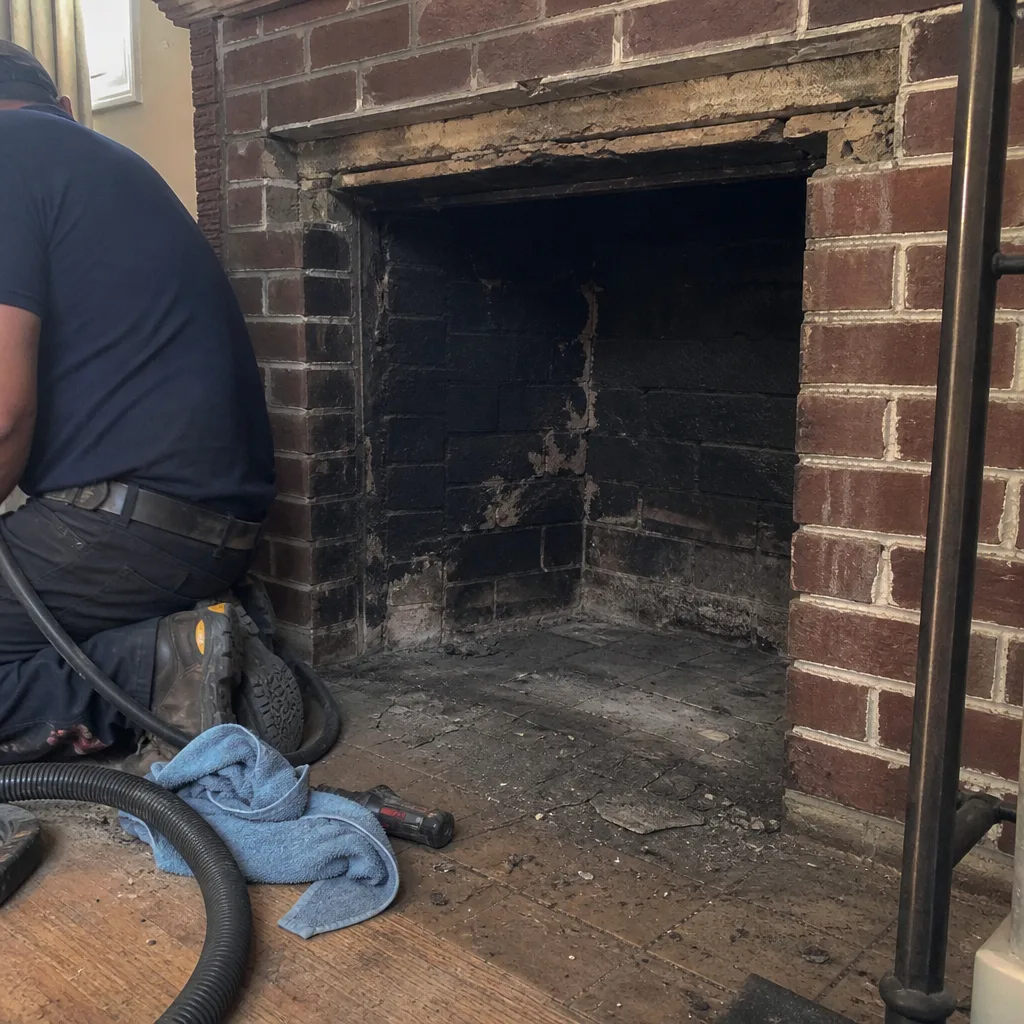 Before
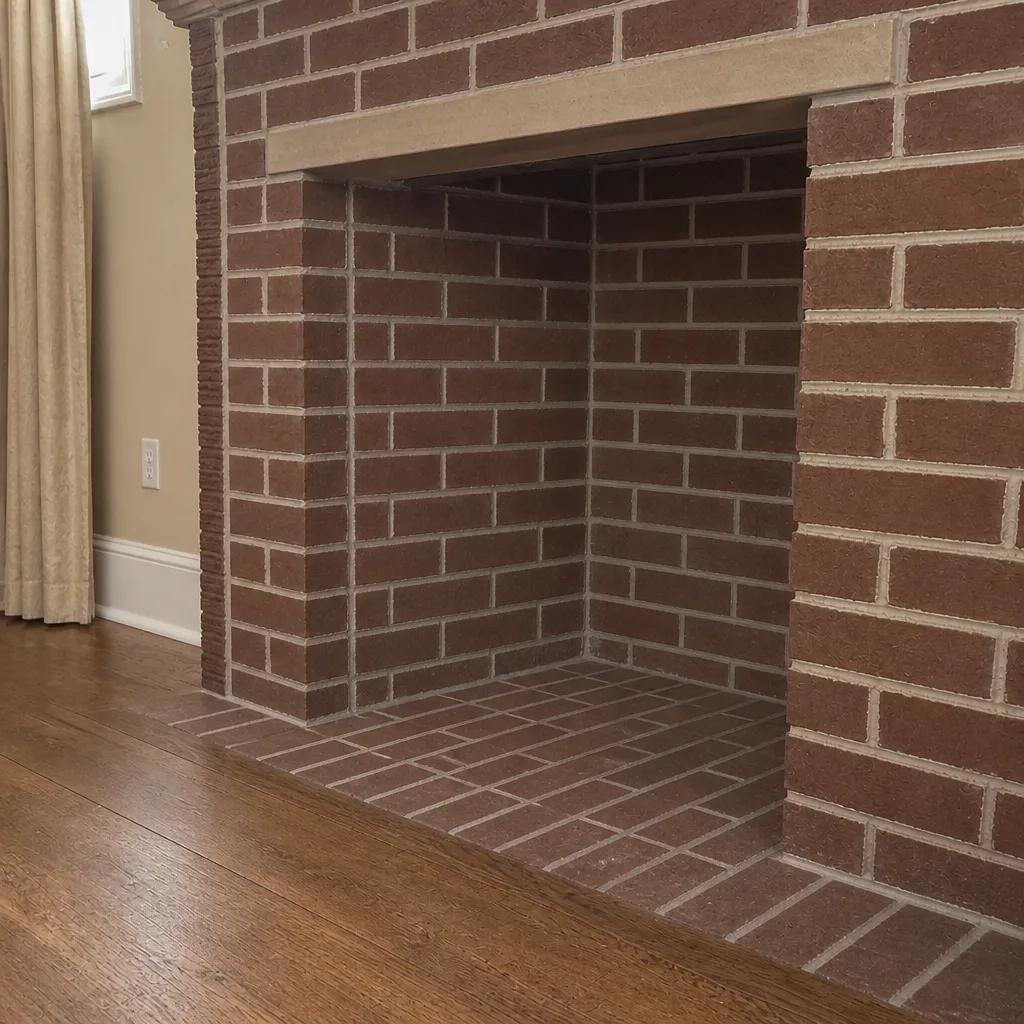 After
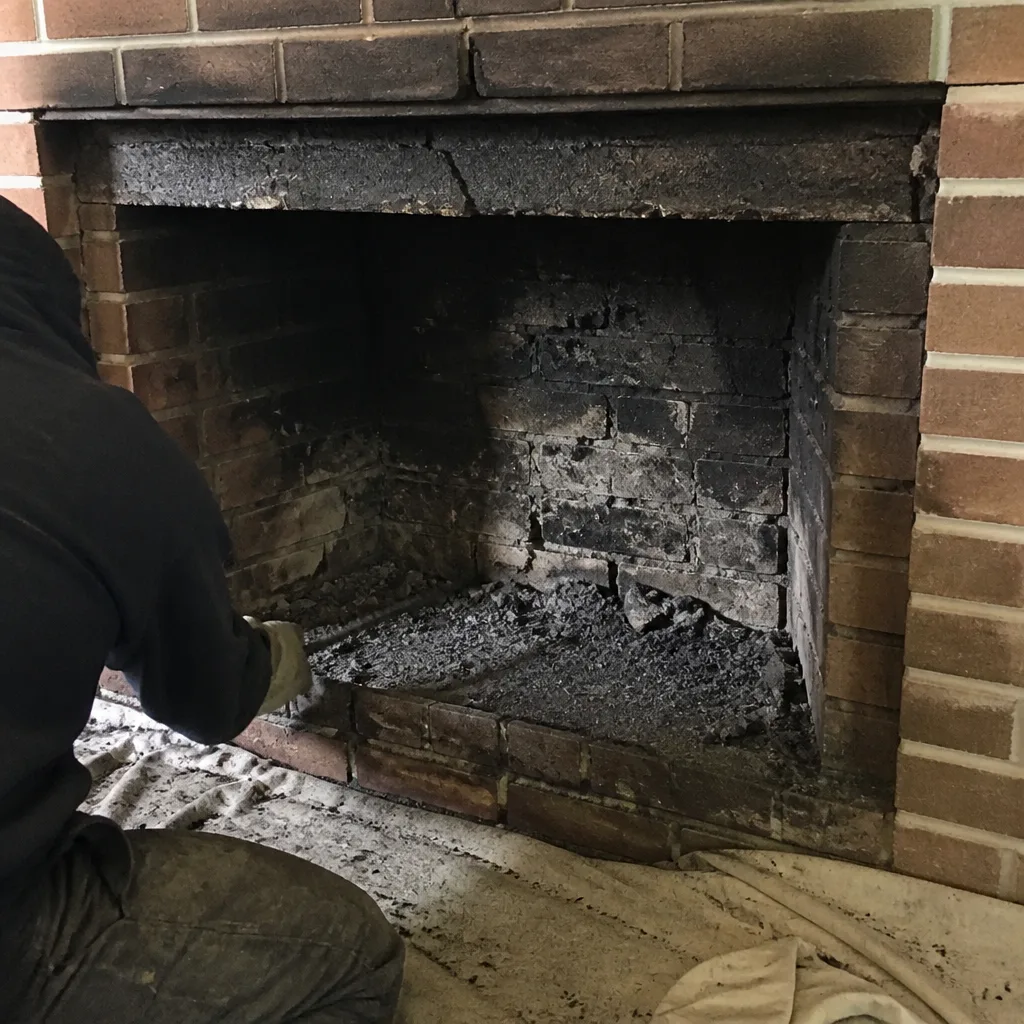 Before
 After
 Before
 After
When to Call a Professional
Some chimney work is safe to handle as a homeowner – annual sweeping, replacing a friction-fit cap, a visual check of the firebox after a burn. But the moment a job involves the liner, the crown structure, the masonry above the roofline or anything on the permit list, we recommend a trained professional. That’s not a sales position, it’s a safety one: unpermitted structural work on a flue is a carbon monoxide and chimney fire risk, and a failed liner or compromised clearance doesn’t announce itself until it’s a real problem.
If a Level 2 inspection turned up an unpermitted liner, if the crown has visible cracking from the ground, if a chimney fire happened in the past and was never properly inspected, or if you’re within a year of selling a Holmesburg home, those are the scenarios where the professional conversation is worth having now. Chimney Sweep Holmesburg offers free estimates in Holmesburg – call (866) 780-1537. We answer 24/7. Fast dispatch from 7am to 7pm, Sunday through Friday.
Frequently Asked Questions
No – chimney cleaning is routine maintenance and does not require a permit in Holmesburg or anywhere in Philadelphia. Permits are triggered by structural work: liner installation, crown replacement, masonry repair beyond cosmetic patching, and full rebuilds. A cleaning is the inspection moment that tells you whether a permitted repair is coming. Call (866) 780-1537 for an exact quote on a sweep – estimates are free.
A Level 2 inspection is what the standards call for before a property transfer, and in our experience a seller is far better off getting it early. It catches unpermitted liner work, interior tile deterioration and crown issues before a buyer’s inspector finds them under deadline pressure. If your sale is within the next year, book the inspection. Call (866) 780-1537 for details on scheduling.
The unpermitted liner can usually be brought into compliance, but the path has to be verified. The typical process is a Level 2 inspection to document the existing installation, followed by a permit retrofit through L&I where the work meets NFPA 211 specifications. In some cases the liner has to be replaced. Either path is easier to plan with time on your side. Call (866) 780-1537 for an assessment.
It depends on the scope. HeatShield is a ceramic resurfacing system that restores deteriorating mortar joints inside the flue without demolition, and when the underlying tile structure is sound, it’s often treated as a repair rather than a permitted liner installation. When the flue is structurally compromised, treat it as a permitted job. The Level 2 inspection is what tells you which side of the line you’re on. Call (866) 780-1537 to talk through your flue.
Pricing for a chimney sweep in Holmesburg is per job, set by the written estimate after we see the flue. A standard sweep is usually less than a liner installation or a crown replacement, and a Level 2 inspection is a separate line item when a video scan is needed. The written estimate sets the final price. Call (866) 780-1537 for an exact quote – estimates are free.
The liner still functions – the permit isn’t what makes the metal work. What the permit does is put the installation on record with L&I and get the work inspected to NFPA 211 specifications. If the unpermitted installation surfaces later at a property transfer, on an insurance claim or after a chimney event, the homeowner is the one holding the risk. Call (866) 780-1537 before the flue gets closed up.
The Bottom Line
Chimney cleaning in Holmesburg never needs a permit. Structural chimney work in Philadelphia almost always does. The line between the two is narrower than most homeowners assume, and it runs straight through liner installation, crown replacement, masonry repair and full rebuilds. A Level 2 inspection is what tells you which side of that line your chimney sits on, and getting it done before a property transfer is the single cheapest way to avoid the retrofit problem. Hire a contractor who pulls permits, keep the documentation, and treat the cap and crown as part of the system, not an afterthought. That’s the whole guide in one paragraph.
From annual sweep to full liner rebuild, one specialist, one call. We specify the right material for your flue, not the easiest one to install. When you’re ready to know what’s actually inside the chimney, call Chimney Sweep Holmesburg at (866) 780-1537. We answer 24/7. Fast dispatch from 7am to 7pm, Sunday through Friday. Free estimates on sweep, inspection and permitted liner work.
Written by the team at Chimney Sweep Holmesburg.