
Last updated November 22, 2026
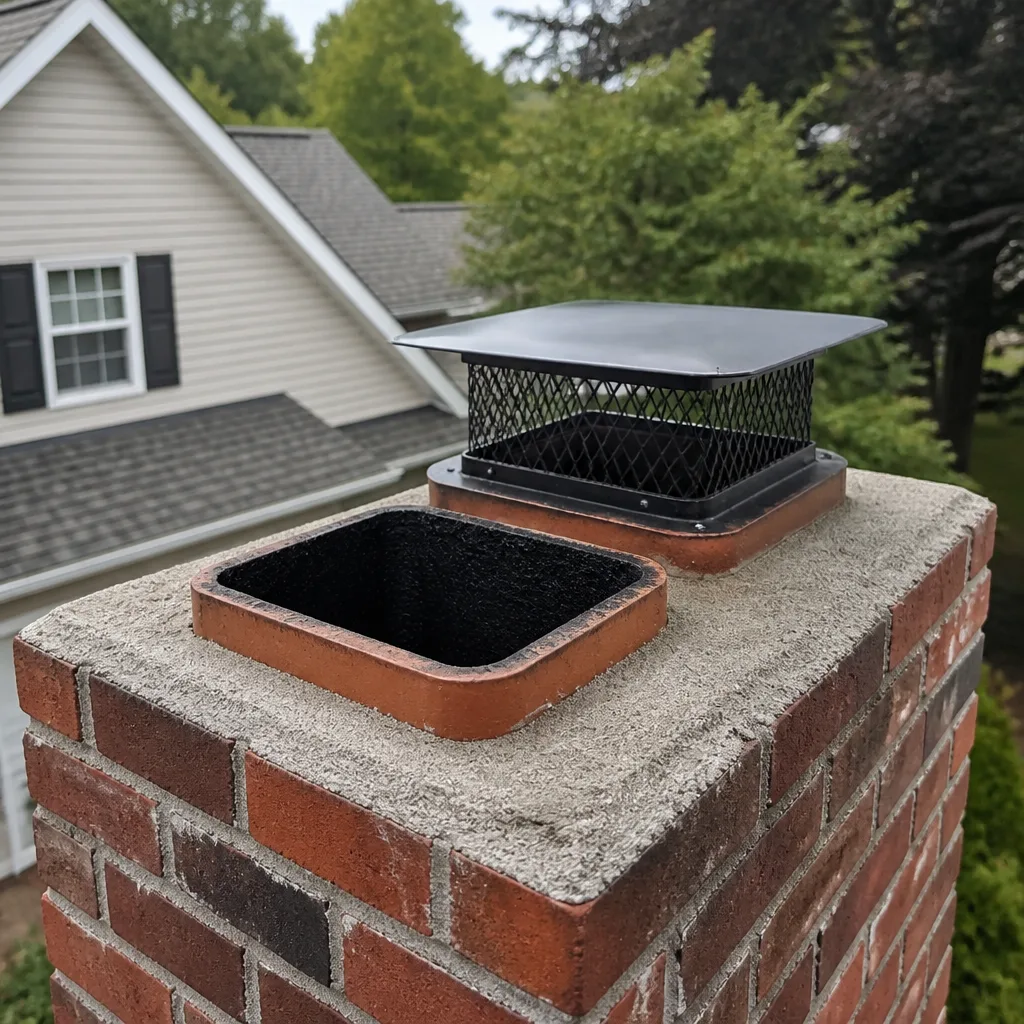 Sweep & inspection
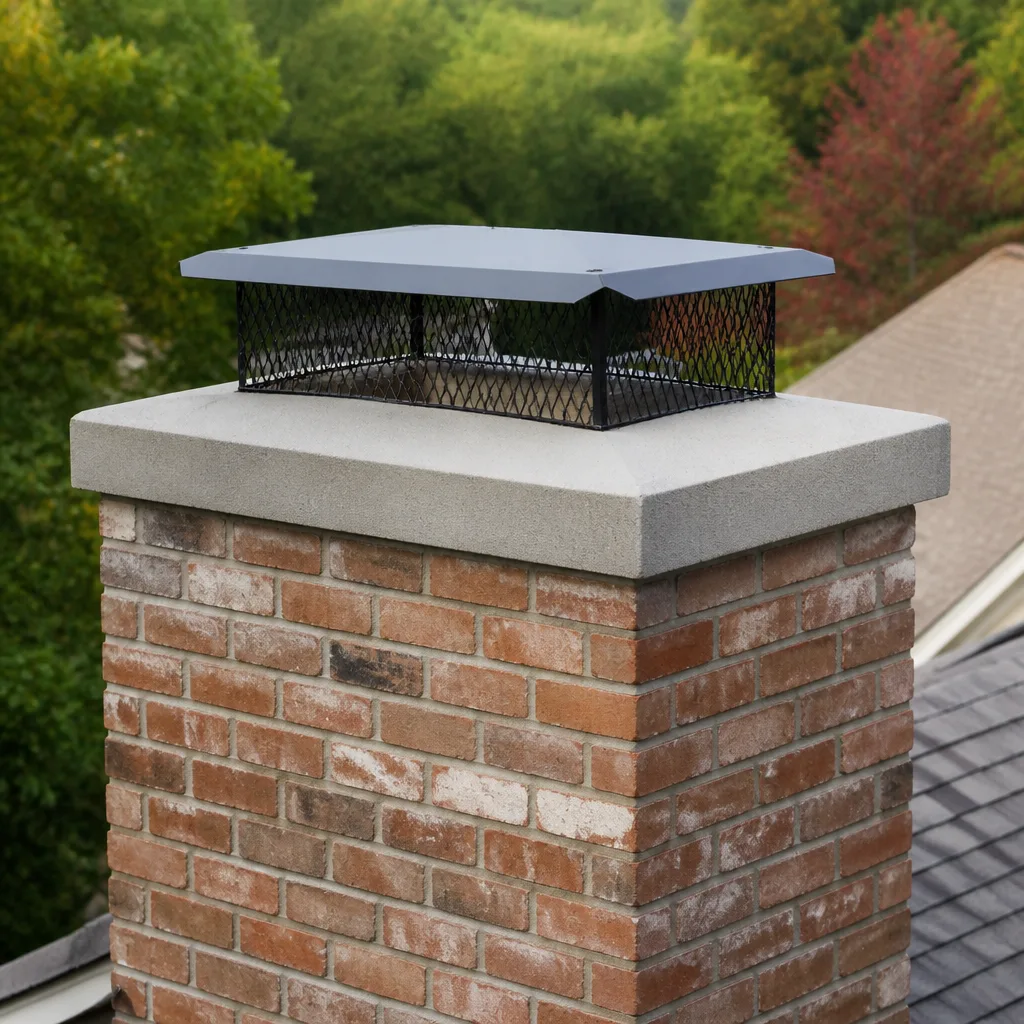 Caps & crowns
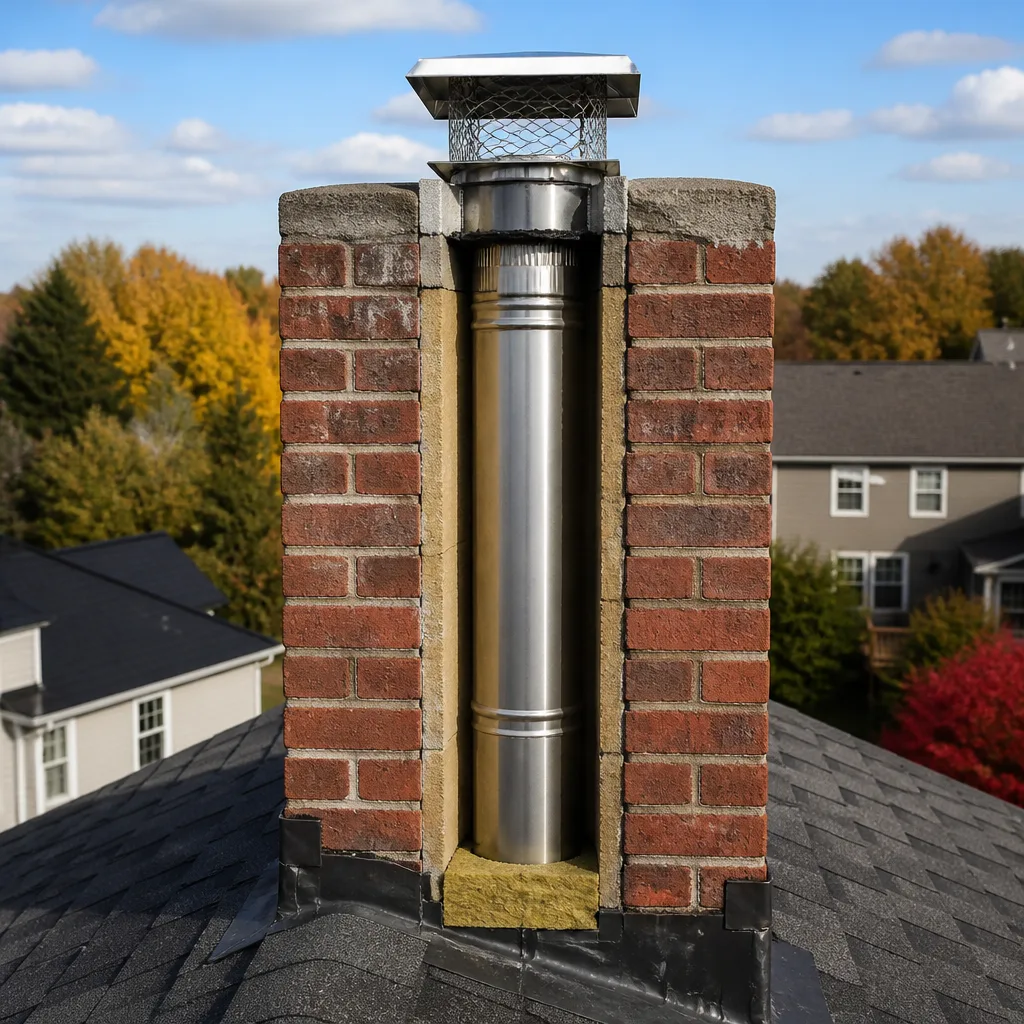 Flue relining
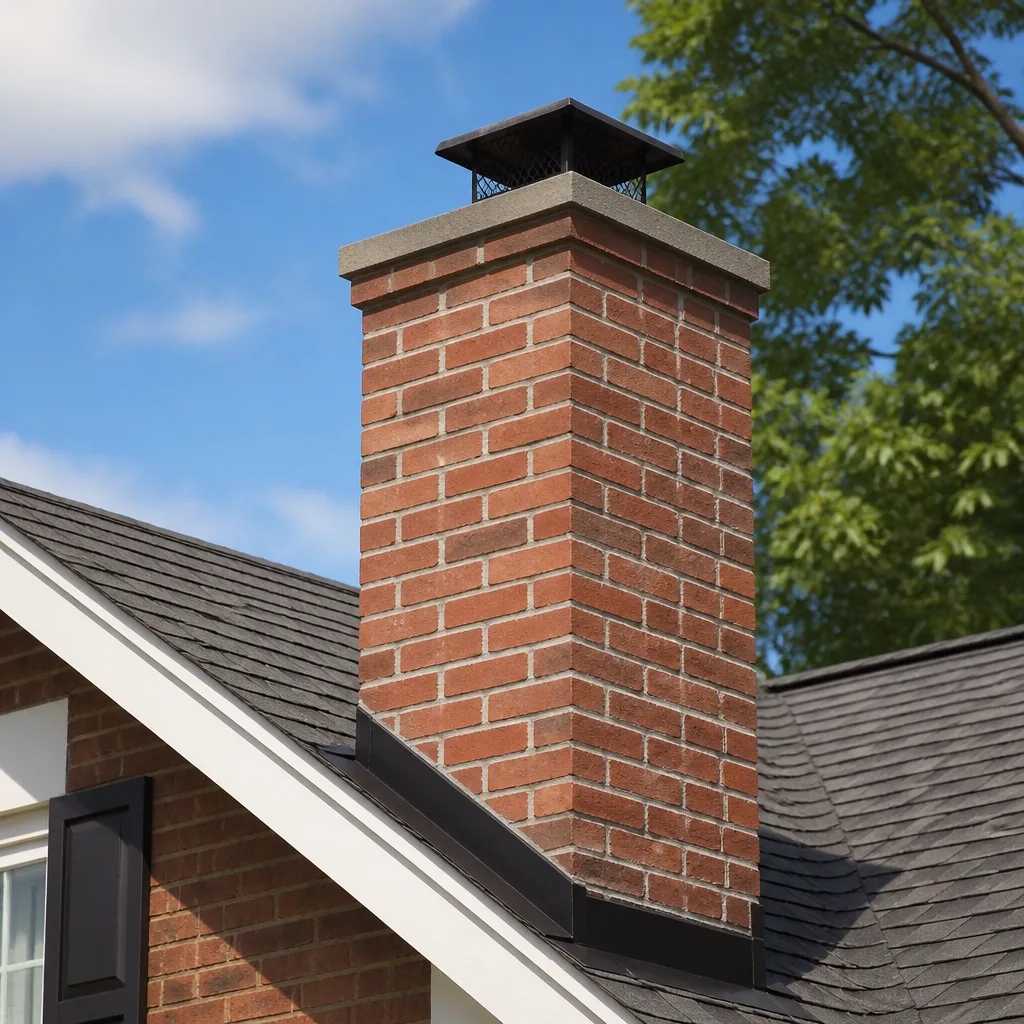 Masonry repair
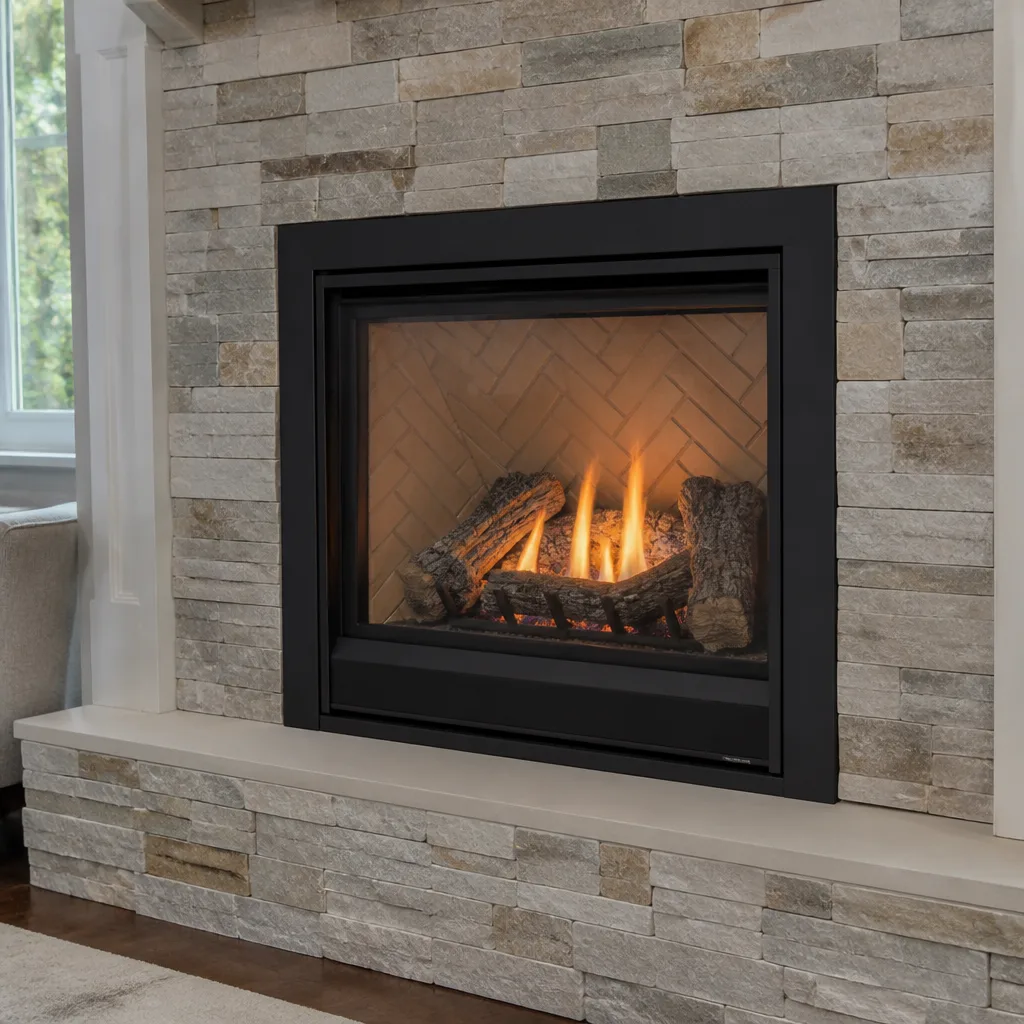 Gas fireplace service
Level 1 sweep and inspection to the NFPA 211 annual standard - flue, crown, cap, and flashing checked and photographed
Chimney sweep logs do not sweep chimneys. They loosen some creosote - which then falls where a brush and vacuum still have to collect it.
Seasonal Chimney Cleaning Care for Holmesburg: Year-Round Homeowner’s Guide
Most chimney advice tells you to book a sweep in the fall and forget about it until next year. That calendar treats a chimney like a car that only needs an oil change, and it misses what actually breaks these systems. In Holmesburg, the freeze-thaw cycle between November and March does more cumulative damage to mortar joints and crowns than fire use ever does. A chimney swept every October but never looked at in April is a chimney that quietly absorbs water all spring, spalls its brick face over the summer, and surprises its owner with structural repair work sooner than it should. This guide walks through the chimney year one season at a time, so you know what to check, what to schedule, and why the timing matters as much as the work itself.
Quick Answer
Chimney care in Holmesburg works best as a four-season routine: inspect and sweep in fall before the first fire, watch for warning signs mid-winter, check for moisture and spalling damage in spring, and schedule structural repairs, liner work and crown rebuilding in summer when cure times are reliable and the work isn’t competing with heating season. A sweep alone handles creosote. Only a seasonal walkthrough of the whole system – cap, crown, liner, firebox and damper – keeps the chimney sound through a Philadelphia winter.
Styles & brands we work with
- Sweep & inspection
- Caps & crowns
- Flue relining
- Masonry repair
- Gas fireplace service
Table of Contents
- Why seasonal care beats a once-a-year sweep
- Fall: the pre-season checklist before your first fire
- Winter: reading the signs while the fireplace is in use
- Spring: post-season inspection for moisture and spalling
- Summer: the best window for structural repairs and liner installs
- How Holmesburg’s tree canopy accelerates debris buildup
- Creosote stages and what each one means for your flue
- The one-page Holmesburg chimney calendar
Why seasonal care beats a once-a-year sweep
A sweep removes creosote. It doesn’t tell you whether the crown has cracked, whether water is soaking into the brick, or whether a mortar joint behind the flashing has started to fail. Those are the problems that cost real money, and they develop on a seasonal clock rather than a fire-use clock. A chimney that sits idle from April through October is still being worked on by the weather every single day.
Holmesburg sits in a climate with a genuine freeze-thaw pattern. Water gets into a hairline crack in the crown or a porous brick face, freezes overnight, expands, and pries the material apart a little more. Then it thaws, drains, and refills. Repeat that cycle across a winter and a small crack becomes a real opening. By the time a homeowner notices a stain on the ceiling or crumbling brick on the roof, the damage has usually been building for more than one season.
That’s why we treat each season as its own phase of care rather than one annual appointment:
- Fall is about readiness. You’re confirming the system is safe before you load it with fuel.
- Winter is about observation. You’re watching for signals that something has changed while the chimney is under load.
- Spring is about diagnosis. You’re checking what winter did to the exterior and the masonry.
- Summer is about repair. You’re doing structural work when weather and scheduling both cooperate.
Each phase has specific tasks, and skipping one tends to shift work into the next. Homeowners who sweep in fall but ignore spring end up paying for masonry repairs they could have prevented. The whole system – cap, crown, liner, firebox – needs to be maintained as a unit, not in isolated pieces. That’s the frame for everything below.
Fall: the pre-season checklist before your first fire
October is a better month than November for a Holmesburg chimney appointment, and the reason is simple logistics. Once the first cold snap lands, every homeowner in the neighborhood remembers their fireplace at the same time. Appointment calendars fill, and the homeowner who calls in late November often finds themselves waiting. Booking in early October means the work is done before you need it, and any issue found during the sweep has time to be addressed before the heating season starts.
Before your first fire of the year, these are the things that should be confirmed:
- Damper function. The damper should open and close smoothly and seal reasonably well when closed. A damper that sticks open lets heated room air escape up the flue all winter and lets cold air down when the fireplace is idle.
- Liner condition. A visual inspection of the flue liner for cracks, gaps, and deteriorated joints. A damaged liner is the single biggest safety concern in a wood-burning system because it’s what keeps combustion gases and heat away from the structure.
- Creosote baseline. A sweep establishes how much creosote has accumulated since the last cleaning and in what form. That baseline tells you how your burning habits affect the flue and whether you should adjust your fuel or draft.
- Cap and crown. The cap keeps water, birds and debris out of the flue. The crown sheds water off the top of the chimney structure. Both should be checked before winter because both are the first line of defense against the freeze-thaw damage described above.
- Firebox and smoke chamber. Cracks in the firebox brick or gaps in the smoke shelf affect how the fireplace draws and how safely it contains heat.
If you only do one thing this fall, book a chimney sweep and ask for a condition report on the rest of the system while the technician is on the roof. A good sweep includes that look; a cheap sweep that only runs a brush and leaves doesn’t tell you what you actually need to know before winter.
Winter: reading the signs while the fireplace is in use
You don’t need to shut the fireplace down mid-winter to check on it. Most of the meaningful signals during heating season are things you can observe from inside the house, and catching them early means a small issue gets handled before it becomes a reason to stop using the system entirely.
Watch for these while the fireplace is in active use:
- Smoke rolling back into the room. A fireplace that drafted fine in October but spills smoke in January usually points to a blocked or partially blocked flue, a damper that isn’t opening fully, or a pressure problem in the house. Stop using it and get it looked at.
- A stronger or different smell than usual. A sharp, acrid creosote smell when the fireplace isn’t burning suggests a buildup that’s off-gassing. A smoky smell that lingers after the fire is out can indicate a draft problem or a liner issue.
- Visible creosote glazing on the flue walls. If you can see the flue from the firebox with a light, glazed or shiny creosote is a warning sign. That’s the stage that needs professional removal, not a homeowner brush.
- Water stains on the chimney breast or ceiling near the flue. Any new staining during winter is a sign that water is getting in somewhere, often at the crown or flashing. It won’t fix itself when spring arrives.
- Crumbling mortar or brick spalling visible from the ground. If you can see pieces of brick or mortar on the roof or in the yard after a cold snap, the freeze-thaw cycle is already working on the masonry.
- Downdrafts and cold air when the fireplace is idle. A cold fireplace that pushes air down the flue can be a sign the cap or damper isn’t doing its job.
Creosote and carbon monoxide are the two real safety concerns in a wood-burning chimney, and they’re both reasons to act on warning signs rather than wait out the season. A wood fire that burns poorly, a flue that’s overdue for a sweep, or a liner that’s been compromised can allow combustion byproducts into the living space rather than up and out. If you notice any of the signs above, stop using the fireplace and schedule an inspection. That isn’t a reason to panic, and it isn’t a reason to avoid the fireplace for the rest of winter either – it’s a reason to get a professional set of eyes on the system.
Spring: post-season inspection for moisture and spalling
Spring is the season most homeowners skip, and it’s the one that pays for itself. By the time the heating season ends, the chimney has been through months of freeze-thaw cycles, snowmelt, and rain. The damage that shows up in late spring and summer has usually already started forming in February and March.
The two priorities for a spring inspection are moisture intrusion and spalling:
- Moisture intrusion. Water is a chimney’s worst long-term enemy. Look for it at the crown, the flashing where the chimney meets the roof, the brick face, and inside the flue. A cracked crown lets water into the masonry structure, where it freezes and expands the following winter. Flashing that’s pulled away from the chimney allows the same thing. A liner that’s been exposed to moisture can degrade, and a water-stained firebox or smoke chamber is a sign that water is getting where it shouldn’t.
- Spalling. Spalling is the flaking, peeling or popping off of the brick face. It happens when moisture gets into the brick and freezes, and the surface layer breaks away. If you see brick faces missing from the chimney above the roofline, that’s spalling, and it means the brick is being damaged by water. Left alone, it progresses down into the structure of the chimney.
A spring inspection should also confirm that the cap is still seated and intact after winter wind, that the crown hasn’t developed new cracks, and that any previous repairs are holding. In our experience, the chimneys that need the most expensive work are the ones where a spring inspection would have caught a small problem before it moved into the masonry. If a spring check turns up spalling brick, a failed crown, or a liner that needs attention, that’s the moment to plan the repair rather than wait for fall.
Catching masonry issues early is what keeps a chimney repair small. A crown crack is a repair. A chimney structure that’s been absorbing water for three years is a rebuild.
Summer: the best window for structural repairs and liner installs
Summer is the correct season to do anything structural on a chimney, and the reasons are practical. Mortar and crown materials need time and appropriate conditions to cure properly. Cold, wet weather during a repair means the new work may not set as intended, and it increases the chance the repair fails before it should. In summer, cure times are reliable and there’s no risk of water getting into fresh masonry before it’s ready. Work like crown rebuilding, liner installation, and full structural repair benefits from that window.
Summer is also when scheduling is easiest. The chimney trade is busiest from September through December, when homeowners book for fall. In June, July and August, technicians have more availability, which means repair projects can be planned and completed without the seasonal crunch.
The structural work that fits best in summer includes:
- Crown rebuilding. The crown is the concrete top of the chimney that sheds water away from the structure. When it cracks, rebuilding it in summer gives the new crown time to cure fully before the first freeze.
- Liner installation and re-lining. A liner project requires careful fitting and, for some materials, a curing window. Summer weather cooperates with both.
- HeatShield resurfacing. When the mortar joints in a clay flue have deteriorated but the flue doesn’t need to be fully replaced, HeatShield’s ceramic resurfacing system restores the flue interior from the inside out. It’s an option worth knowing about because it addresses a specific failure – deteriorating joints – without the demolition of a full liner replacement. It isn’t right for every flue, and we’ll say so when it isn’t.
- Full rebuilds. A chimney that needs substantial structural work is best rebuilt in summer, when weather allows continuous work and the finished masonry has time to set before it has to defend against cold.
- Fireplace repair. Firebox and damper repairs that would interrupt fireplace use are less disruptive when the fireplace isn’t needed.
We specify the right material for the flue, not the one that’s easiest to install. For a flue that needs a new liner, DuraFlex flexible liners handle offsets and appliance conversions that rigid liners can’t, while a rigid liner can be the better choice for a straight flue. The point is to match the material to the flue type, fuel type and budget instead of defaulting to one option.
One thing to be careful about with any summer structural work: pick a specialist, not a handyman. A failed crown or a mis-sized liner is not something you want to discover in January. Brand credentials matter here – specifying an Olympia Chimney cap or using a HeatShield system for a flue resurface is a different standard of work than a general contractor improvising with off-the-shelf parts. If you’re planning a summer project, ask what brands the contractor specifies and why.
How Holmesburg’s tree canopy accelerates debris buildup
Holmesburg’s tree cover is one of the reasons this neighborhood needs a seasonal approach more than an open-lot home would. Mature trees over and around a chimney mean more leaves, twigs, seed pods, and airborne debris landing on the roof and working into the cap and flue. Add a rainstorm or two and the debris that settles on the roof washes against the chimney and into the crown. Anything that gets past a damaged cap ends up in the flue.
Debris in a flue matters because it does two things. It reduces the draft, which means a fireplace draws less well and burns less completely, which increases creosote accumulation. It also raises the risk of a blocked flue during the heating season. A flue that’s partially blocked from the top can’t vent creosote vapor or combustion gases the way it should, and that’s the condition you don’t want to discover in December.
A properly seated chimney cap with a mesh screen is the cheapest way to keep that debris out. We install chimney caps and crowns as a named part of our service for exactly this reason – they protect every other piece of work on the chimney. A cap that’s been knocked loose by wind or a falling branch is not a small thing in a treed neighborhood like Holmesburg. Check the cap after any big storm, and check it in fall before you use the fireplace.
If you want the cap and crown checked as part of your yearly routine, ask for chimney cap & crown inspection along with your sweep. It’s a five-minute look on the roof that extends the life of everything below it.
Creosote stages and what each one means for your flue
Creosote is the residue left behind by wood smoke, and it accumulates in the flue in three general stages. Knowing the stage matters because it tells you how urgent a sweep is and whether a standard cleaning is enough.
- First-degree creosote is a light, sooty, flaky deposit that a brush removes easily. This is what a chimney looks like after a normal burning season for a homeowner who burns seasoned wood and doesn’t starve the fire of air. Regular sweeping keeps it in check.
- Second-degree creosote is a denser, harder deposit – often black and crusty – that the brush can’t fully remove. It’s a sign of incomplete combustion or repeated burning of wet or green wood. Second-degree creosote usually needs chemical treatment to loosen before it can be swept.
- Third-degree creosote is glazed, shiny and hard, and it’s the stage that’s most associated with chimney fire risk. A standard brush can’t remove it; it requires professional removal with the right tools. If you can see glazing on the flue walls from the firebox, stop using the fireplace and get a professional assessment.
The best defense against creosote is the burning itself: burn seasoned, dry wood, keep the fire drawing properly, and know that a slow, smoldering fire produces far more creosote than a hot, active one. Fall sweeping catches what a season of burning left behind. Spring checking catches what winter did to the mortar and brick. Together, they’re the two halves of a safe system.
The one-page Holmesburg chimney calendar
Here’s the full year in one place, written as a Holmesburg homeowner would use it:
- October: Book the fall sweep. Ask for a condition report on the liner, cap, crown and damper. Confirm the cap screen is intact and the crown is free of cracks.
- November through March: Burn seasoned wood, keep the fire burning hot enough to draft cleanly, and watch for smoke rollback, new odors, or staining during heating season. Stop using the fireplace if you notice any of these.
- April: Book a post-season inspection. Check for water intrusion at the crown, flashing and brick face. Look for spalling above the roofline.
- May: If the spring inspection turned up a crown crack, spalling, or a liner issue, plan the repair now. Get a written estimate with a scope that specifies the materials.
- June through August: Complete structural repairs, liner installs, HeatShield resurfacing, and crown rebuilding while the weather cooperates and cure times are reliable.
- September: Final pre-season check. Confirm the cap is seated, the damper works, and the firebox is intact before load returns to the system.
That’s the whole year. Notice that it never asks more of you than four appointments, and the biggest one – the structural repair – is the one you can move into summer for the least disruption and best outcome. A chimney maintained on this calendar is a chimney you don’t have to think about between visits, because the seasonal checks catch the problems before they’re expensive.
Common Mistakes to Avoid
- Sweeping in November and calling it fall care. November is late, and by then appointments are backed up. The homeowner who books in October is the one who gets the job done before the first fire.
- Treating spring as optional. The freeze-thaw damage to mortar and crowns in Holmesburg happens between November and March, and spring is the only season that catches it before it spreads into the masonry. Skip spring and you’re paying for a repair in fall.
- Letting a general handyman handle liner or crown work. A liner installation and a crown rebuild depend on the right materials and a proper fit for the flue. A mis-sized DuraFlex or a crown that isn’t sloped correctly costs more to fix than it did to have done properly the first time.
- Ignoring a damaged cap in a treed neighborhood. A cap that’s pulled loose lets leaves, debris and rain into the flue all season, and the cost of a replacement cap is a small fraction of what a blocked flue can turn into.
- Scheduling structural repair in cold weather. Mortar and crown work done in freezing conditions can fail before it cures. Summer is the correct window for anything structural.
- Burning wet wood to stretch a cord. Green or wet wood produces far more creosote per burn and accelerates buildup into second- and third-degree deposits. Seasoned wood is the cheapest form of chimney maintenance.
- Waiting for visible problems before booking a sweep. By the time water stains or spalling show up, the problem has been developing for a while. The seasonal calendar is designed to catch things before they’re visible from inside the house.
See the difference
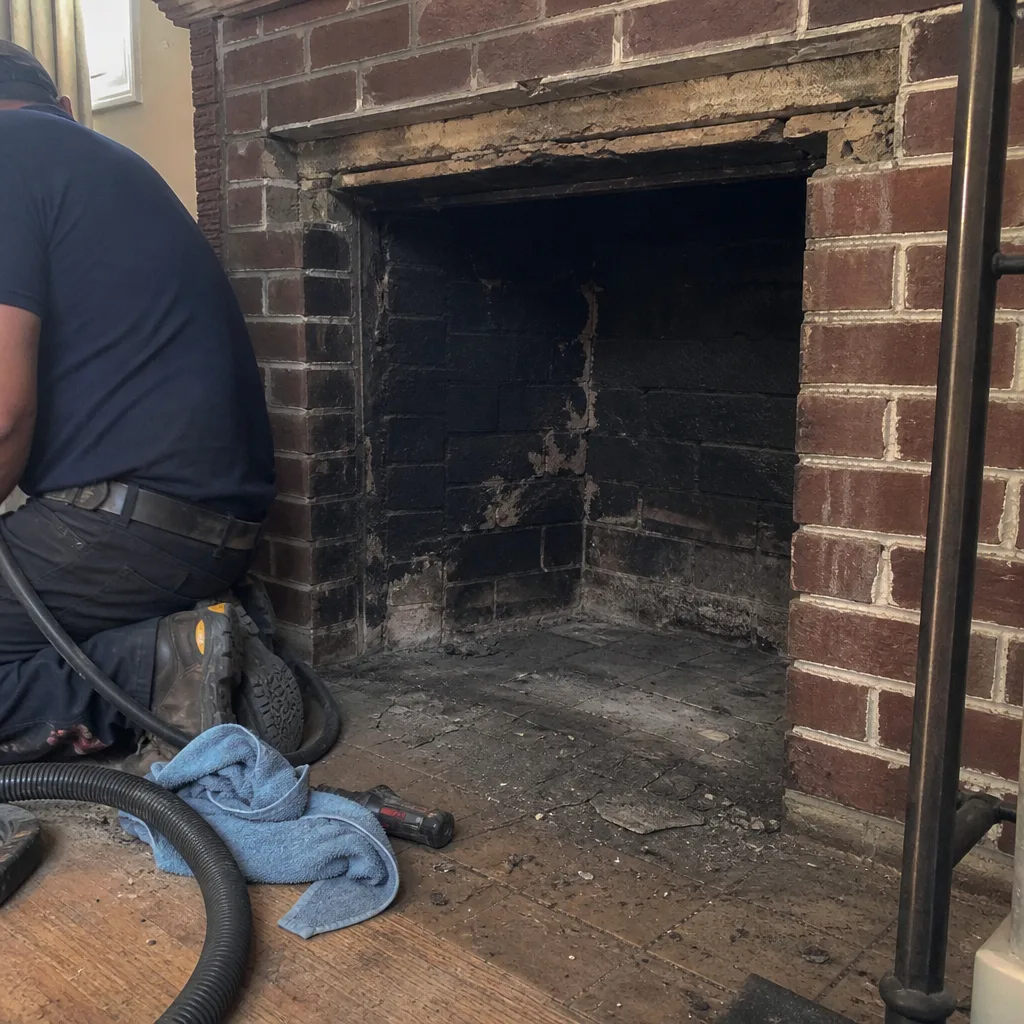 Before
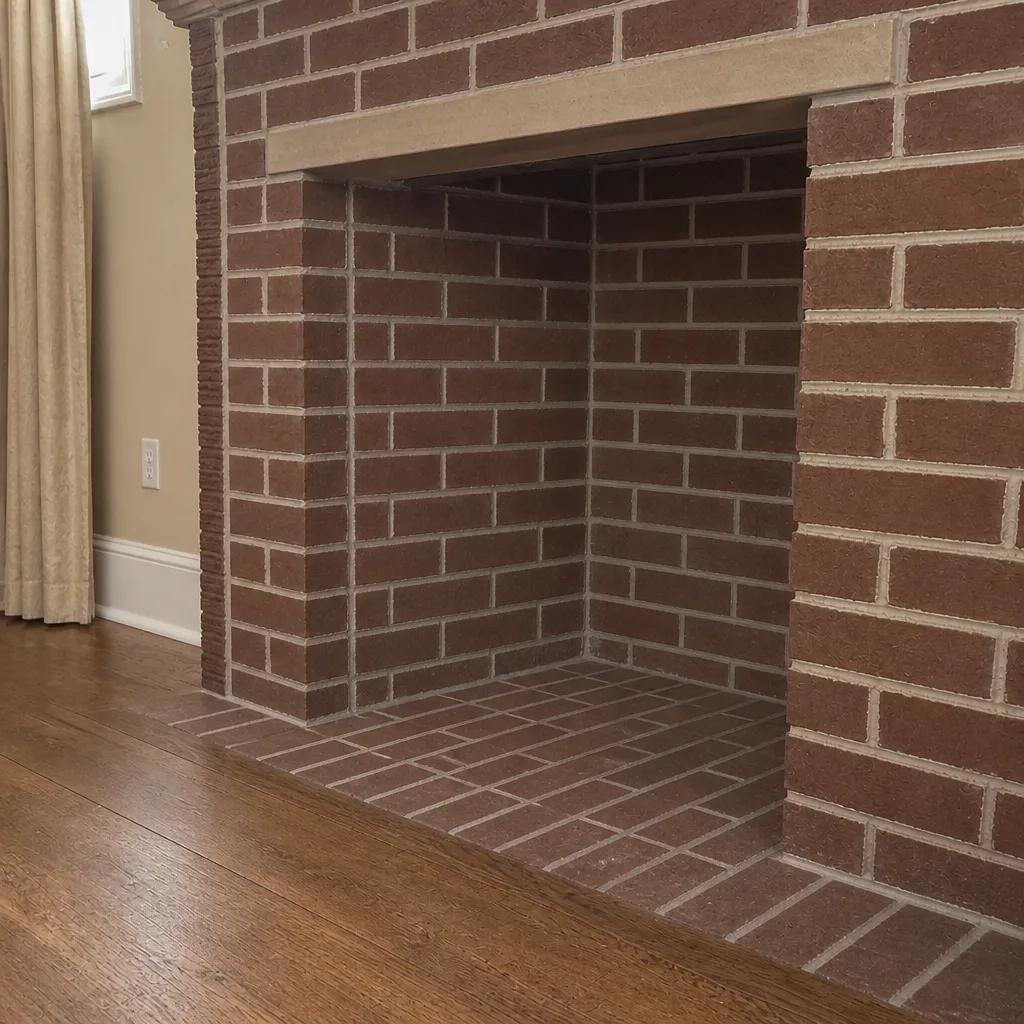 After
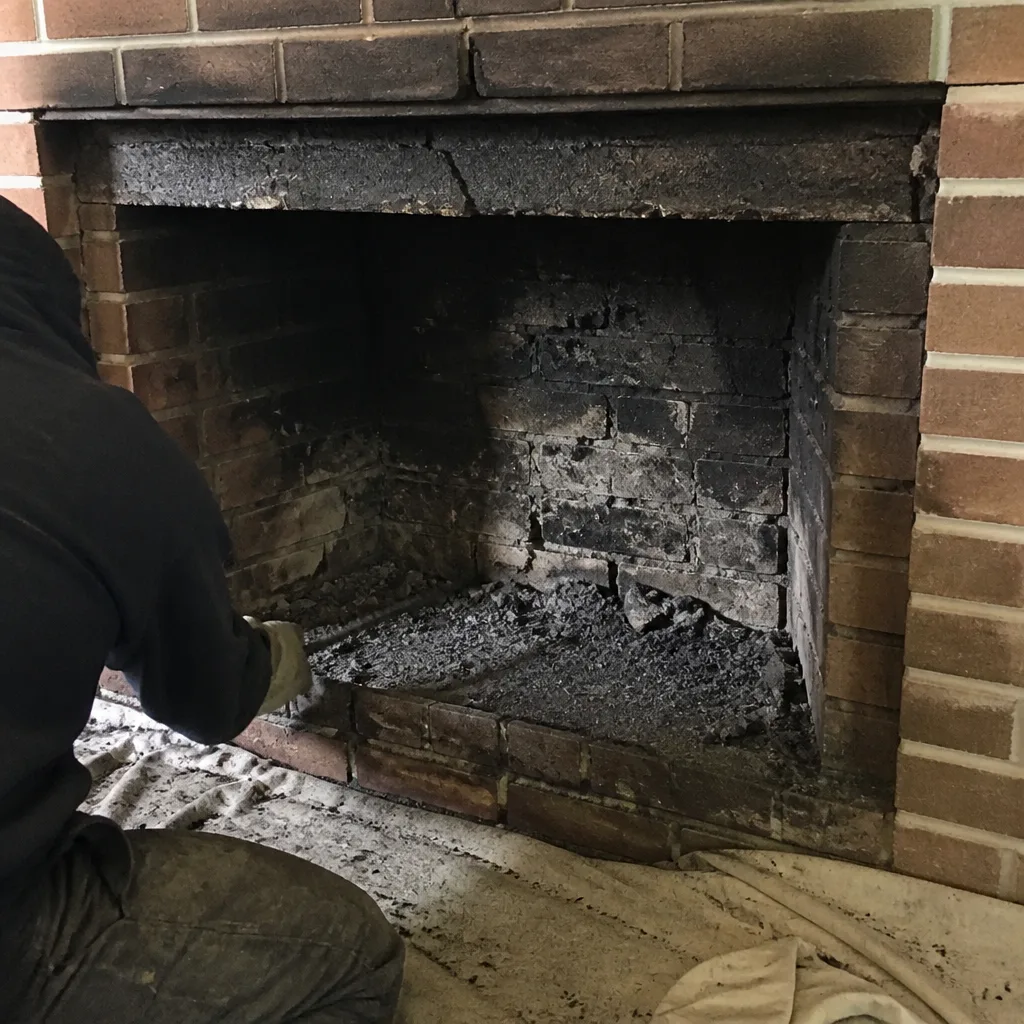 Before
 After
 Before
 After
When to Call a Professional
Call a professional for anything involving the liner, the masonry, or the structure of the chimney, and for any creosote beyond the light flaky stage. That includes a flue that shows glazed creosote, a crown with visible cracks, spalling brick above the roofline, water staining near the flue, smoke rolling back into the room, or a fireplace that hasn’t been inspected in more than a year. A sweep is a professional job, but so is confirming that the sweep is all the chimney needs. If you notice any of the warning signs above, stop using the fireplace and get a set of trained eyes on the system. If the issue is structural, don’t wait for fall – plan the repair for summer and get a written estimate that names the materials. Chimney Sweep Holmesburg offers free estimates in Holmesburg – call (866) 780-1537. We answer 24/7, with fast dispatch from 7am to 7pm, Sunday through Friday.
Frequently Asked Questions
Most wood-burning chimneys should be swept once a year, and if you burn frequently through the winter, once a year is a minimum rather than a target. In Holmesburg, the combination of tree debris and a real freeze-thaw winter means an annual fall sweep catches the season’s creosote while the spring inspection catches what the weather did to the structure. A homeowner who burns a lot of wood may need more frequent sweeps than one who lights the fireplace a few times a month. Call (866) 780-1537 for an exact quote on a sweep – estimates are free.
October is better than November because the trade is far less crowded before the first cold snap, when most homeowners suddenly remember their fireplaces. Booking in October means the inspection and the sweep are done before you need the fireplace, and it leaves time to address anything found during the inspection before the heating season starts. In Holmesburg, where the first genuinely cold nights tend to arrive well into the fall, an October appointment gets the work done without scrambling. Call (866) 780-1537 to book an inspection before the fall calendar fills.
Spalling is the flaking or popping off of a brick’s face, and it’s caused by moisture getting into the brick and freezing. Holmesburg gets enough freeze-thaw cycling through the winter that a small crack or porous brick face can spall after just a few seasons. Once the brick face is gone, the brick is more vulnerable to further moisture and the damage moves deeper into the structure. A spring inspection catches spalling while it’s still repairable. Call (866) 780-1537 to schedule a spring check.
Structural repairs like crown rebuilding and liner replacement are much better done in summer, when mortar and crown materials can cure properly and the work isn’t competing with heating season. Winter work on masonry is possible in some conditions but it carries real risk that fresh material won’t cure correctly in cold temperatures. If you know a structural repair is needed, plan it for spring or summer rather than squeezing it into winter. Call (866) 780-1537 for a free estimate to plan the work.
A chimney cap keeps water, birds, and debris out of the flue while still letting smoke and gases escape. In a treed neighborhood like Holmesburg, the cap also keeps leaves and twigs out of a flue that would otherwise collect them all year. A cap that’s been knocked loose or damaged allows water into the chimney and debris into the flue, which reduces draft and raises creosote accumulation. Having the cap checked at the same time as the sweep is one of the cheapest protective steps available. Call (866) 780-1537 to have a cap inspected or replaced.
Resurfacing is a real option when the problem is deteriorated mortar joints in a clay flue that is otherwise structurally sound. HeatShield’s ceramic resurfacing system is designed to restore that interior surface without a full demolition, which makes it a lower-cost alternative to a complete liner replacement in the right conditions. It isn’t the right answer for every flue, and a proper inspection is what determines which option fits. A specialist can explain what’s actually wrong and what your options are. Call (866) 780-1537 for a free estimate.
The Bottom Line
Seasonal chimney care in Holmesburg comes down to four appointments a year, each with a specific purpose. Fall gets the system ready before the first fire with a sweep and a condition report. Winter is about watching for warning signs while the fireplace is in use. Spring checks for the moisture and spalling damage that winter’s freeze-thaw cycles cause. Summer handles the structural work – crowns, liners, resurfacing, rebuilds – while the weather allows proper cure times. The system is a whole: cap, crown, liner, firebox and damper. Maintained on this calendar, a chimney stays safe and the repairs stay small. Skip the spring check, and the repair waits until fall with interest. Call (866) 780-1537 to schedule a free estimate and get the seasonal routine started.
Written by the team at Chimney Sweep Holmesburg.