
Last updated November 22, 2026
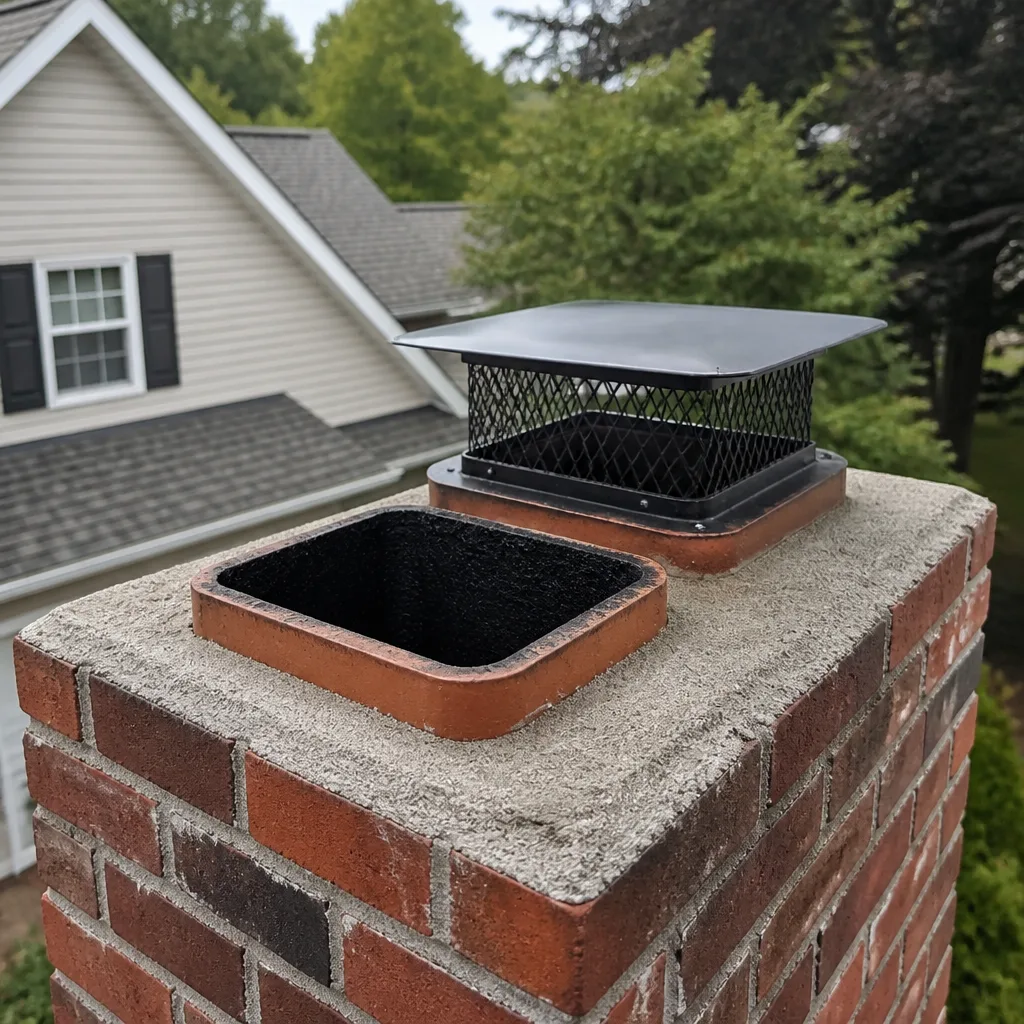 Sweep & inspection
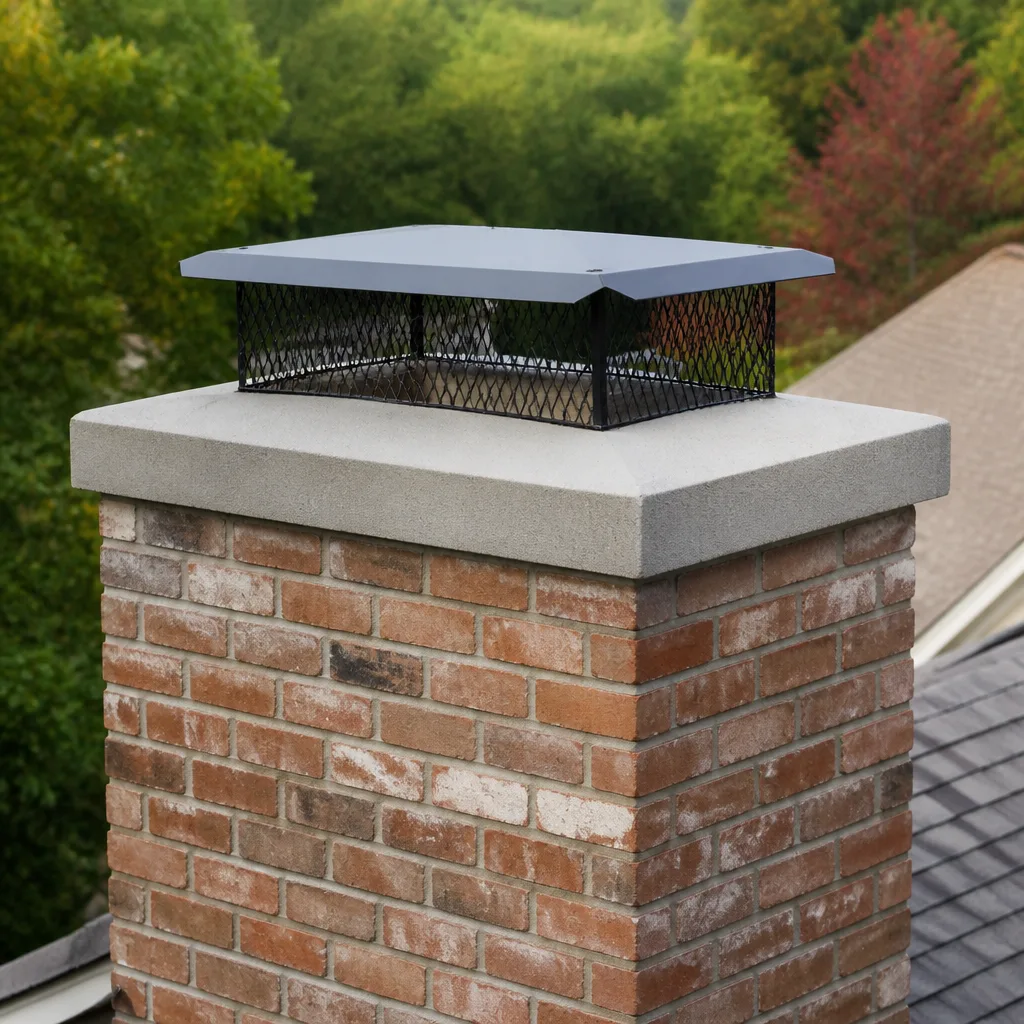 Caps & crowns
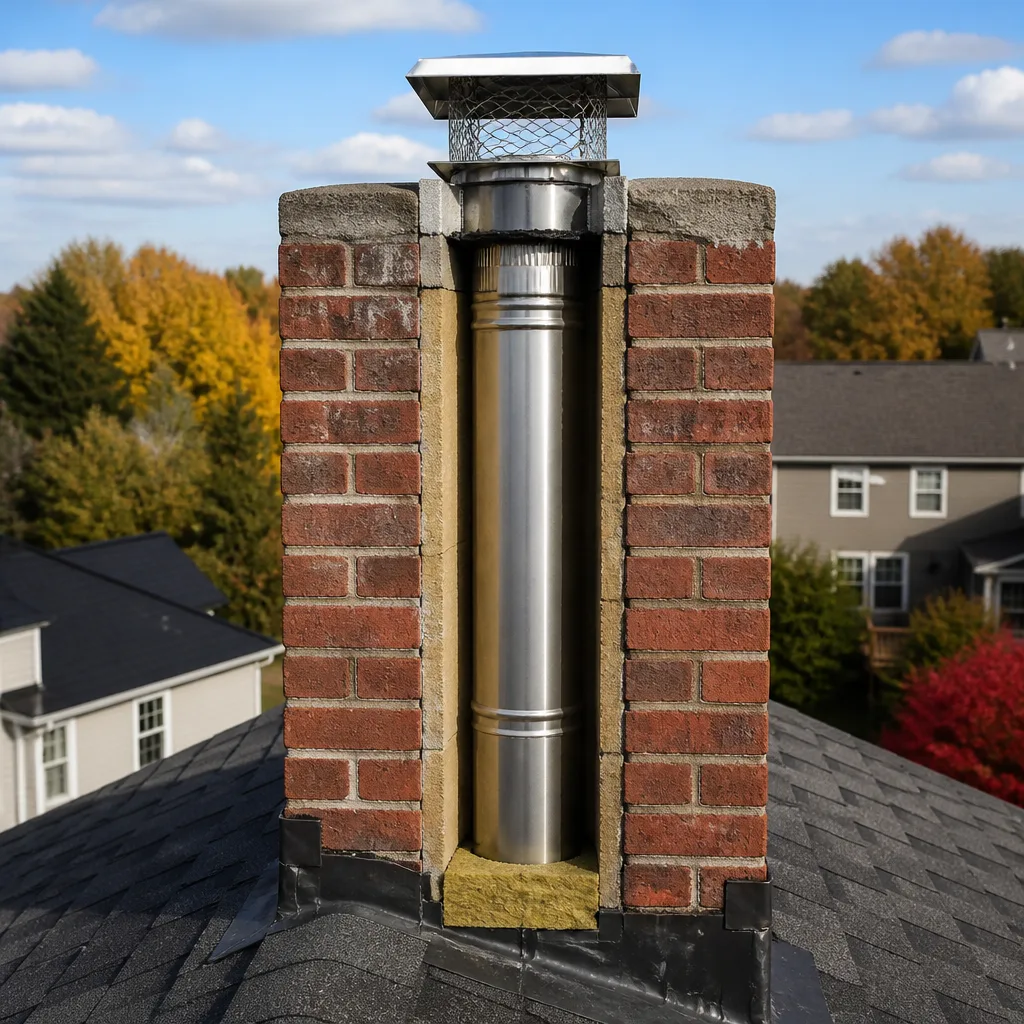 Flue relining
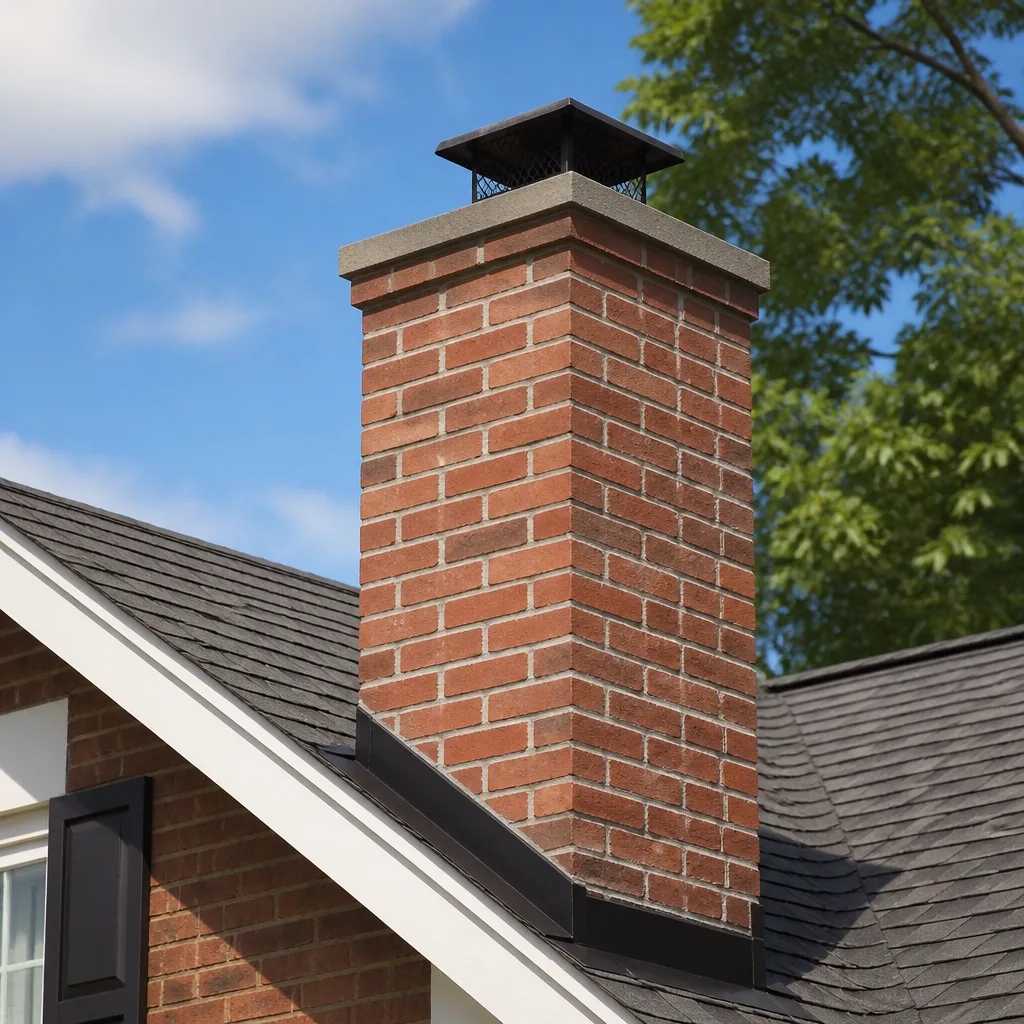 Masonry repair
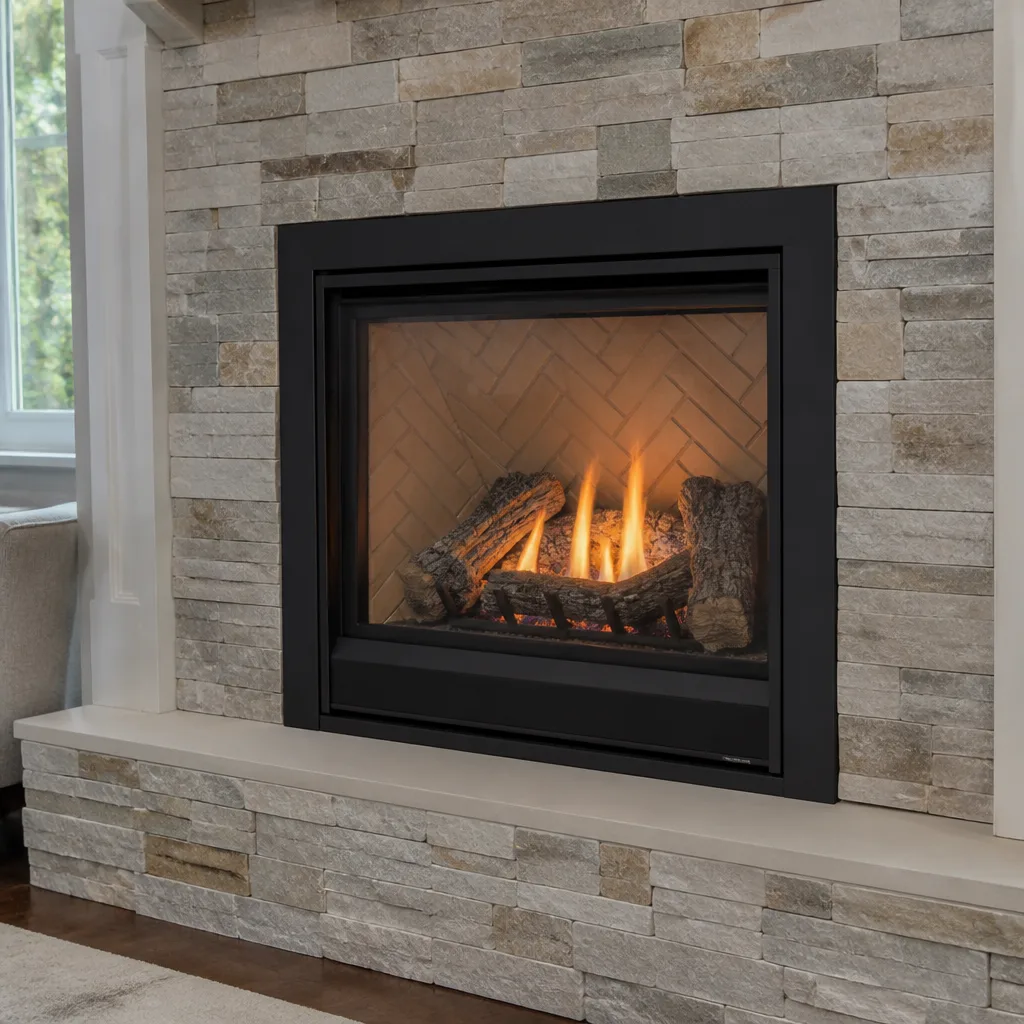 Gas fireplace service
Level 1 sweep and inspection to the NFPA 211 annual standard - flue, crown, cap, and flashing checked and photographed
Chimney sweep logs do not sweep chimneys. They loosen some creosote - which then falls where a brush and vacuum still have to collect it.
Chimney Sweep Maintenance Checklist for Holmesburg Homeowners
Most chimney checklists tell you to “check for obstructions,” which is about as useful as telling you to “check if your car runs.” It sounds responsible and tells you nothing. The truth is that a chimney is a system with four distinct zones – cap and crown at the top, flue and liner through the middle, damper at the throat, firebox and hearth at the base – and each zone fails differently, at its own pace, with its own warning signs. What you actually need is a way to tell which findings are yours to handle and which require a specialist before you light the next fire. This checklist is built around that distinction. We’ll walk Holmesburg homeowners through every checkpoint, what each defect signals, which tasks are owner-observable and which are specialist-required, and how to log findings year over year so you spot progressive deterioration before it becomes structural.
Quick Answer
An annual chimney maintenance checklist for a Holmesburg home covers four zones: the cap and crown (look for cracks, rust, loose flashing), the flue and liner (check for creosote buildup, tile gaps, or a missing liner), the damper and firebox (test operation and look for cracked brick or crumbling mortar), and the smoke chamber above the damper. Most visual checks are owner-observable, but anything involving the flue interior, liner integrity, or a suspected blockage requires a specialist with a camera before the next fire is lit.
Styles & brands we work with
- Sweep & inspection
- Caps & crowns
- Flue relining
- Masonry repair
- Gas fireplace service
Table of Contents
- The Four Zones of a Chimney System
- Owner-Observable Checkpoints: What You Can Inspect Yourself
- Specialist-Required Checkpoints: What Needs a Trained Eye
- Different Liners, Different Checkpoints
- What Each Defect Signal Actually Means
- Logging Findings Year Over Year
- The “Do Not Use Fireplace” Trigger List
- Common Mistakes to Avoid
The Four Zones of a Chimney System
Understanding the four zones is the foundation of every maintenance decision because each zone has its own failure mode. Holmesburg has a housing stock with a long history, and much of the older construction here still runs on the same steep-roof, brick-and-mortar chimney architecture. Each zone ages at a different rate, and knowing which one you’re looking at tells you what to check first.
- Cap and crown (top): Your first line of defense against water. The crown is the sloped concrete or mortar cap at the top of the stack, and the cap is the metal or mesh cover over the flue opening. Water is the single biggest cause of chimney deterioration, and this zone controls it.
- Flue and liner (middle): The interior pathway that carries smoke and gases up and out. Lined flues – typically clay tile, sometimes stainless – are the standard. An unlined flue is a liability, and it’s the checkpoint you cannot assess without a camera.
- Damper and smoke chamber (throat): The damper is the metal door at the throat that opens and closes the flue. The smoke chamber is the tapered transition above it. Both can accumulate creosote and both can corrode or distort.
- Firebox and hearth (base): The fire chamber itself, its brick or refractory panels, and the hearth that projects into the room. This zone takes direct heat and is where cracked brick, crumbling mortar, or a shifting hearth show up as visible defects.
Each zone is a checkpoint in its own right, and no single zone tells you the whole story. A perfect crown on a home with a compromised liner is still a system that shouldn’t burn. That’s why we sweep and inspect the full system, not just the flue, on every Holmesburg visit – the cap and crown, the flue, the firebox, and the damper all get looked at as parts of one machine.
Owner-Observable Checkpoints: What You Can Inspect Yourself
Some checkpoints are safely yours to handle, and doing them saves you from calling for problems that don’t exist. Others belong to a specialist. Here’s the owner-observable list, ordered from the easiest to the most involved. None of these involve a ladder or a roof – we’re not recommending you climb onto a Holmesburg roofline. Every checkpoint below is doable from the ground, from inside, or through a door.
- Look up at the crown and cap from the yard. Use binoculars if you can’t get a clear view. You’re looking for visible cracks around the crown, gaps between the flue tile and the crown, rust or missing hardware on a metal cap, or a cap pushed off-angle.
- Check the flashing line at the roof. From inside the attic or from a second-story window if you have one, look at where the chimney meets the roof. The flashing is the metal seal that keeps water out of that junction. Rusted, lifted, or tar-patched flashing is a red flag.
- Test the damper through the firebox. Open the firebox door or screen, reach up, and feel the damper. It should open and close smoothly. A damper that sticks open, hangs at an angle, or won’t fully close needs a specialist.
- Examine the firebox interior. Shine a light and look for cracked brick, crumbling mortar joints between bricks, spalling (flaking) on the surface, or a warped grate. Any of these is worth noting.
- Inspect the hearth for movement. Look for a hearth that has shifted off level, cracked joints, or gaps between the firebox and the surrounding wall. Hearth movement can signal a larger structural issue.
- Do the draft test. Before your first fire of the season, open the damper, hold a lit match or incense stick near the flue opening for a moment, and watch the smoke. It should rise cleanly up the flue, not spill into the room.
- Smell for creosote. A strong, acrid, campfire smell after the firebox is cold is a creosote signal. So is a strong smoke smell right after you open the damper.
Log every finding in a simple notebook or a spreadsheet. A crack in the crown that measures a half-inch this year and one inch next year tells you something a single observation can’t. We’ll get to that log shortly.
Specialist-Required Checkpoints: What Needs a Trained Eye
The specialist-required items are the ones that a trained eye and a camera find – and the ones where a reasonable-looking exterior hides a real problem. This is where an annual chimney sweep with camera inspection earns its keep. Here’s what belongs on the specialist side of the checklist and why.
- Flue interior and creosote level: Creosote glaze, particularly the hard, shiny, highly flammable third-degree type, sits in the flue where nobody can see it from the firebox. A camera inspection reveals buildup level, glaze, and any obstruction that has drifted down.
- Liner condition and gaps: Clay tile liners develop gaps at the joints; stainless liners can show warping or seam failure. Both can be invisible from the firebox. A camera that travels the flue is the only reliable way to know.
- Smoke chamber condition: The tapered shelf above the damper catches creosote and is a common site for deterioration. It requires tool access and a camera to evaluate properly.
- Obstructions (nests, animals, leaves): The most common obstruction is not dramatic – it’s a cap that has stopped doing its job and let debris or animals settle in. A camera reveals what’s actually in the flue.
- Hidden cracks in the firebox and flue: Hairline cracks in firebox walls can be invisible from inside the room and can radiate heat into the surrounding structure. They need to be traced, not just spotted.
- A full sweep itself: The cleaning is a specialist task. A brush and rod set that is not sized to your flue can damage the liner, and the creosote you pull out needs to be contained, not released into the room.
This is why we work from camera evidence and always show a photo report. A specialist checkpoint is only useful if the homeowner can see what the specialist saw. When you call, ask what the report includes before anything is booked – that’s your first sign you’re working with a real chimney specialist and not a generalist with a brush.
Different Liners, Different Checkpoints
The material of your flue changes the checklist, because each liner type fails in a different way. Before your next inspection, it helps to know which type you have – clay tile lined, stainless steel lined, or unlined – because each has its own failure mode to watch for.
Clay tile liner
Clay tile is the standard for older homes and remains common in Holmesburg. The failure mode is at the joints: the mortar that seals the tiles together cracks and erodes over time, opening gaps that let heat escape into the wall cavity and let smoke leak into the house. Checkpoints for a clay tile liner are joint integrity, spalling tile surfaces, and any visible displacement between tiles. A camera inspection is the only way to see joint gaps reliably.
Stainless steel liner
A stainless liner is durable but not indestructible. The failure mode is at the seams and connections – where sections join, where the liner terminates at the top, and where it connects to the appliance. Rust is less common than in cheaper materials, but it can happen around seams or if water gets in through a faulty cap. Checkpoints are seam condition, top termination, and any sign of corrosion around the cap junction. DuraFlex flexible liner systems are the kind of appliance-specific product we specify for re-lines and retrofits, because the right material has to match the flue type and the fuel type – not just fill the hole.
Unlined flue
An unlined flue – brick or stone with no liner at all – is the highest-risk category. The failure mode is that there is no interior barrier between combustion gases and the masonry itself, meaning creosote can soak into the brickwork and heat can reach the surrounding structure without a thermal break. If a Holmesburg home has an unlined flue, it needs a specialist evaluation before any fire is lit. Liner installation is usually the answer, and this is where a service like chimney repair and re-lining come together as one job.
We specify the right material for your flue rather than the easiest one to install. That means matching the liner to the flue, the fuel, and your long-term plan for the fireplace – and being honest when a HeatShield resurfacing option can extend the life of a liner that’s structurally sound but has deteriorating joints.
What Each Defect Signal Actually Means
A crack is not the same as a crack. A hairline crack in the crown is a maintenance reminder; a gap between the flue tile and the crown is a water-intrusion entry point. Here’s how to read the signals at each zone so you know how urgently to act.
Crown and cap signals
- Hairline crack in the crown: Early wear. Re-seal the crown when it’s convenient, and add it to the annual inspection list.
- Gap between the flue tile and the crown: Water can slip between the tile and the crown and soak into the masonry. Fix before winter.
- Rust or missing hardware on the cap: The cap is failing at the joint where water gets in. A failing cap accelerates the failure of everything below it.
- Cap pushed off-angle: Wind, animals, or a storm has moved it. The flue is now exposed to rain, animals, and debris. Book a specialist.
Flashing signals
- Rusted flashing: The seal is compromised. Water is entering the roof junction – this is a roof-and-chimney junction issue, and it’s best addressed by a specialist in chimney flashing before it becomes a roof leak.
- Lifted flashing: Wind or settling has opened a gap. Same urgency as rust.
- Tar-patched flashing: Someone has attempted a quick fix. Tar patches are a sign that water has been a problem but the root cause was never addressed.
Damper signals
- Sticking damper: Creosote, rust, or warping. It still works, but it’s a sign of a buildup that wants a sweep.
- Damper won’t fully close: Energy loss when the fireplace isn’t in use, and heat loss from the home. Worth fixing, not usually urgent.
- Damper hangs at an angle: A mechanical failure. A specialist needs to look at it before you rely on it to control draft.
Firebox signals
- Cracked firebox brick: Heat can escape into the surrounding structure. Book a specialist the same week.
- Crumbling mortar joints: Advancing deterioration. Schedule a repair before the next burning season.
- Spalling surfaces: Flaking on the face of the brick. Cosmetic at first, structural over time.
- Warped grate: Ignore the grate itself, but treat a warped grate as a signal that the firebox has seen intense heat and should be inspected.
Logging Findings Year Over Year
The single most useful thing a Holmesburg homeowner can do between inspections is to keep a simple finding log. A defect observed once is a data point. A defect observed across two years is a trend. A trend observed across three years is your warning to act before it becomes structural. The log doesn’t need to be elaborate; a notebook or a spreadsheet with columns for date, zone, finding, and action works perfectly.
- Set up four columns: Date, Zone (cap, crown, flashing, flue, damper, firebox, hearth), Finding (what you saw in plain language), and Action (nothing needed, monitor, call specialist).
- Photograph from the same angle each time. Take a photo of the crown from the same spot in the yard every inspection, and a photo of the firebox interior from the same side. Comparing same-angle photos year over year is how you spot a widening crack or a spreading spall.
- Measure what you can. A crack that measures an eighth of an inch this year and a quarter-inch next year is a different conversation than a stable crack of the same size.
- Note the weather, not the date. Holmesburg’s climate is a four-season pattern with hot, humid summers and cold winters. Thermal cycling expands and contracts masonry, and noting findings by season helps you see which defects are weather-driven and which are advancing.
- Attach the specialist’s photo report each year. Our sweep reports include camera photos. Filing them alongside your own observations gives you a complete record – your exterior notes and the interior camera evidence, side by side.
- Review the log before each inspection. Handing the specialist your log before they start tells them where to focus their attention. That’s not a shortcut; it’s a collaboration.
This is the point of the checklist that most guides skip. The log is what turns a series of annual checks into a maintenance program you can actually reason about. It’s also how you tell the difference between a homeowner pattern and a professional finding.
The “Do Not Use Fireplace” Trigger List
Some conditions mean the fireplace should not be used until a professional evaluates it. These are not maybes. If you see any item on this list, close the damper, put out the fire, and call a specialist before you light the next one.
- Smoke entering the room when the damper is open. This is a draft failure, and a draft failure can mean a blockage, a crack, or a blocked cap. Do not light a fire to test it.
- A strong creosote smell that doesn’t clear. Creosote buildup is flammable, and a strong smell usually signals an active accumulation.
- A visible crack in the firebox brick wall. Heat can escape into the surrounding structure. This is a structural risk, not a cosmetic one.
- Loose brick or a shifted hearth. Either can indicate that the firebox surround is no longer stable. Do not burn.
- A missing or damaged cap. The flue is open to rain, animals, and debris. An animal nest in the flue is both a draft failure and a fire risk.
- Any known unlined flue. Without a liner, the masonry is the only barrier between fire and structure. Do not burn until a specialist evaluates it.
- A carbon monoxide alarm that sounds when the fireplace is in use. Leave the room, ventilate, and call a specialist before any further use. Carbon monoxide is colorless and odorless, and a sounding alarm is not a false positive to be ignored.
- Visible creosote glaze in the flue. Glaze is the most flammable creosote classification and requires a specialist sweep, not a homeowner cleaning attempt.
This list is about safety, not scare tactics. A fireplace is a wonderful thing when it’s in good working order, and most of the conditions above are common and fixable. The point is to stop burning until you know which condition you have, and to have a specialist verify it before the next fire.
Common Mistakes to Avoid
- Treating “check for obstructions” as a real check. “Obstruction” is a category, not a finding. What you’re actually looking for is a cap that has failed, a flue that has a nest, or creosote that has bridged the flue opening. Name the specific condition and the fix follows.
- Skipping the crown and cap because they’re “just the top.” We see this constantly. The crown and cap are the first line of water defense for the entire system, and a failed cap costs a fraction of what a water-damaged liner costs to replace. Cap and crown work is not an add-on; it’s the top of the checklist.
- Climbing onto a Holmesburg roof to inspect the crown yourself. The rooflines here are steep, and the mental math of “I’ll just take a quick look” almost never works out. Use binoculars from the yard and let a trained specialist handle anything that needs a camera or a ladder.
- Assuming a stainless liner is permanent. DuraFlex and similar systems are durable, but their seams can fail and their top terminations can rust. A stainless liner still needs an annual camera check, not just a glance.
- Burning unseasoned wood. Green wood creates more creosote than seasoned wood. If you’re going to burn, burn dry, and let the flue tell you when it needs a sweep.
- Treating the annual sweep as optional in a year with low use. Low use doesn’t mean little creosote – a couple of fires a week over a season still builds up. The sweep is a check on more than the creosote level; it’s a system check.
- Ignoring a chimney repair because the fireplace still drafts. Draft can survive a long way past the point where a liner or a crown has failed. “It still drafts” is not a bill of health.
- Bringing in a generalist handyman for chimney work. Chimney work is a specialty, and a generalist who doesn’t stock the right materials – or who doesn’t work with industry brands like Olympia Chimney or Famco – can’t do the job properly. The right specialist works from the flue to the cap, not from a general repair list.
- Not keeping a log. Without a record, every year feels like the first year. With a record, you spot progressive deterioration while it’s still cheap to fix.
If you take one thing from the mistake list, take the log and the crown. The log costs nothing, and the crown is the cheapest thing on the checklist to protect.
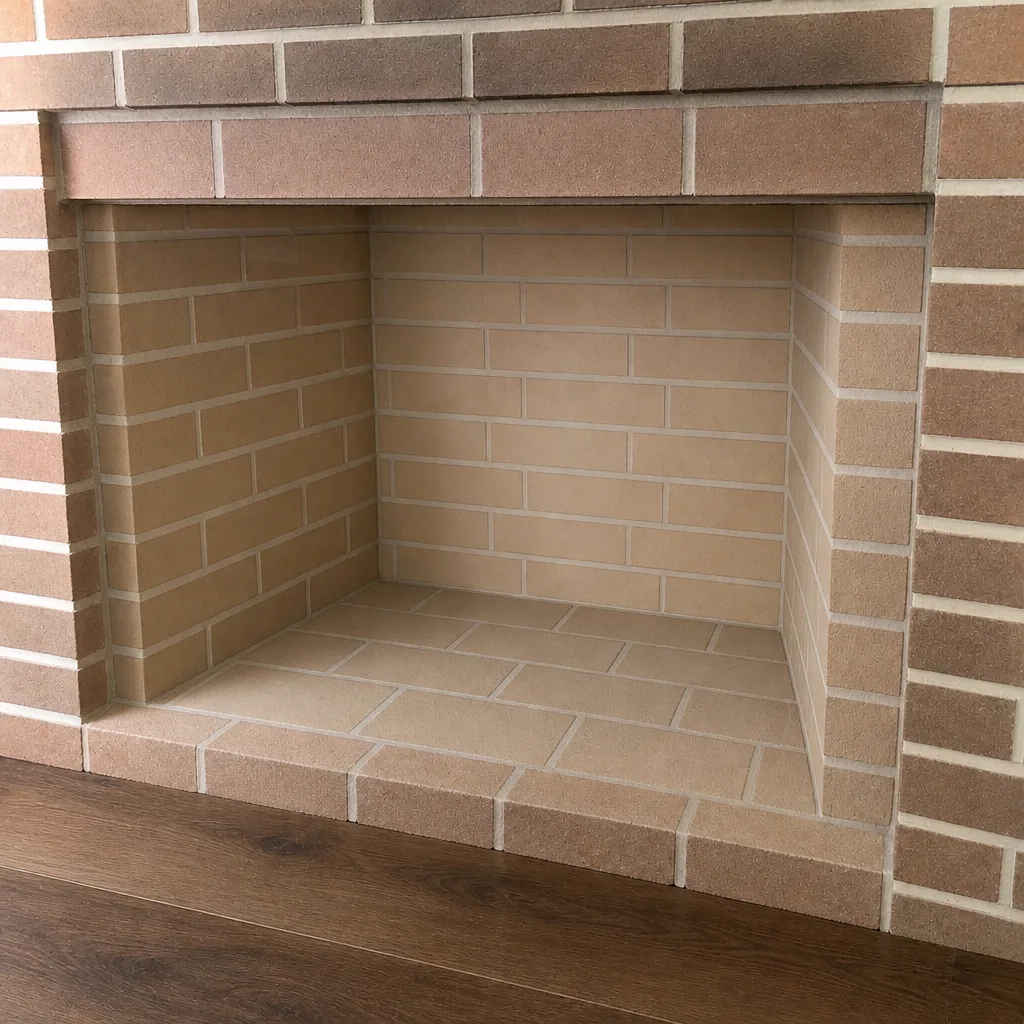
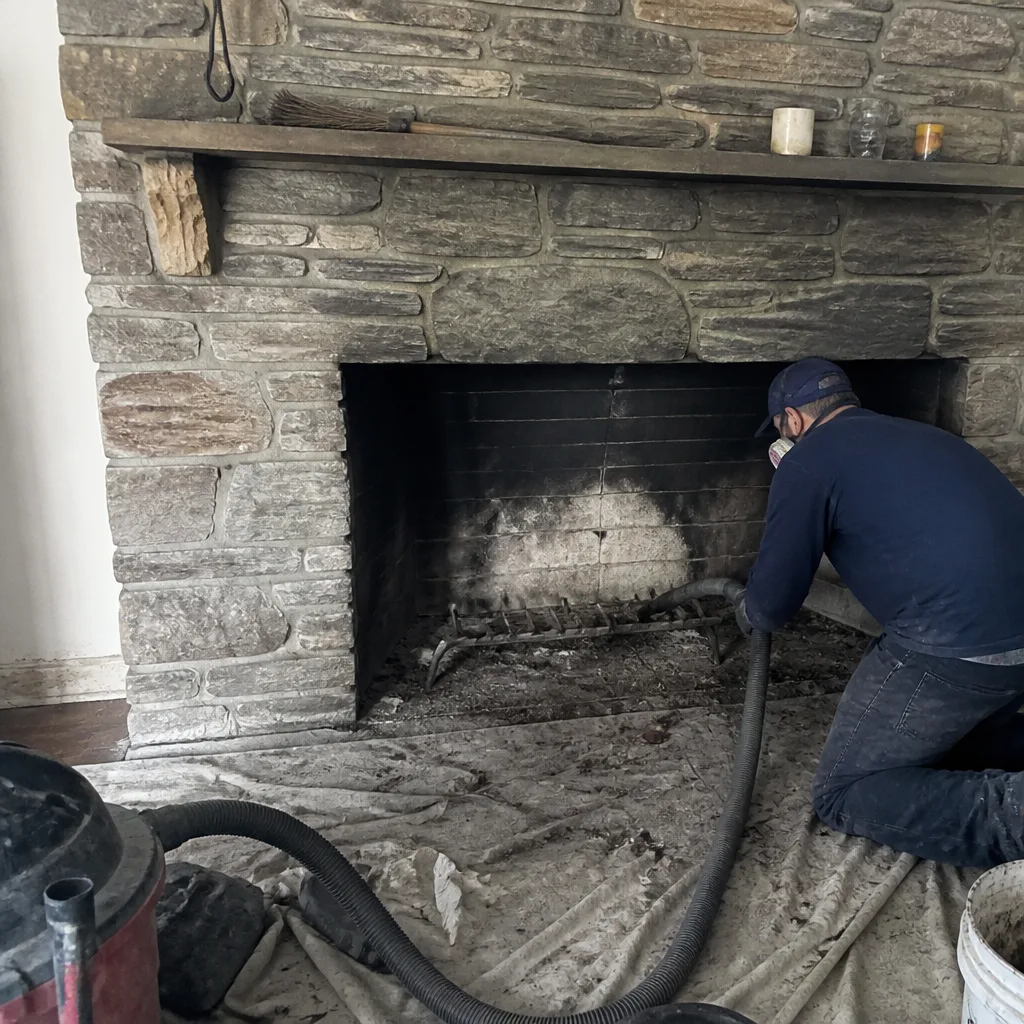
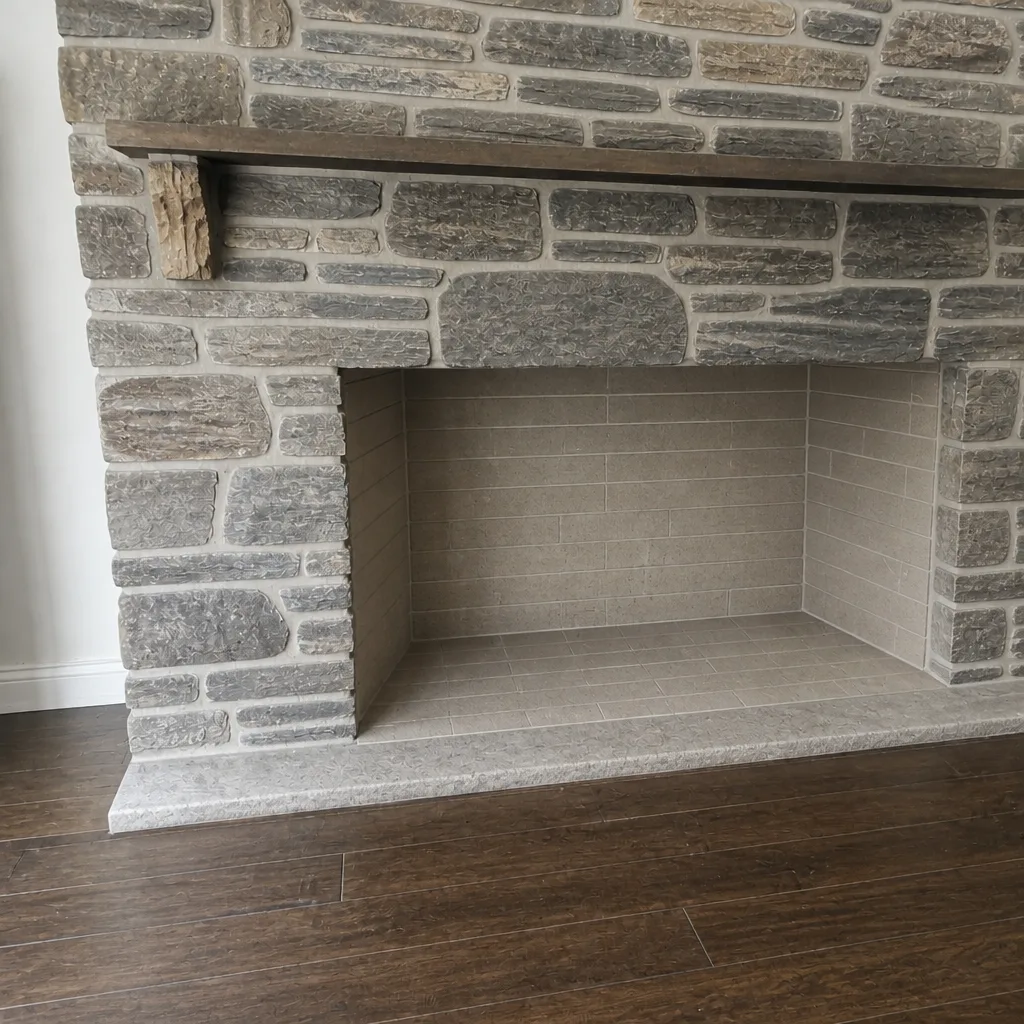
See the difference
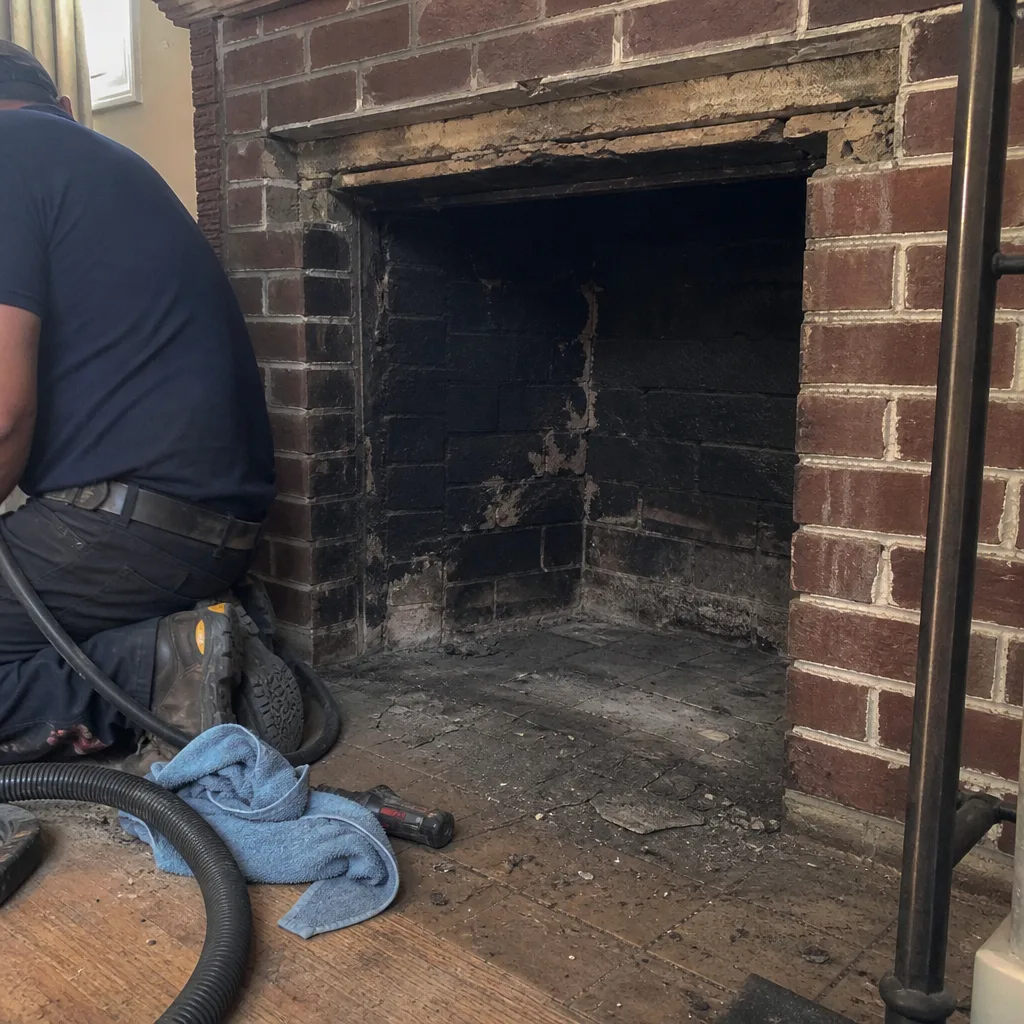 Before
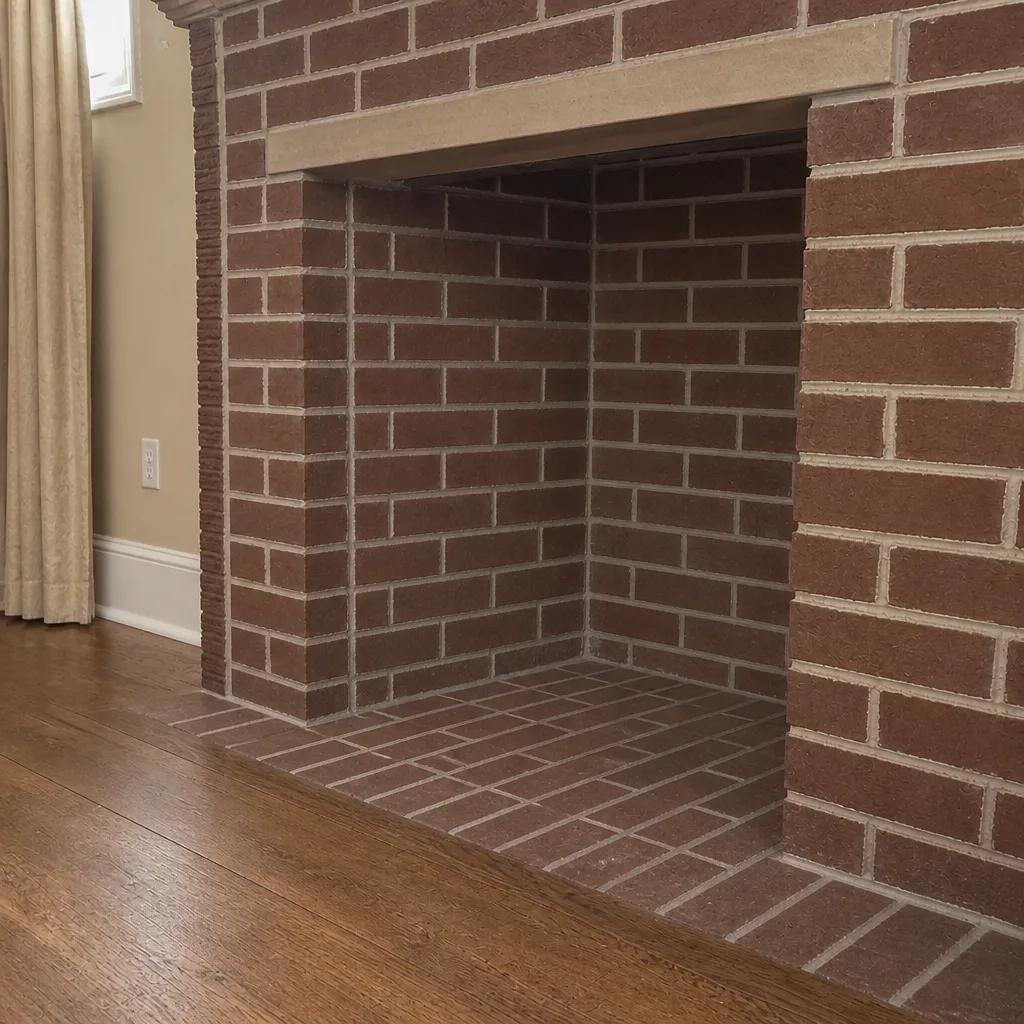 After
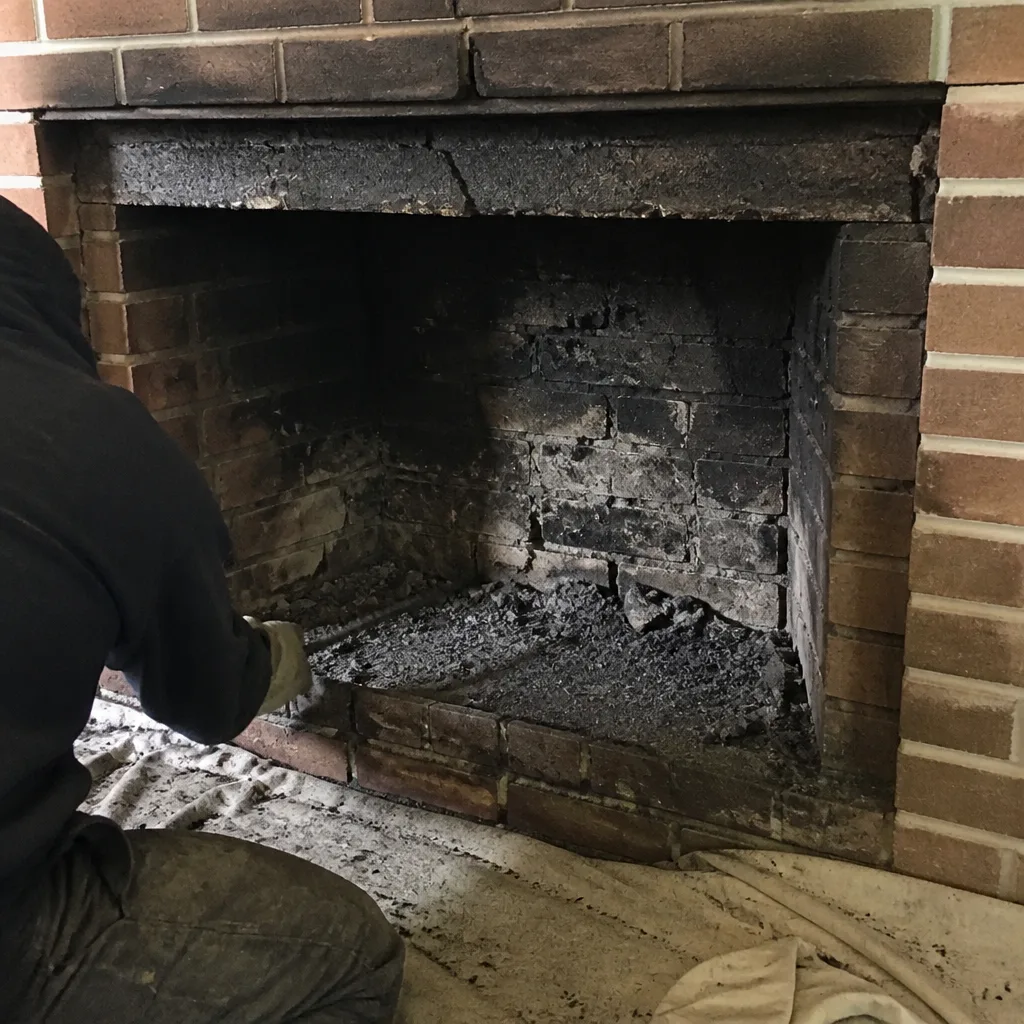 Before
 After
 Before
 After
When to Call a Professional
Some situations warrant a call today, and some are “book it when the season changes.” Here’s the split, in plain language.
- Call today: Any item from the “Do Not Use Fireplace” list. A carbon monoxide alarm that sounds, a firebox with a visible crack in the brick wall, a shifted hearth, or smoke spilling into the room with the damper open.
- Call this week: A cap that’s been pushed off-angle, rusted or lifted flashing, or a damper that won’t close. These are fixable and the fix is far cheaper than the damage a season of water intrusion will cause.
- Book before the next burning season: A soot or creosote smell that doesn’t clear, a fireplace that drafts poorly, or an annual sweep due. A booking a few weeks before the first fire gives you the whole picture.
- Book when convenient: A hairline crack in the crown, a sticky damper, or a log entry that says “monitor.” A repair that can safely wait still wants to be on the calendar.
We answer 24/7 for calls, and we book around dispatch hours that are stated below. Chimney Sweep Holmesburg offers free estimates, and the written estimate sets the final price. If your checklist turned up something you don’t want to guess about, call (866) 780-1537.
Frequently Asked Questions
Once a year for most homes, and more often if you burn heavily or burn unseasoned wood. An annual chimney sweep is the standard cadence because a year is a full cycle of buildup and inspection – it catches creosote before it becomes glaze and it catches structural defects before they become repairs. Call (866) 780-1537 for a free estimate.
No. Low use doesn’t eliminate the need for a sweep. Even a handful of fires leaves creosote, and the sweep is also a structural inspection – the camera check that catches a liner gap or a failing crown. The sweep is about more than the creosote count.
A failed cap and a cracked crown are the most common things we find, because water is the primary enemy of a chimney. Water gets in through a compromised cap or a crown crack, then soaks into the masonry and accelerates every other failure below it. Protecting the top of the system is the highest-value maintenance task on the checklist.
Only if the clay tile joints have deteriorated enough to be a heat or smoke escape path. A sound clay tile flue is fine as-is; a clay tile flue with widened joints or spalling is a candidate for re-lining. The camera tells you which one you have. HeatShield resurfacing can address deteriorating joint mortar without a full liner replacement in many cases, which is worth asking about before you assume demolition.
Sometimes nothing – and sometimes the year is the year a hairline crack widens, a cap comes loose, or a liner joint opens. The danger of skipping is not guaranteed damage; it’s the loss of the early warning that makes the difference between a small repair and a structural one. The log and the yearly camera check are how you keep that warning.
Yes. That’s the point of the checklist and the log. You’ll get a camera report you can see, a written estimate for anything that needs doing, and a plain answer on what can safely wait. Chimney Sweep Holmesburg handles the full service arc – sweep, chimney cap & crown, repair, liner, rebuild, and fireplace repair – as one specialist, so you don’t get handed from one contractor to another.
The Bottom Line
A chimney maintenance checklist is not a list of chores; it’s a decision tree. Owner-observable checkpoints – the crown and cap from the yard, the flashing, the damper, the firebox, the hearth, the draft test, the smell test – tell you what’s fine and what’s changed. Specialist-required checkpoints – the flue interior, liner integrity, smoke chamber, obstructions, the sweep itself – tell you what you can’t see and what needs a professional. Match the checkpoint to the right side of that line, keep the log, and read the “Do Not Use Fireplace” list honestly. Every zone you protect at the top – cap and crown – protects every zone below it. For a free estimate on a sweep or a repair in Holmesburg, call (866) 780-1537. We answer 24/7. Fast dispatch from 7am to 7pm, Sunday through Friday.
Written by the team at Chimney Sweep Holmesburg.