
Last updated November 22, 2026
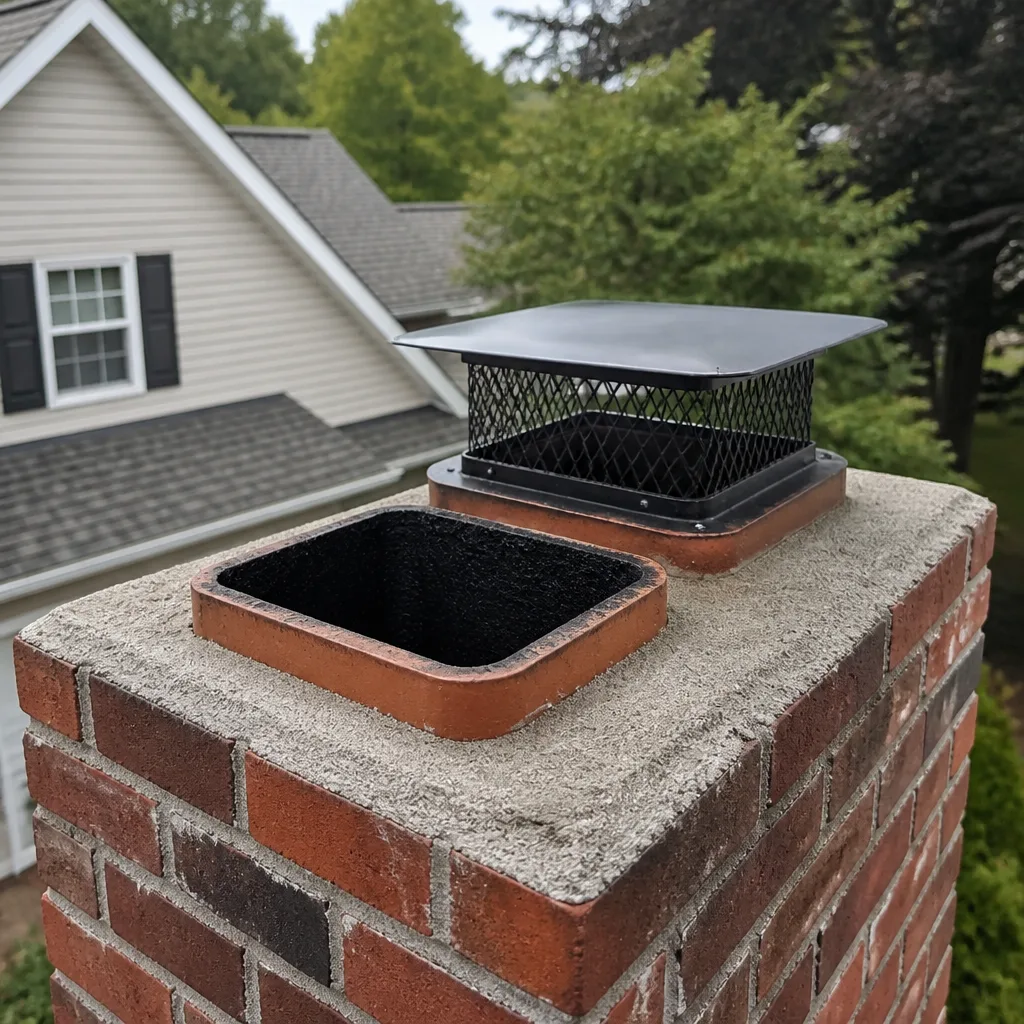 Sweep & inspection
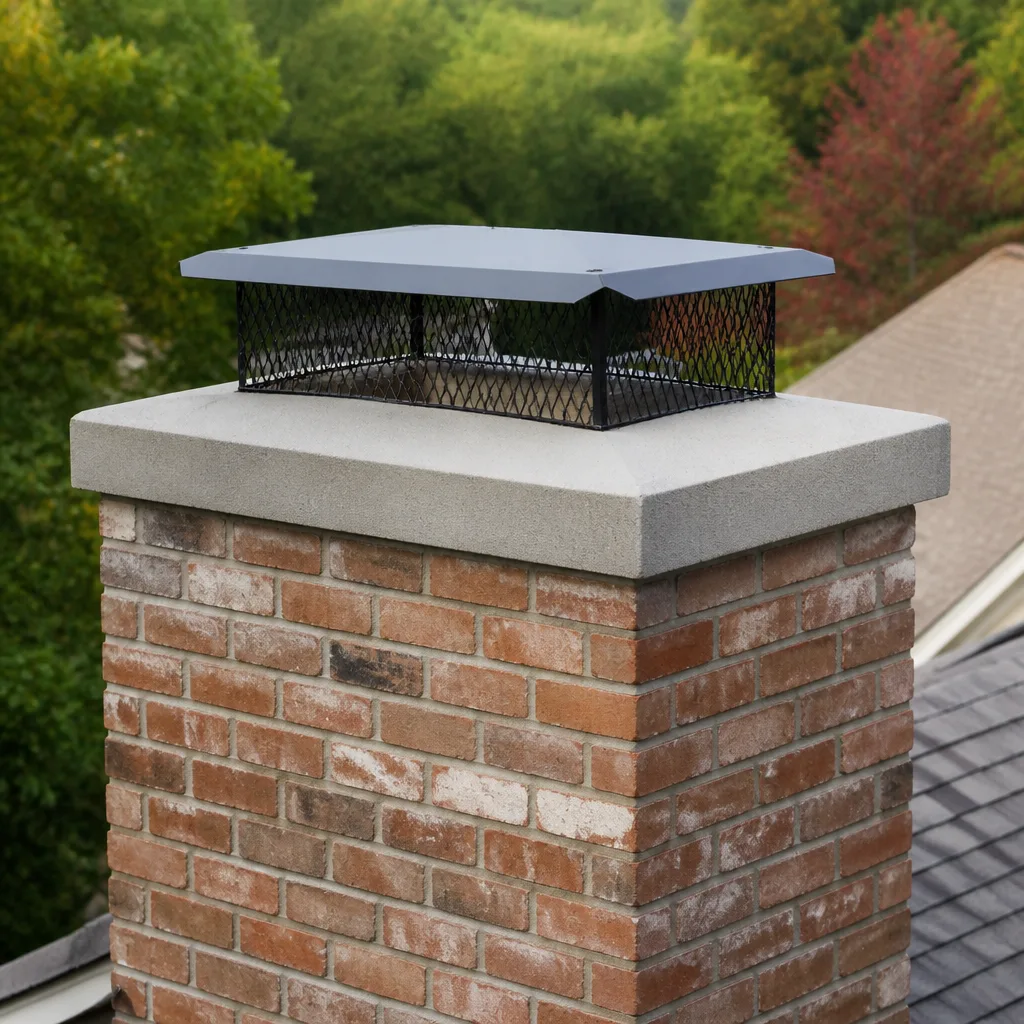 Caps & crowns
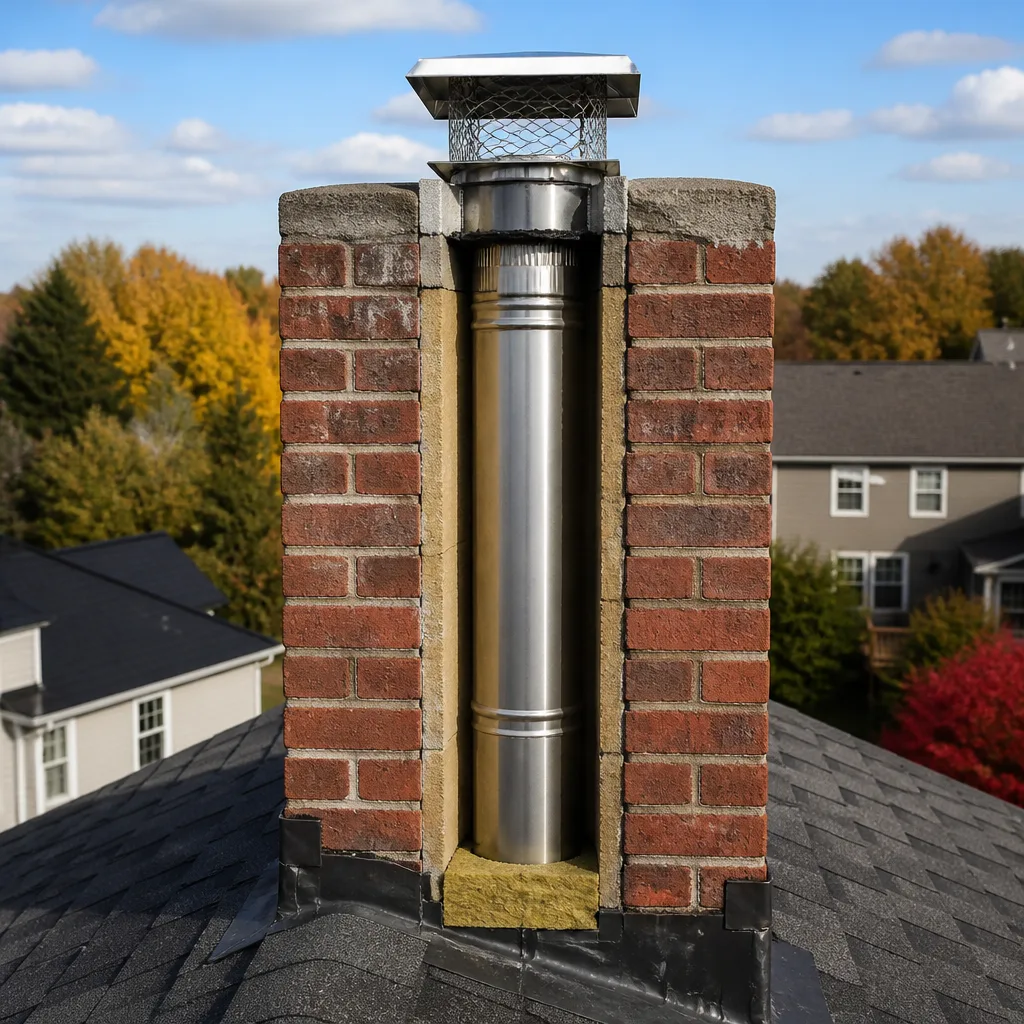 Flue relining
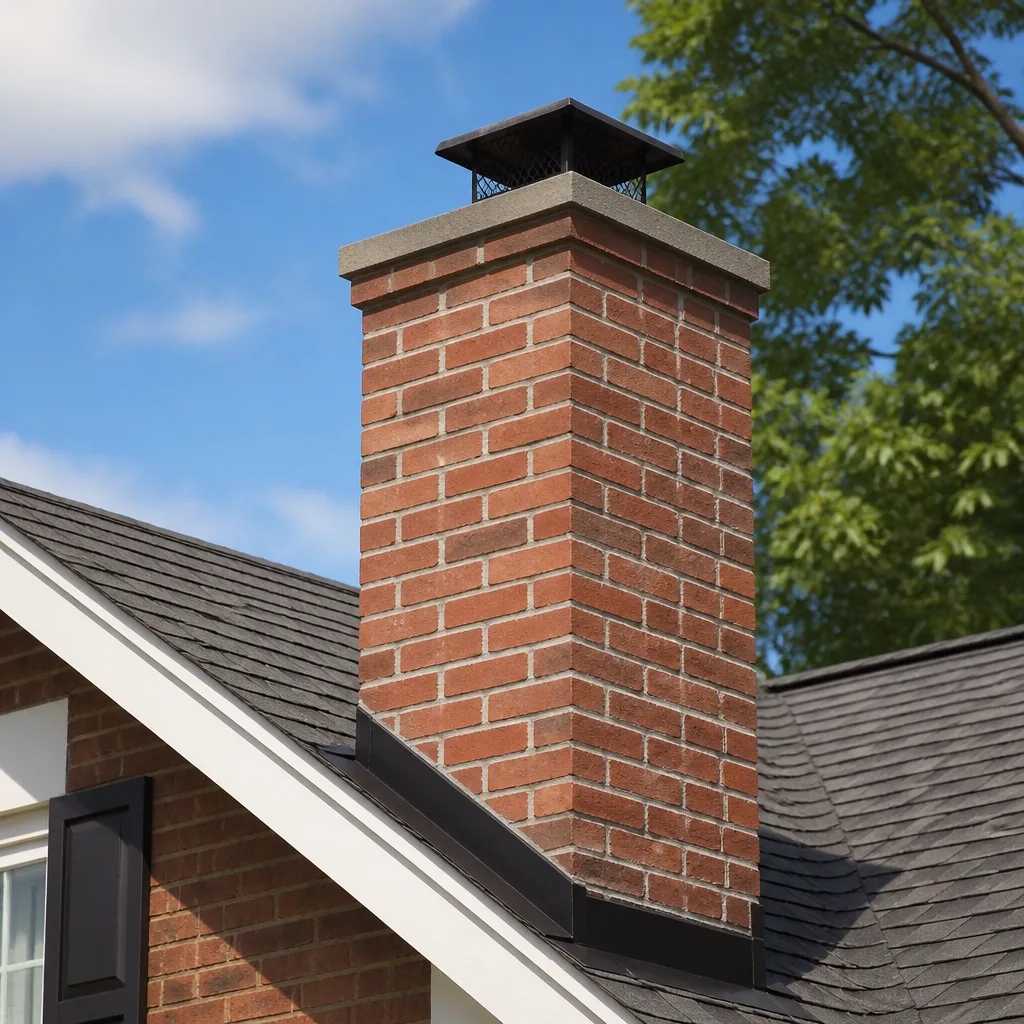 Masonry repair
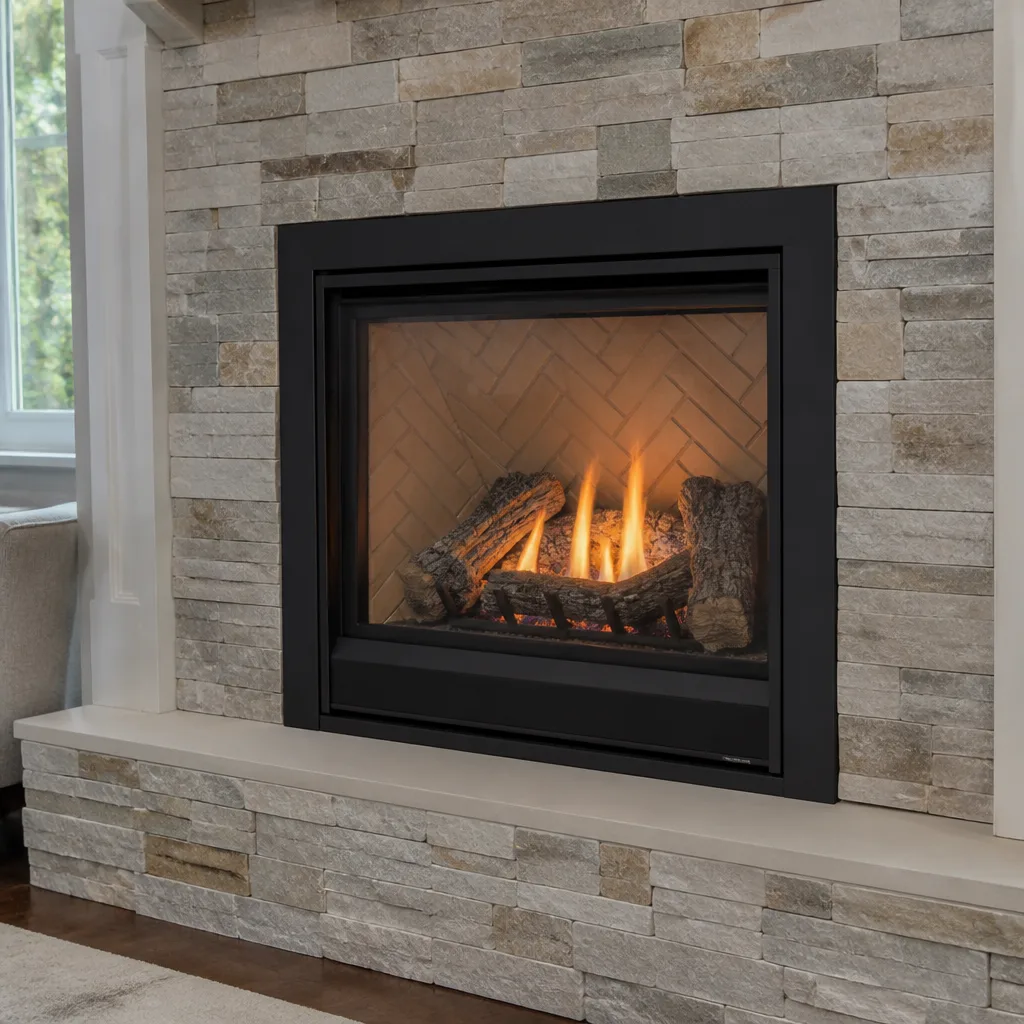 Gas fireplace service
Level 1 sweep and inspection to the NFPA 211 annual standard - flue, crown, cap, and flashing checked and photographed
Chimney sweep logs do not sweep chimneys. They loosen some creosote - which then falls where a brush and vacuum still have to collect it.
Chimney Cleaning Warning Signs: A Holmesburg Homeowner’s Reference Guide
A white staining on your chimney’s exterior is called efflorescence, and it looks cosmetic. It isn’t. That chalky bloom is your masonry telling you it’s actively absorbing water, and most homeowners paint over it. The correct response is entirely different, and it starts with understanding what the stain is saying. That single detail is the whole point of this guide: most chimney warning signs are visible or smellable weeks before a hazard develops, but only if you know what you’re looking at. Below we name each symptom precisely, explain its cause, and tell you exactly how urgent the response needs to be in a Holmesburg home.
Quick Answer
The warning signs that mean stop burning immediately are: dark staining above the damper, smoke rolling back into the room, a strong creosote smell when the fire isn’t lit, crumbling brick, and any animal sound from the flue. Signs you can monitor and book a sweep for are: light efflorescence, a hairline crack in the crown, and minor damper stiffness. Our rule of thumb for Holmesburg homeowners is simple – anything that involves smell, sound, or reverse draft gets evaluated before the next fire, and anything structural gets scheduled within the season.
Styles & brands we work with
- Sweep & inspection
- Caps & crowns
- Flue relining
- Masonry repair
- Gas fireplace service
Table of Contents
- Exterior Warning Signs You Can See From the Driveway
- Interior Warning Signs Inside the Firebox and Room
- Smell-Based Indicators: Wood Smoke vs. Creosote Off-Gassing
- Sound-Based Clues From Inside the Flue
- Urgency Tiers: Monitor, Schedule, or Stop Burning
- How Holmesburg Weather Accelerates Chimney Wear
- What a Proper Inspection Actually Checks
- Common Mistakes to Avoid
- When to Call a Professional
Exterior Warning Signs You Can See From the Driveway
Walk to the end of your block and turn around. A Holmesburg rowhouse chimney seen from across the street tells you more about its condition than the firebox does. The exterior is where masonry problems announce themselves first, because the crown, the brick, and the flashing all take the weather directly, and all three fail in ways that are visible if you know what to look at.
Here are the exterior signs, described so you can actually identify them:
- Efflorescence – a white, powdery, salty-looking bloom on the brick face. Water is moving through the masonry and depositing mineral salts on the surface as it evaporates. The bloom itself is harmless; the water path it reveals is not. Efflorescence on a chimney in Holmesburg is common because our humid summers and freeze-thaw winters push moisture through older brick constantly. Painting over it traps the water and makes the problem worse.
- Spalling brick – the face of a brick peeling or flaking off in layers, often leaving a pitted or crumbly surface. Spalling means the brick has absorbed water, frozen, and broken from the inside out. Once a brick spalls, it cannot be restored; it has to be replaced by a mason.
- Crown cracking – the concrete or mortar cap on top of the chimney develops a crack, usually where the flue meets the crown or along a corner. A cracked crown lets water straight down into the masonry and the flue. It’s one of the cheapest things to fix early and one of the most expensive things to ignore.
- Flashing gaps – the metal or membrane strip where the chimney meets the roof. Look for lifting edges, missing sealant, or daylight visible at the joint. Gaps there let water run down the chimney chase and into ceilings.
- Missing or damaged cap – the metal or masonry cover over the flue. A cap keeps rain, birds, and squirrels out of the flue. When it’s gone or rusted through, everything above the damper is exposed.
None of these require a ladder climb. A phone camera with zoom is enough to see a crown crack or spalling brick from the ground. What you do with what you see is covered in the urgency tiers below. If you’re seeing more than one of these at once on the same chimney in Holmesburg, that’s a pattern, not a coincidence.
Interior Warning Signs Inside the Firebox and Room
Step inside and look up. The firebox and the room around it tell you what the flue is doing when the fire is lit. Smoke behavior is the most direct signal a chimney gives, because a chimney that drafts correctly pulls smoke up and out; a chimney with a problem has nowhere to push it but into the room.
Open the damper, light a small test fire, and watch these signs:
- Smoke rolling back over the top of the firebox opening. Some puff at first light is normal while the flue warms. Smoke that keeps rolling out after five minutes means a draft failure – a blocked flue, a short flue, an oversized flue, or a house that’s depressurized by a running dryer or furnace. Stop the fire and get evaluated.
- Dark staining on the firebox brick above the smoke shelf. The smoke shelf is the ledge inside the firebox that catches falling debris and redirects downdrafts. Staining above it means smoke and creosote have been traveling where they shouldn’t – often a sign of a draft problem or an obstructed flue.
- Rust or flaking on the damper. A damper should open and close smoothly. Rust means moisture is reaching the firebox from above, usually through a missing cap or a cracked crown.
- A damper that won’t seat closed. A warped or jammed damper leaks heat up the flue all winter and admits cold air all summer. It’s a firebox-accessory problem with a fix, but a professional should look at why it warped.
- Staining on the wall or ceiling above the fireplace. Dark streaks or a soft spot on the drywall above the mantel point to water tracking down the chimney chase. This one is a masonry and flashing issue, not a flue issue.
- Creosote crust visible on the flue walls. If you can shine a light up the flue and see a fuzzy, tar-like, or glazed coating, that’s creosote at a stage that requires professional removal. Do not attempt to remove it yourself.
The firebox tells you what happens during a fire; the room tells you what happens around it. Both halves of the picture matter. A fireplace that looks perfectly clean inside the firebox can still have a flue full of third-degree creosote above the damper, which is why visual inspection from the opening is only the first step.
Smell-Based Indicators: Wood Smoke vs. Creosote Off-Gassing
Your nose is one of the most accurate chimney diagnostic tools you own, but only if you know which smell means what. Most Holmesburg homeowners who call us about an odor describe it as “a smoky smell,” and there’s a real difference between normal wood-ash odor and something that means third-degree creosote deposits are building up in the flue.
Here’s how to tell them apart:
- Normal wood smoke odor – smells like a campfire or a fireplace that’s been used recently. It’s strongest on a cold, damp day when the flue is cold and the house is pulling air down the chimney. It fades once you light a fire or the outdoor temperature rises. This is draft-related, not deposit-related, and it’s a common experience in older Holmesburg homes with short flue runs.
- Creosote off-gassing – smells sharper, sourer, and more like tar or asphalt than wood smoke. It’s present even when the fire is out and even when the damper is closed. It’s strongest on hot, humid days when the flue warms up and the deposits release odor back into the house. If you smell it in July with no fire lit, you have deposits that need to come out before the next burning season.
- Smoky smell after a fire without an active fire – often signals a damper that isn’t sealing or a firebox that hasn’t been cleaned. It’s the least urgent of the three but worth noting for your next sweep.
- A chemical or metallic smell – this is not a chimney smell in the ordinary sense and warrants a call to your gas or oil provider if you have a gas appliance vented to the chimney, or to a professional if you suspect a blocked flue. Never assume a smell like that will resolve on its own.
The creosote smell is the one we care most about. It’s the body’s way of telling you that a substance lining your flue is volatile enough to be releasing vapor into your home. In our experience, a homeowner who can smell creosote from the living room in August is a homeowner whose next cold-weather fire has a much higher chimney fire risk than they realize.
Sound-Based Clues From Inside the Flue
Listen. Chimneys make sounds, and most of them are harmless. But a few are diagnostic, and they say things that neither the eye nor the nose can. Here’s how to read them:
- The low draft roar. A healthy chimney makes a soft, steady whoosh when a fire is burning. A roar that’s louder than usual, especially on a fire that isn’t producing much heat, means the flue is pulling more air than it should – usually because of a flue that’s too large for the firebox or a flue with an open bypass. It’s not an emergency, but it signals you’re losing more heat up the chimney than you’re getting into the room.
- Rumbling or a deeper booming sound from the flue. This is a warning sign that can indicate an unstable draft condition or deposits burning at a low level. If you hear a rumble and can also see the flue glowing at the top of the firebox, treat it as an active chimney fire and call 911 immediately.
- Animal sounds. Scratches, chirps, flapping, or a distinct chittering sound from the flue means an animal is inside the chimney – most commonly a bird, a squirrel, or a raccoon. This is urgent in a different way: the animal is blocking your flue and a fire cannot safely be lit until it’s removed and the cap repaired. Do not light a fire to drive the animal out.
- A thump from inside the flue. A single thump, especially a heavy or metallic one, often means something is physically dislodged in the flue – a piece of masonry from the crown, a broken cap component, or a nest that’s come loose. It requires inspection before any fire. A rhythmic thump that repeats with the wind usually points to a loose cap or a damper flapping.
- Whistling or hissing at the top of the chimney during wind. Usually the cap, the crown, or the flashing vibrating or admitting air. Not dangerous, but worth noting.
If you’re unsure which sound you heard, don’t guess – get an inspection. Sounds are the hardest signals for homeowners to self-diagnose and the easiest for a technician to identify once a camera is inside the flue. Our technicians have up to 8 years of experience reading these signals, and the sweep we perform includes a check of every one of them.
Urgency Tiers: Monitor, Schedule, or Stop Burning
Every warning sign in this guide falls into one of three urgency tiers. The tiers are what make this a reference you can actually use, rather than a list of things to worry about. Print the tiers out, or take a screenshot and keep it with your fire-starting gear.
- Monitor (no action needed this week): Light efflorescence with no spalling yet. A single hairline crown crack that hasn’t widened. A damper that’s a little stiff. A faint smoky smell after a fire on a cold day. Any of these just needs to be noted and re-checked at your next scheduled sweep.
- Schedule (book a sweep or inspection soon): Spalling brick beginning. Noticeable creosote smell between fires. Smoke rolling back at lighting but clearing within a few minutes. Cream-colored or light-brown creosote crust visible on the flue wall. A chimney cap that’s visibly rusted or partially missing. All of these mean the system needs attention this season, but they’re not a “don’t light another fire” call.
- Stop burning (call now): Dark staining above the smoke shelf. Smoke that continues to roll back through an entire burn. A creosote smell from the living room when no fire is lit. Any animal sound in the flue. A thump followed by debris in the firebox. A rumble or glow at the top of the firebox. Visible crumbling masonry above the roofline. Stop using the fireplace until a professional has inspected it, and do not try to clear the problem yourself.
Tier three is the tier that prevents chimney fires and carbon monoxide events. Carbon monoxide is a colorless, odorless gas, so the other senses are your only early warning: smell, sound, and smoke behavior are what tell you to act. Tier one and tier two are how you keep a chimney in Holmesburg out of tier three entirely. Book a sweep before the first cold snap; the urgency here is seasonal, not hourly.
How Holmesburg Weather Accelerates Chimney Wear
Holmesburg sits in Philadelphia’s climate zone, which means a chimney here goes through the same freeze-thaw cycle as the buildings it serves: repeated winter cycles where water absorbed into masonry freezes overnight, expands, and cracks the surface. That cycle is what makes efflorescence and spalling so common in Holmesburg brick chimneys – every freeze expands the pores a little more, and every thaw lets a little more water in. The summers add humidity that keeps the masonry damp, and the shoulder seasons add the wet-then-cold transitions that do the most damage.
Two Holmesburg-specific factors shape how the warning signs show up:
- Rowhouse construction. Many homes here are attached on one or both sides, which affects draft. When you light a fire in an attached home, a neighbor’s own flue can compete for air from the same shared chase, and the depressurization of a tight house can pull smoke down rather than push it up. Rowhouse owners often see more smoke-rollout warning signs than detached-home owners in the same weather, and it isn’t always the flue’s fault – the fix is sometimes a top-sealing damper or a flue-sized adjustment.
- Fireplaces that are used seasonally, not constantly. Most Holmesburg fireplaces sit unlit from May through September. During that off season, creosote deposits dry out and release odor into the house, and small cracks in the crown expand from summer heat, then admit water in fall rains, then freeze and spread their first winter.
Our recommendation for a Holmesburg home is to book the annual sweep in early fall, ahead of the first real cold snap. The reason is seasonal: deposits that were manageable in September can be glazed and dangerous by December, and a crown crack that’s visible in August is often a water problem by November. When you’re ready, call us and we’ll book a sweep with a flat-price agreement set before we arrive, so there’s no surprise when we’re on site.
What a Proper Inspection Actually Checks
A chimney sweep done well is not just a brush through the flue. The warning signs above each correspond to a specific check, and a sweep that doesn’t check all of them misses half of what a homeowner needs to know. Here’s what a proper inspection covers when we sweep a chimney in Holmesburg:
- Exterior inspection from the roofline. Crown, cap, flashing, brick face, and flue tile – each is checked for the exterior warning signs in this guide. We take photos so you can see what we’re seeing.
- Firebox and smoke shelf inspection. Staining, damper operation, and brick condition are checked from inside the firebox, since dark staining above the smoke shelf is invisible unless you look up from the right angle.
- Flue inspection with a camera. A chimney camera goes up the flue to inspect for creosote stage, glazing, cracked flue tiles, and obstructions. This is where the sound-based warning signs get resolved – a thump or a rumble usually has a visible cause on camera that isn’t otherwise identifiable.
- Draft test. A draft reading or a smoke test confirms the flue is pulling air correctly, which is the underlying check for every smoke-rollout warning sign.
- Creosote stage assessment. Creosote buildup is classified by stage, and the stage determines whether a standard sweep removes it or whether heavier removal is needed. Stage three (glazed, tar-like) deposits are harder to remove than stage one (flaky). Recognizing the stage is what separates a useful sweep from a quick brushing.
The photo report matters because it answers the homeowner’s real hesitation: how do you know when someone tells you a liner is needed that it actually is? Our answer is simple – we don’t recommend anything without a camera image you can look at yourself, and if the work can safely wait, we tell you it can wait. The sweep and inspection is a documented process for a reason.
Where a liner is needed, the material matters. Our brand work includes DuraFlex flexible liner systems for retrofit and appliance-conversion cases, and HeatShield ceramic resurfacing for cases where the existing flue is intact but the joints are deteriorating. HeatShield is a specific cost-saving option – it addresses failing mortar joints without a full demolition – and it’s available where it fits the flue. The decision between HeatShield and a DuraFlex liner should be based on the flue type, fuel type, and the condition of the existing masonry, not on which one is easier to install.
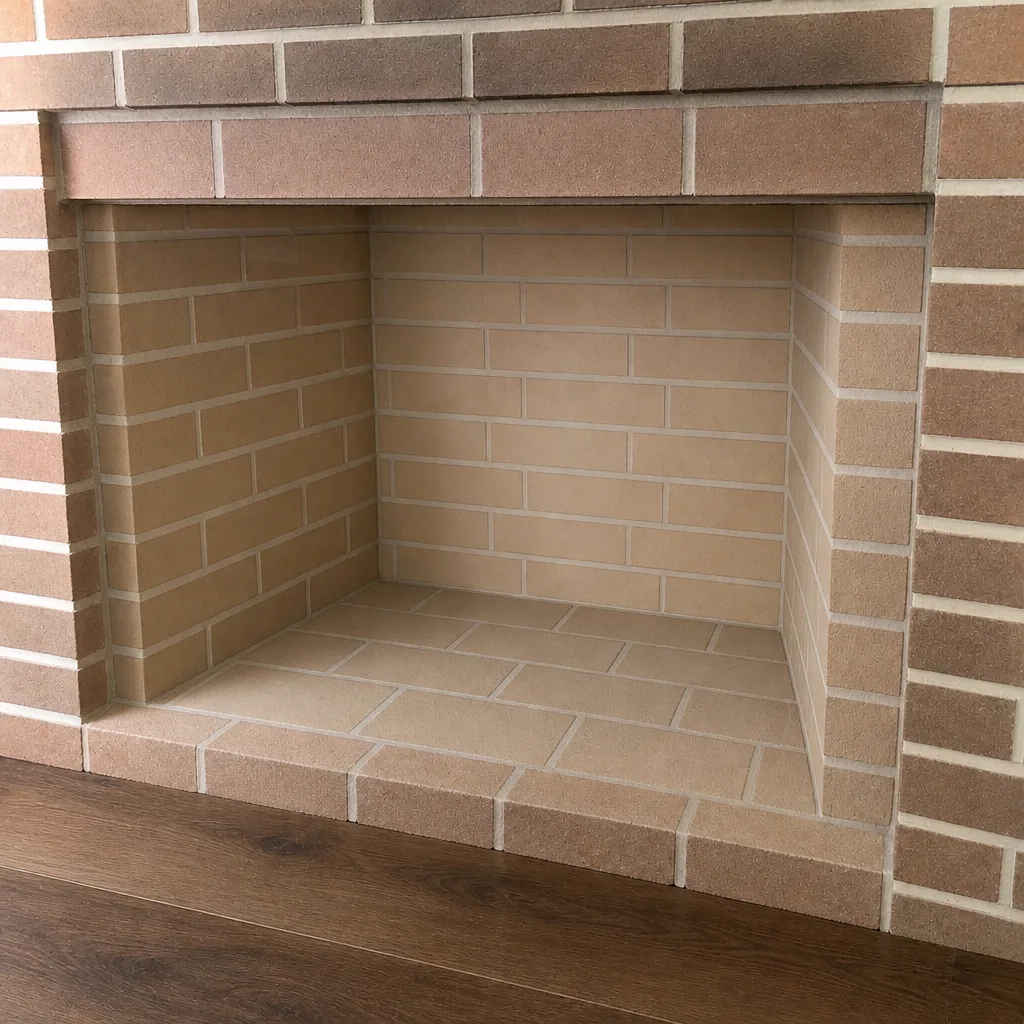
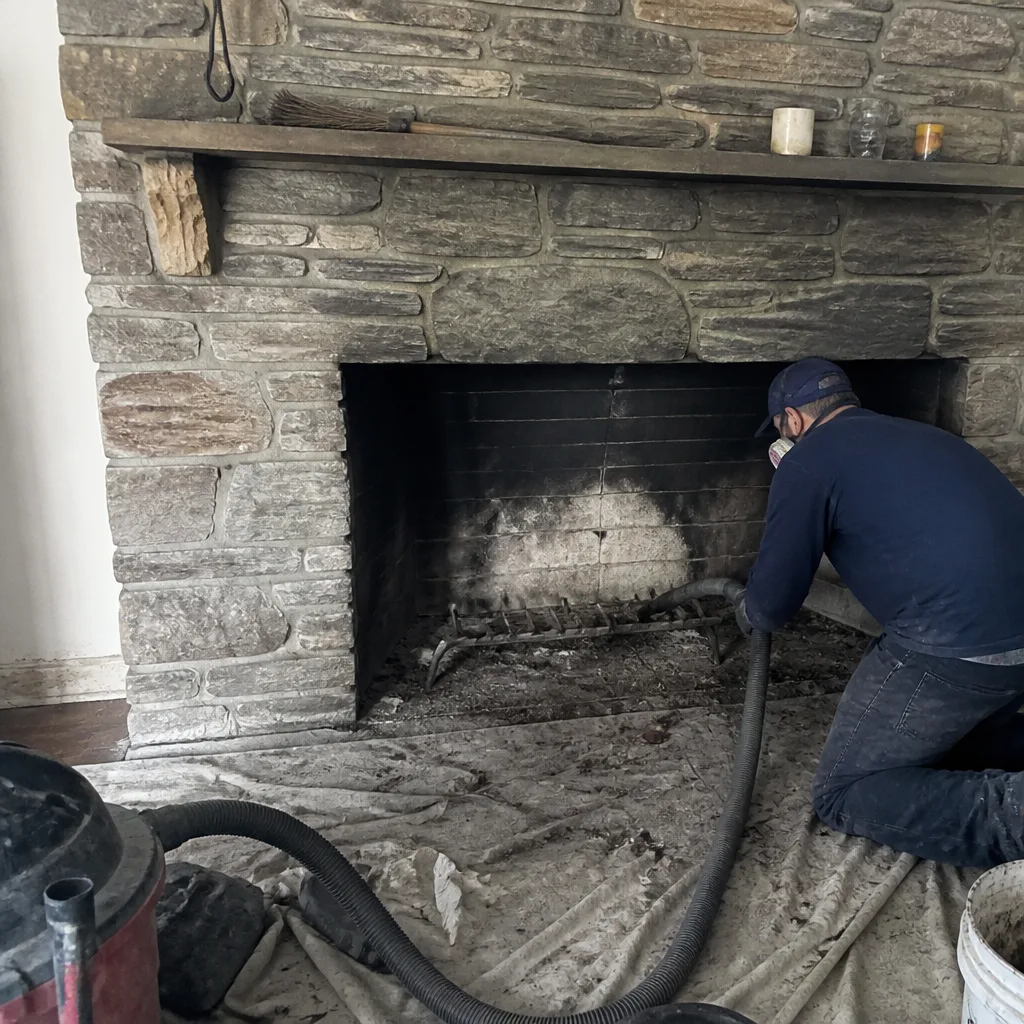
See the difference
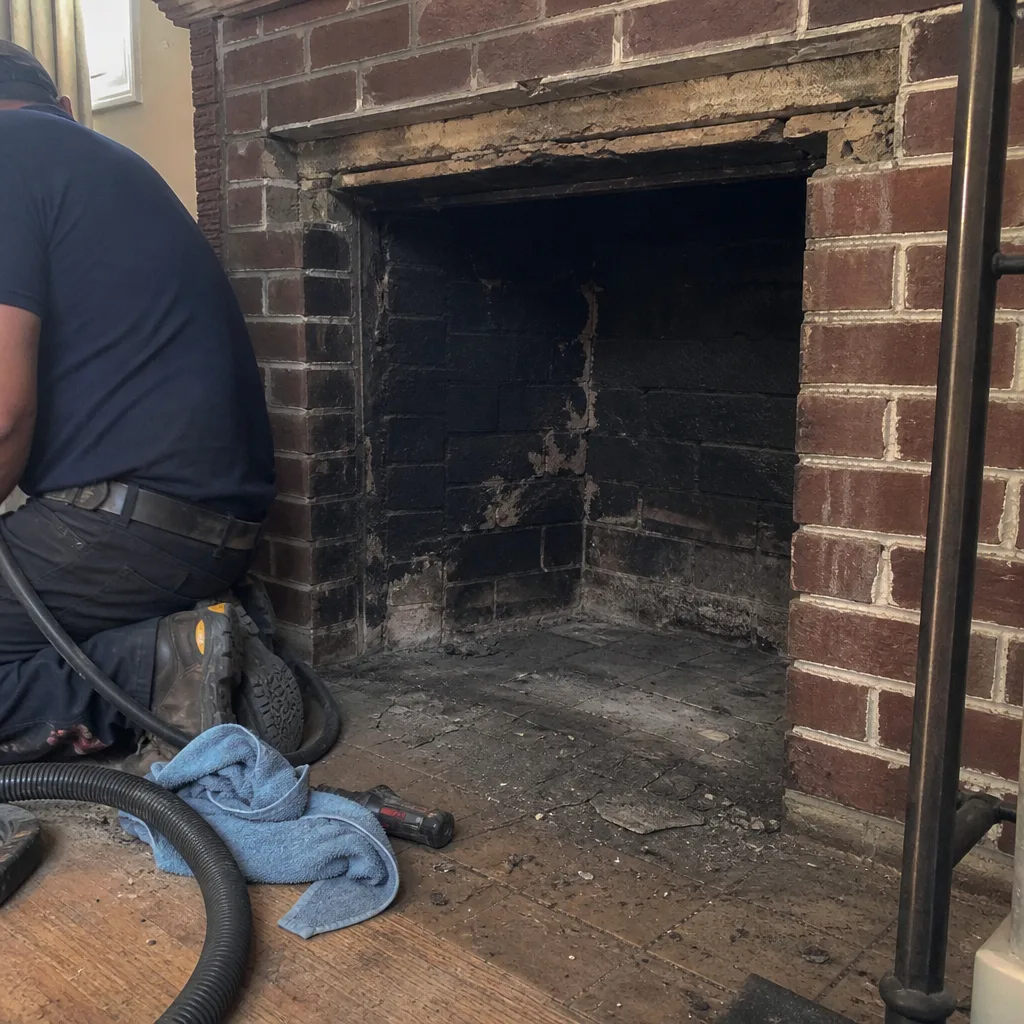 Before
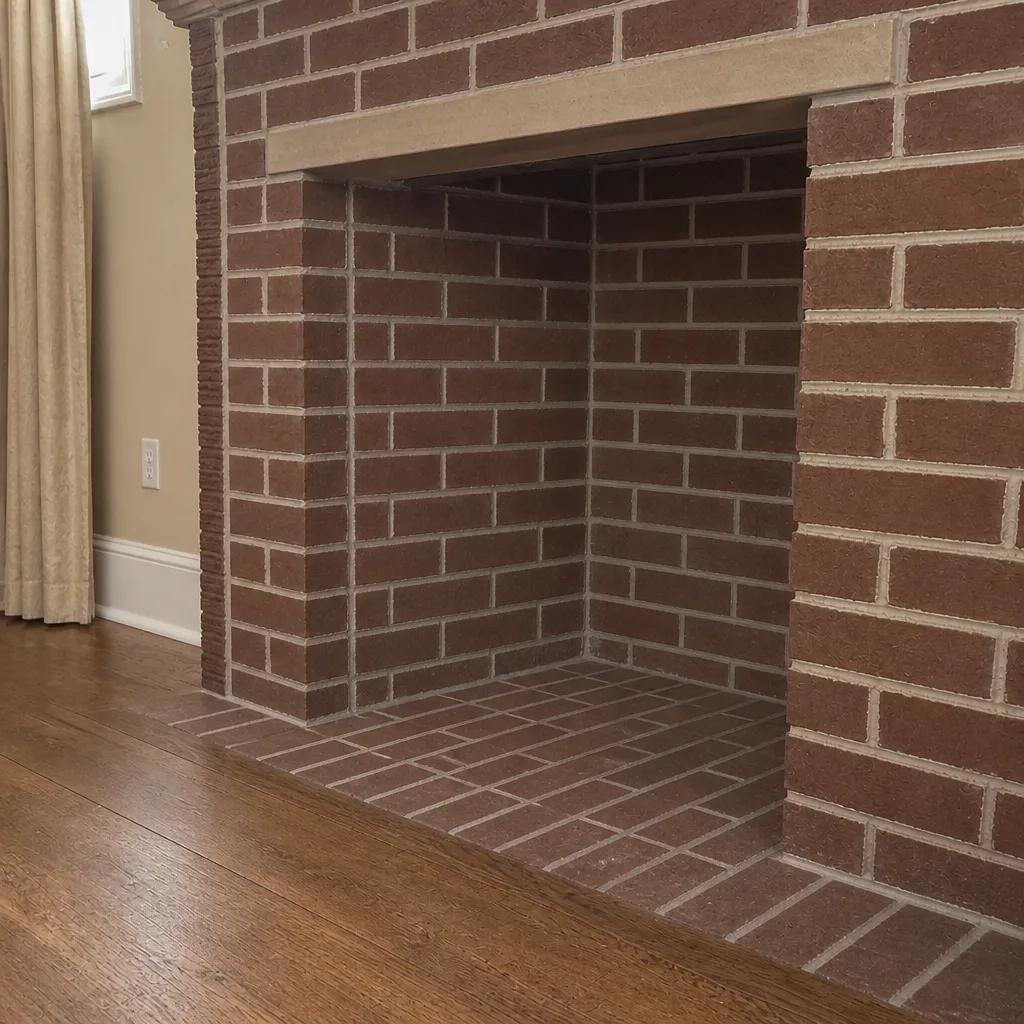 After
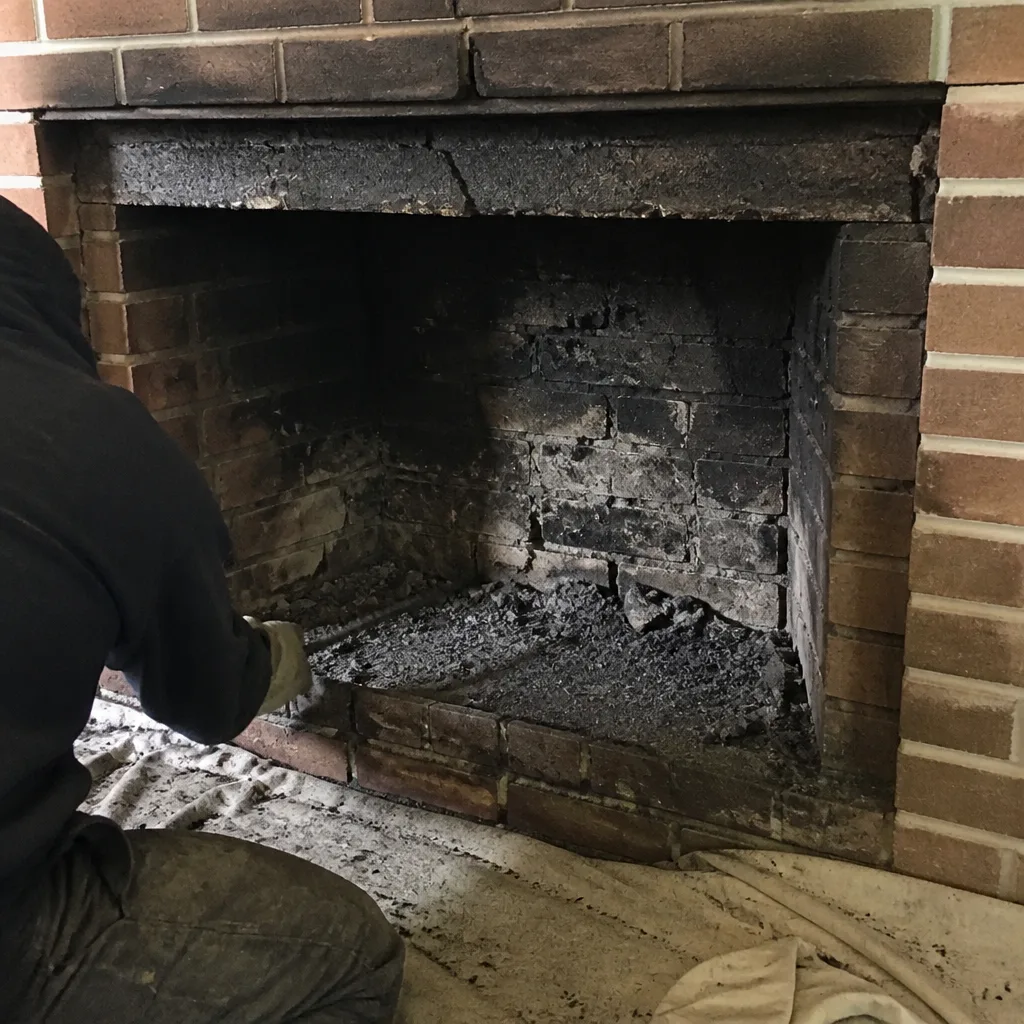 Before
 After
 Before
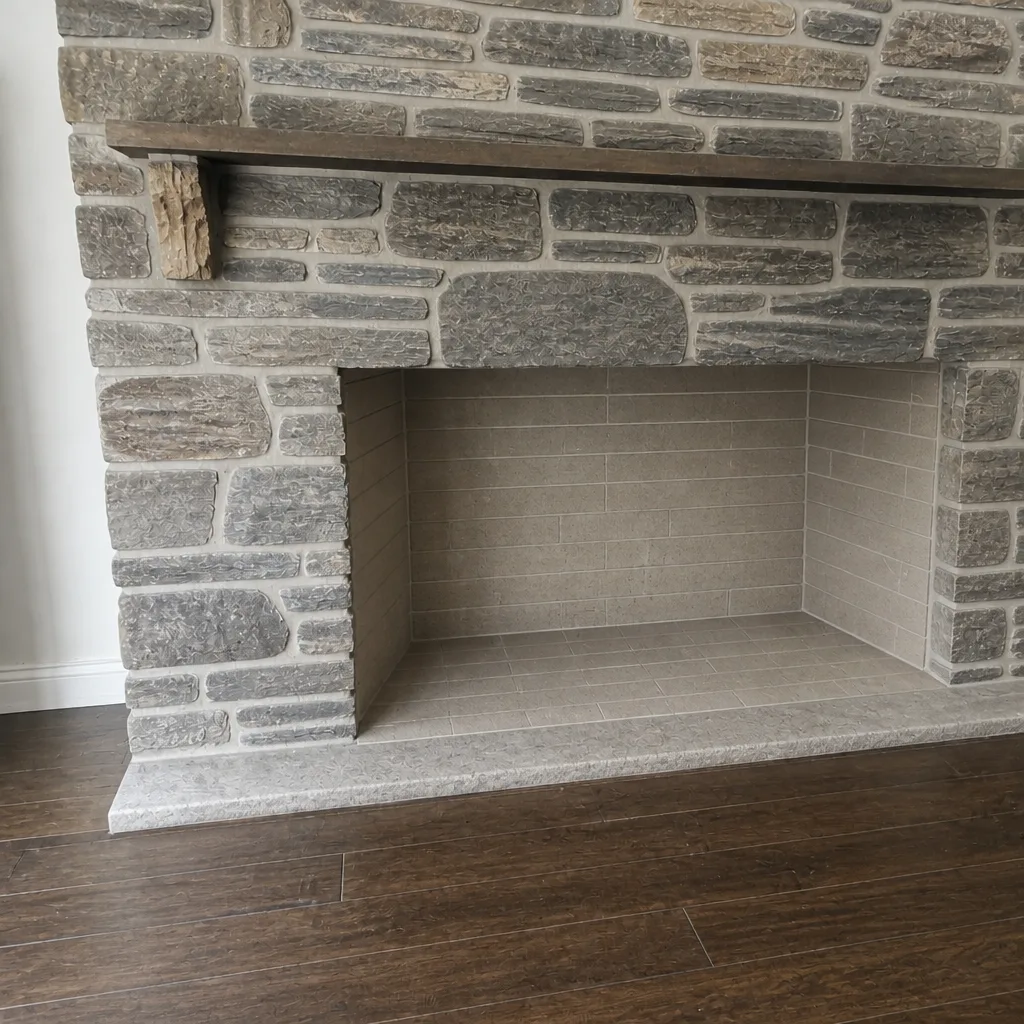 After
Common Mistakes to Avoid
- Painting over efflorescence. It hides the evidence and traps the moisture that caused it. The correct repair is finding and stopping the water path, then repointing or resealing the masonry – not covering the stain with exterior paint.
- Burning the fire “hot to clean the flue.” A hot fire does not clean a chimney; it can ignite third-degree creosote. If you have deposits that are glazed or that you can smell, the fire should stay unlit until a sweep removes them.
- Lighting a fire to drive an animal out. Animals in the flue block it and can catch fire, die in place (which creates a new problem), or cause carbon monoxide levels to back up into the home. Get the animal removed and the cap repaired first.
- Assuming a liner is always needed. A sweep-only company can’t offer HeatShield work, so it recommends a new liner more often. A specialist that stocks both can match the fix to the condition. Ask what the alternatives are before you approve liner work.
- Skipping the crown and cap because they look fine. A crown crack can be a hairline visible only from close up. Ask that the crown and cap be checked specifically on any sweep, not just assumed to be okay.
- Trusting a general handyman for flue repairs. Masonry repairs and liner installations require tools, materials, and knowledge that most generalists don’t carry. Ask what brand the liner is and why it’s the right one for your flue.
- Waiting for a problem to become a repair. The exterior signs of a chimney problem in Holmesburg usually appear a full season before the interior signs. This is why an annual sweep during the shoulder season is the cheapest insurance against a winter emergency.
When to Call a Professional
Call a professional when any tier-three warning sign appears – smoke that keeps rolling back, dark staining above the smoke shelf, creosote smell between fires, animal sounds in the flue, or a rumble with a glow at the firebox top. Call before the next fire in any of those cases. Call before booking a seasonal sweep if you notice spalling brick, crown cracking, flashing gaps, a missing cap, or damper rust, since those mean the chimney is ready for a full service visit rather than a sweep alone. Call before installing a wood stove or changing fuel types, since a liner match is a technical decision. And call before the off season, because fall is when Holmesburg homeowners book their annual sweeps and the calendar fills up. Chimney Sweep Holmesburg offers free estimates in Holmesburg: call (866) 780-1537. We answer 24/7. Fast dispatch from 7am to 7pm, Sunday through Friday.
Frequently Asked Questions
The most urgent signs are dark staining above the smoke shelf, smoke that continues to roll back into the room during a fire, a creosote smell when no fire is lit, and any animal sound from the flue. Each of those means don’t light another fire until a professional has evaluated the chimney. If you hear a rumble and see a glow at the top of the firebox, treat it as an active chimney fire and call 911 immediately. For anything else, call (866) 780-1537 for an exact quote – estimates are free.
No. Efflorescence is a signal, not a diagnosis. It means water is moving through the masonry, and the source can be a crown crack, a flashing gap, a failing damper, or humidity alone. A chimney with light efflorescence and no other signs can usually be monitored at the next annual sweep. A chimney with efflorescence and spalling brick or a cracked crown has an active water path and needs a repair decision. Our technicians have up to 8 years of experience telling the two apart, and the camera inspection settles it.
Wood smoke smells like a campfire and fades when the fire is out or the weather warms. Creosote off-gassing smells sharper and more like tar or asphalt, and it’s present when no fire has been lit and even when the damper is closed. The creosote smell is the sign of third-degree deposits in the flue and needs a sweep before the next fire. Call (866) 780-1537 to book.
Most chimneys in Holmesburg should be swept once a year, and any chimney that’s used heavily or burns unseasoned wood more often. The annual sweep matters here because our freeze-thaw winters open new cracks each season and the off season lets creosote dry and release odor. Book the sweep in early fall, before the first cold snap.
Sometimes yes, and sometimes no. A liner problem that’s caught early with a small area of joint deterioration often can wait until the next season if the fire is lit carefully or not at all. A liner problem with active smoke-rollout signs, water intrusion, or cracked flue tiles should not wait – it can turn into a structural problem or a safety risk. Our policy is simple: nothing is recommended without camera evidence you can see, and if the work can safely wait, we tell you it can wait.
A thump from the flue usually means something has come physically loose inside the chimney: a piece of masonry from the crown, a broken piece of cap, a bird’s nest that has dropped, or a damper that’s vibrating with the wind. It’s not always urgent, but it can’t be diagnosed from outside. Our technicians run a camera to find the source. If you’ve heard a thump and haven’t had a sweep this season, call for an inspection.
It depends on the flue type and the condition. HeatShield resurfacing works where the flue tile is intact but the mortar joints are deteriorating, and it can save a full demolition and liner replacement. DuraFlex flexible liner systems are the choice for retrofit, appliance conversion, and re-lining cases where the flue geometry or damage requires a full liner. The right choice is based on the camera image, the fuel type, and the budget; both are professional-grade options a full-service chimney specialist can offer.
Nothing happens, until it does. Deposits keep building, the crown keeps cracking, water keeps entering, and a fire keeps happening on top of a flue that needs attention. The eventual outcomes are chimney fires, carbon monoxide intrusion, and structural repairs that could have been prevented by a sweep. A professional chimney sweep isn’t a luxury; it’s the cheapest part of owning a fireplace. Book it early in Holmesburg.
The Bottom Line
Most chimney hazards give warnings that a homeowner can see, smell, or hear, and the reference guide above tells you which warning is which. Light efflorescence and a hairline crown crack can be monitored. Spalling brick, a creosote smell between fires, smoke rollout, and a missing cap need to be scheduled. Dark staining above the smoke shelf, an animal in the flue, a rumble, or smoke that keeps rolling back mean stop burning until a professional inspects. From annual sweep to full liner rebuild – one specialist, one call. Our technicians have up to 8 years of experience, we work with DuraFlex, HeatShield, and other professional-grade brands, and we include camera inspection and a photo report with every sweep. If a warning sign on your Holmesburg chimney has you uncertain, call Chimney Sweep Holmesburg at (866) 780-1537. We answer 24/7. Fast dispatch from 7am to 7pm, Sunday through Friday. Estimates are free.
Written by the team at Chimney Sweep Holmesburg.