
Last updated November 22, 2026
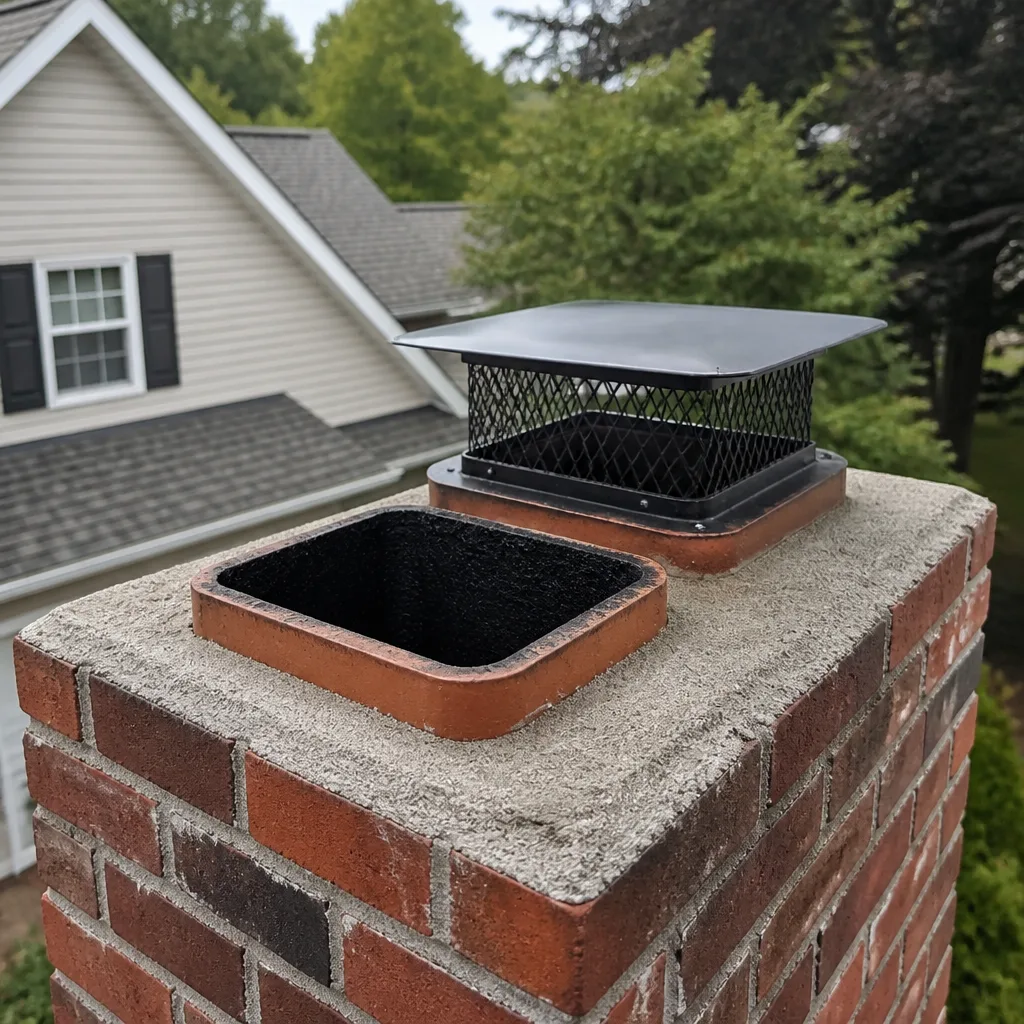 Sweep & inspection
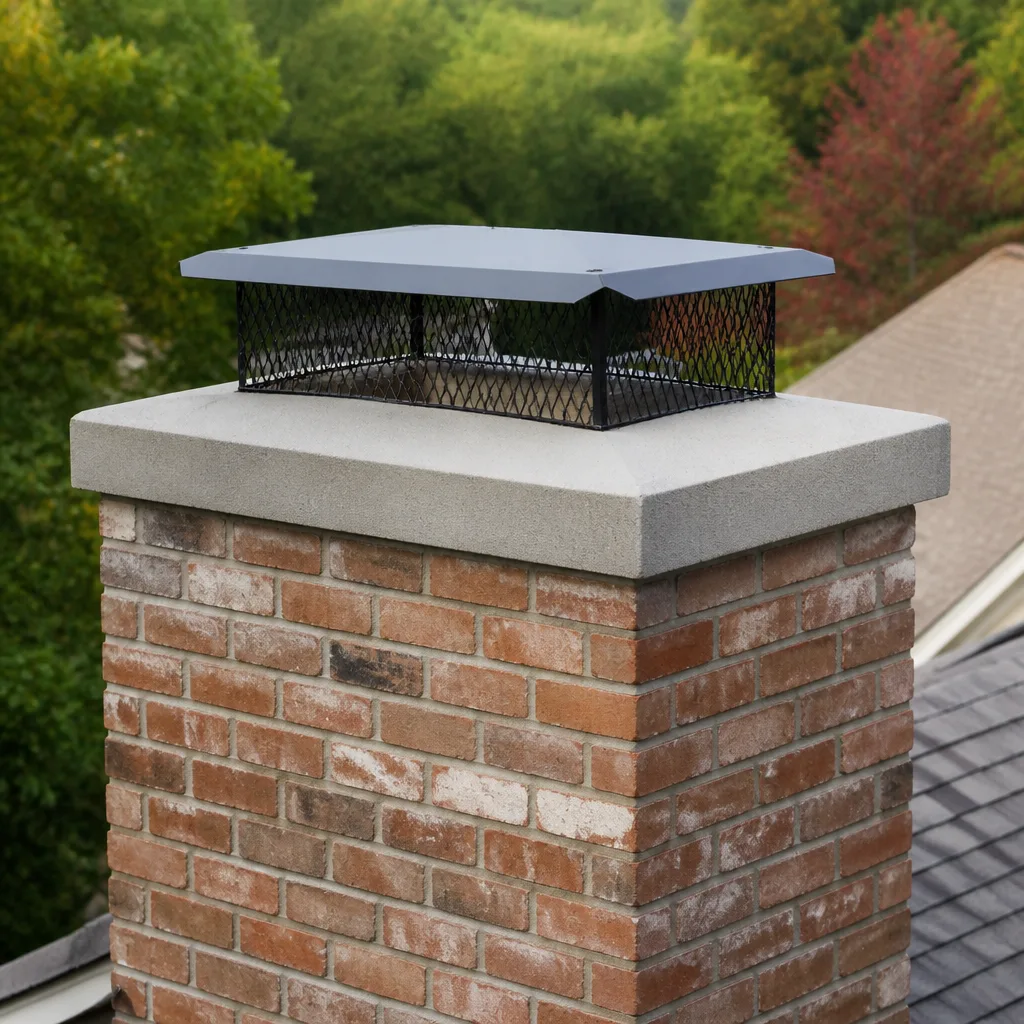 Caps & crowns
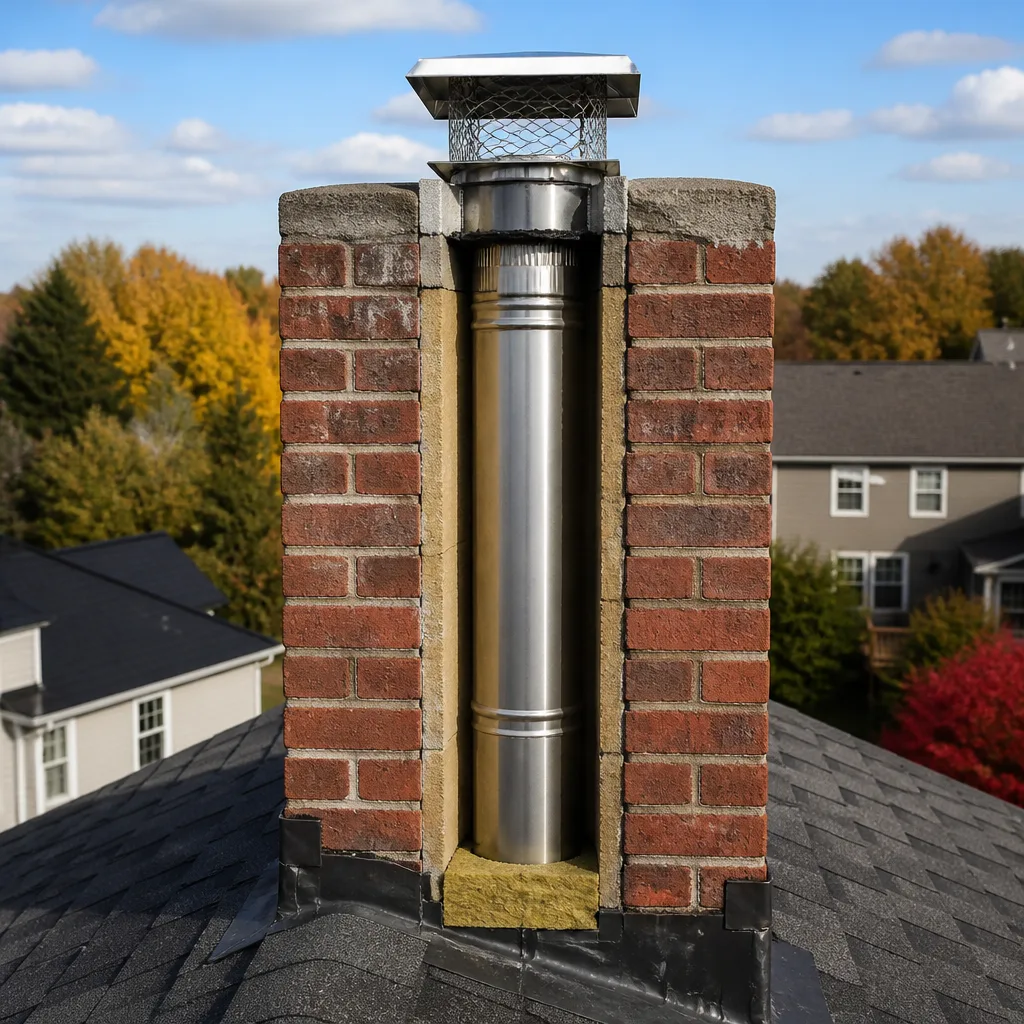 Flue relining
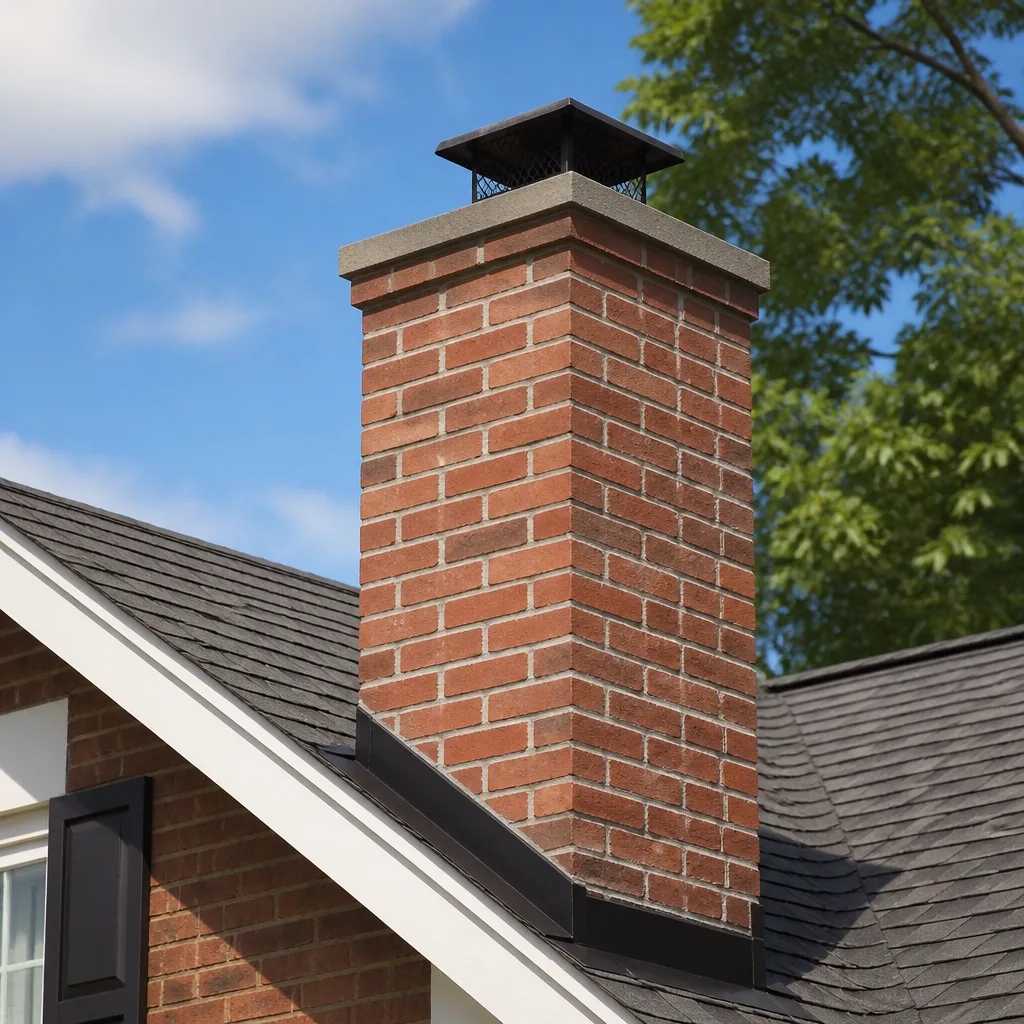 Masonry repair
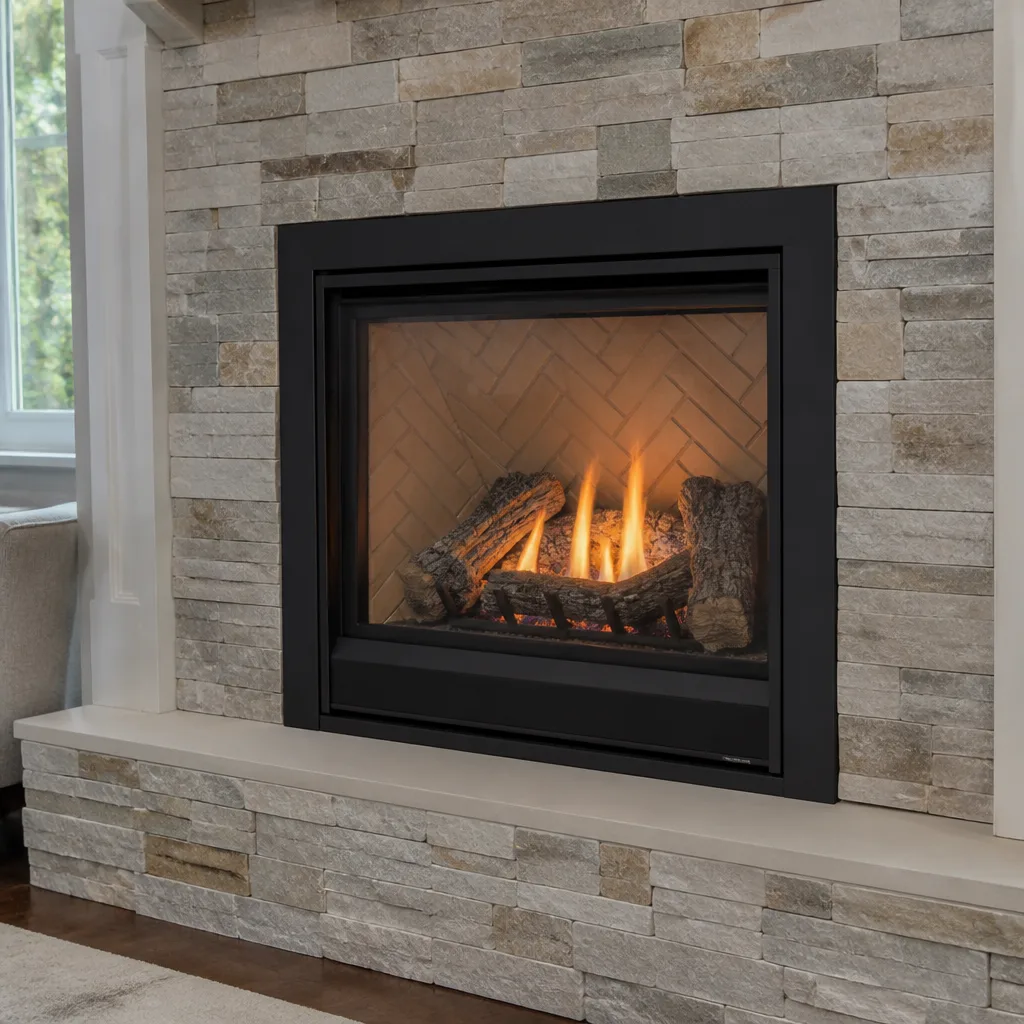 Gas fireplace service
Level 1 sweep and inspection to the NFPA 211 annual standard - flue, crown, cap, and flashing checked and photographed
Chimney sweep logs do not sweep chimneys. They loosen some creosote - which then falls where a brush and vacuum still have to collect it.
The Complete Guide to Chimney Cleaning in Holmesburg
Most homeowners think of chimney cleaning as one job that happens once a year. It isn’t. A chimney is a stack of zones that fail in different ways, and “clean” means something different at the firebox than it does at the smoke chamber or the flue. The National Fire Protection Association names failure to clean as the leading factor in chimney fires, but that statistic only makes sense once you know what cleaning actually removes and where. This guide maps every layer of a Holmesburg chimney, from firebox floor to rain cap, so you understand what a thorough sweep covers, what it should leave behind, and how to tell whether the work was done properly.
Quick Answer
A proper chimney cleaning in Holmesburg means mechanically removing creosote and soot from every zone of the system, not just the flue, and documenting the condition of each zone in a written report. The sweep should include a Level 1 or Level 2 inspection under NFPA 211, photos or notes on what was found, and a clear statement of what needs attention now versus what can safely wait. If a company cleans your flue and hands you a receipt with no condition report, the job is incomplete no matter how much soot came out.
Styles & brands we work with
- Sweep & inspection
- Caps & crowns
- Flue relining
- Masonry repair
- Gas fireplace service
Table of Contents
- The Four Cleaning Zones of a Chimney
- Why Holmesburg’s Older Housing Stock Changes the Job
- Level 1, Level 2, and Level 3 Inspections Explained
- What “Clean” Actually Looks Like After a Professional Sweep
- Why a Sweep Without a Condition Report Is Incomplete
- Creosote: The Three Grades and What Each One Means
- How Often Should a Holmesburg Chimney Be Cleaned?
- What Chimney Cleaning Costs in Holmesburg
The Four Cleaning Zones of a Chimney
Think of your chimney as four stacked zones. Each one collects a different kind of debris, and each one fails in a different way when it’s neglected. A sweep that only brushes the flue addresses one of the four.
Zone 1: the firebox. This is where ash, unburned wood, and flaking firebrick collect. The firebox takes the most direct heat in the system, and its brick and mortar joints crack over time. A sweep cleans ash here, but the real purpose of looking at the firebox is to check the firebrick and the joints behind it. A crack in the firebox wall lets heat reach the surrounding structure, which is a fire hazard that no amount of brushing fixes.
Zone 2: the smoke chamber. Above the damper sits a sloped chamber that funnels smoke into the flue. Its corbeled brick steps collect creosote fast, and the rough surface makes it hard to clean with a standard flue brush. This is the zone most one-size sweeps skip entirely. Smoke chamber cleaning is slower work, and it’s where a lot of glazed creosote hides. Our technicians have up to 8 years of experience, and the smoke chamber is consistently where we find the buildup that a homeowner had no idea was there.
Zone 3: the flue. The vertical passage that carries smoke and gases out of the house. Flue cleaning is the part everyone pictures: the brush, the rods, the soot falling into the firebox. What matters here is matching the brush to the flue type. A clay-tile flue needs a poly brush; a stainless liner needs the right stiffness so the brush cleans without scoring the metal. A one-size brush on a clay flue can chip tile edges, and chipped tiles are the start of a liner problem.
Zone 4: the cap and crown. At the top of the stack, the crown is the concrete or mortar surface that sheds water away from the chimney, and the cap is the cover that keeps rain, animals, and debris out of the flue. Neither one is “cleaned” in the sweeping sense, but both are inspected. A cracked crown lets water into the brick, and freeze-thaw cycles in a Holmesburg winter push that water into every joint it can reach. Cap and crown work is a named part of what we do, and it’s not an afterthought. It protects every sweep and repair underneath it.
Why Holmesburg’s Older Housing Stock Changes the Job
Holmesburg has a lot of brick rowhouses and older single-family homes, many of them built before 1960. That matters for chimney cleaning in three specific ways, and a sweep who works mostly in newer construction won’t necessarily look for them.
Old brick absorbs water. Pre-1960s brick is often softer and more porous than modern brick. When a crown cracks or a cap goes missing, that brick soaks up water like a sponge. Winter freeze-thaw then spalls the brick face and works open the mortar joints. By the time a homeowner notices a stain on the ceiling, the water has usually been getting in for more than one season.
Mortar joints inside the flue deteriorate quietly. The mortar between flue tiles takes decades of heat cycling. When those joints start to crumble, the flue loses its seal and combustion gases can reach the surrounding structure. This is exactly the situation where a HeatShield ceramic resurfacing system can restore the joint without demolishing the chimney. It’s a cost-saving option that a sweep-only company generally can’t offer, because resurfacing requires a different set of materials and training than brushing does.
Original flues were sized for original appliances. A chimney built for a wood-burning fireplace behaves differently when a gas insert, a wood stove, or a furnace is connected to it. An appliance conversion usually needs a liner that matches the new appliance’s venting requirements. That’s where DuraFlex flexible liner systems come in: they let us match the liner to the flue type, the fuel type, and the budget rather than forcing one product onto every job.
Knowing this about the neighborhood changes the questions a sweep should ask. If your home is a Holmesburg rowhouse with its original chimney, the conversation should cover mortar joints and the crown, not just when you last burned.
Level 1, Level 2, and Level 3 Inspections Explained
NFPA 211 defines three inspection levels, and the difference between them is scope, not thoroughness. A Level 1 is not a lesser inspection; it’s the correct inspection for a specific situation. Here’s how the three break down, and when each one applies.
- Level 1 inspection. This covers the readily accessible parts of the chimney and venting system: the firebox, damper, smoke chamber, flue, and the visible portions of the exterior. It’s the right inspection when the appliance hasn’t changed, the chimney has been maintained, and you’re keeping up with an annual sweep. Most routine annual service in Holmesburg is a Level 1 plus a cleaning.
- Level 2 inspection. This adds access to concealed areas, typically through a camera run down the flue, and covers the attic, crawl space, and other accessible spaces the chimney passes through. It’s required after a chimney fire, after an earthquake or other event that may have damaged the system, when a new appliance is being connected, or when a property changes hands. If you’ve just bought a Holmesburg home with a fireplace, a Level 2 is the inspection you want before the first burn.
- Level 3 inspection. This is a diagnostic inspection that involves removing parts of the chimney or building to reach a suspected problem, and it’s used when a Level 1 or Level 2 turns up evidence of a hidden defect. It’s the least common of the three and should only be recommended when there’s a specific reason to open something up.
Here’s the practical point: a company that offers only one kind of inspection is telling you something about its capabilities. If every job is a Level 1, a real Level 2 situation gets missed. When a sweep recommends resealing, relining, or rebuilding, the inspection level that produced that recommendation should be stated clearly in the report.
What “Clean” Actually Looks Like After a Professional Sweep
“It looks clean” is not a standard. After a proper sweep, you should be able to check specific things yourself, and each one should pass.
- The flue walls are visible through their full run. From the firebox looking up, you should see flue tile or liner surface rather than a matte black coating of soot. Soot that wipes off on a finger means the flue didn’t get properly brushed.
- The smoke chamber is free of glazed deposits. The chamber’s sloped surfaces should show bare brick or cleaned masonry, not a shiny, tar-like layer. Glazed creosote is the hard, glassy grade that a standard brush won’t remove, and finding it there is a real result of the inspection.
- The firebox floor is clear of ash and debris. Sweeping debris out of the firebox is the last step, and it’s how you know the sweep finished the job rather than stopping at the flue.
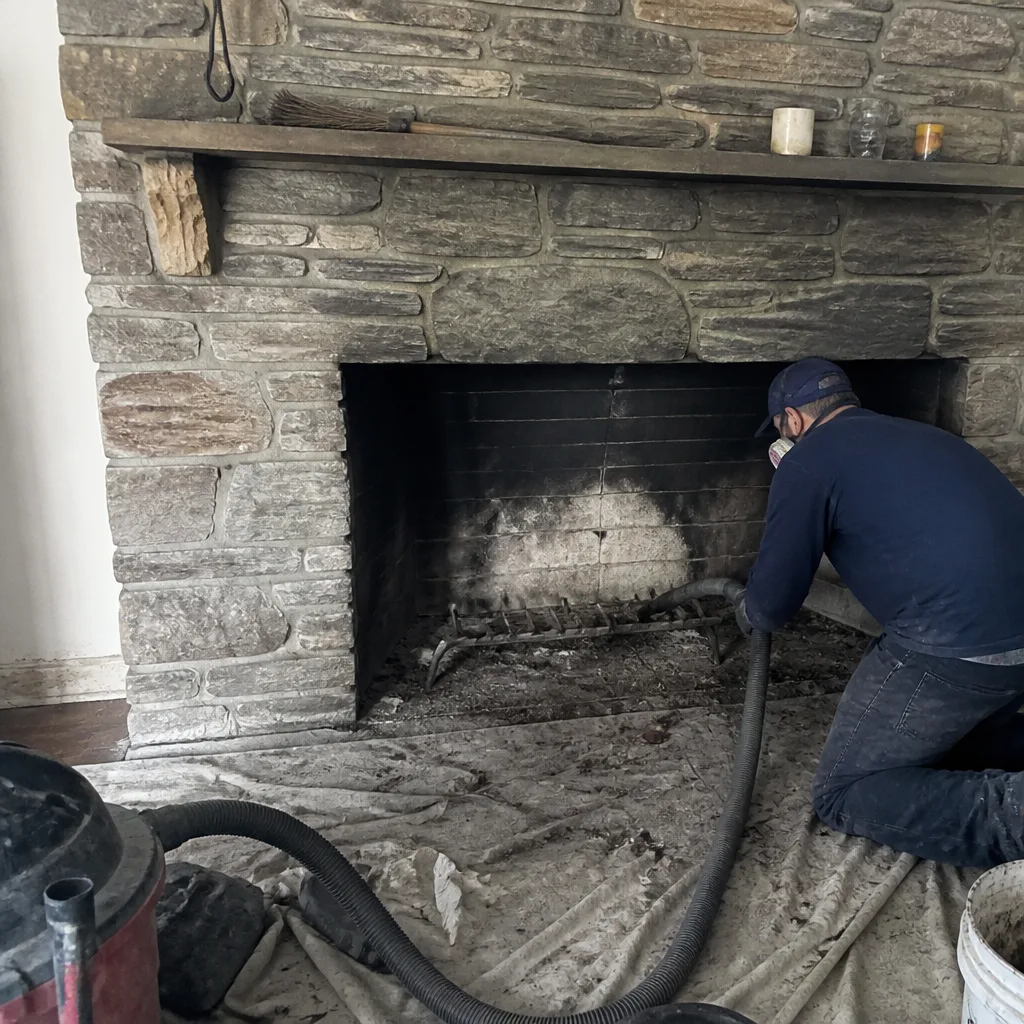
- The surrounding room is as clean as the chimney. A professional sweep uses drop cloths and a vacuum with a proper filter. Soot tracked across a living room means the setup was rushed.
- You have a written report with notes on each zone. This is the real benchmark. The report should state what was cleaned, what condition each zone is in, and what needs attention. A sweep that skips the report is asking you to take the work on faith.
In our experience, the report is where the value of a sweep actually lives. The brushing is a service you can verify by looking. The condition of your mortar joints, your crown, and your flue tiles is not something you can verify by looking, and that’s exactly why it needs to be written down with photos or clear notes.
Why a Sweep Without a Condition Report Is Incomplete
A chimney sweep without a written condition report is a cleaning with no diagnosis attached. You know soot came out. You don’t know whether the flue tiles are intact, whether the mortar joints between them have started to fail, whether the crown is shedding water, or whether creosote has glazed in the smoke chamber where a brush can’t reach it.
That gap matters because chimney problems usually announce themselves late. A failing mortar joint doesn’t drip into your living room the week it starts to crumble. It takes seasons of water and heat cycling before the damage becomes visible inside the house. By then, the repair is often a liner job or a rebuild rather than a reseal.
Here’s what to ask for when you book a sweep:
- A statement of the inspection level performed, and why that level was appropriate.
- Notes on each zone: firebox, smoke chamber, flue, crown, and cap.
- Photos of anything flagged as a defect, so you can see it yourself.
- A clear split between what should be done now and what can safely wait.
- The material or system recommended for any repair, by name, with a reason.
The last two points are the ones that protect you from overselling. A report that separates urgent from optional, and that names the specific material being proposed, gives you something to check. When a company recommends a liner, the report should explain why and specify whether something like a DuraFlex liner or a HeatShield resurfacing is the appropriate fix for that flue. Those are different solutions for different problems, and the choice should be tied to what the inspection found.
Creosote: The Three Grades and What Each One Means
Creosote is the residue left behind when wood smoke cools on the inside of the chimney. It comes in three grades, and each one calls for a different response.
First-degree creosote is a light, flaky soot that brushes off easily. It’s what a well-run fireplace produces when the wood is dry and the fire burns hot. A standard sweep removes it completely.
Second-degree creosote is a crusty, tar-like deposit that clings to the flue surface. A brush takes some of it, but the surface underneath usually needs more work. This grade is common in chimneys that see a lot of low, smoldering fires, and it’s the grade where a homeowner should ask exactly what method the sweep is using to remove it.
Third-degree creosote is glazed and hard, like a coat of varnish baked onto the tile. It’s the most flammable grade, and it’s the one that standard brushing cannot remove. Removing glazed creosote takes specific chemical or mechanical methods, and it’s the kind of finding that belongs in a written report with a photo attached.
Any of the three grades can build up faster than a homeowner expects. The variable is how the fire is run, not how often the fireplace is used. A fireplace that burns damp wood with the damper partly closed can build second-degree deposits in a season, while a fireplace burning dry, well-seasoned wood with a hot fire builds first-degree soot much more slowly. This is also why the condition of the chimney after a Holmesburg winter is worth looking at before the next heating season starts. A chimney that sat unused all summer with a cracked crown is a different situation than one that was checked in the fall. Scheduling the sweep before the first fire of the season means the inspection happens before the system has to work, not after.
How Often Should a Holmesburg Chimney Be Cleaned?
Once a year is the standard recommendation for a chimney in regular use, with an inspection at the same time. The annual schedule isn’t arbitrary: it matches the heating season, so a sweep done before the first fire catches a season’s worth of deterioration before it gets used again.
Some situations call for a closer look than once a year:
- You’ve just bought the house. A property transfer is the classic Level 2 situation. You don’t know how the previous owner ran the fireplace, and the chimney’s history is unverified.
- The fireplace has never been used, or hasn’t been used in years. A long-unused flue can hold animal nests, leaves, and debris on top of whatever creosote was left behind.
- You’ve had a chimney fire, even a small one. Even a brief fire can crack flue tiles, and the damage isn’t visible from the firebox.
- You’ve changed appliances. A new insert, stove, or furnace connection changes the venting requirements, and the liner may need to be matched to the new appliance.
- You burn a lot of wood. Heavy use builds deposits faster, and a mid-season check is reasonable if you’re burning steadily through the winter.
If you’re not sure where you fall, the safest answer is to book a sweep and let the inspection decide. A sweep on a chimney that turns out to be clean is a cheap way to confirm the system is sound. Skipping a sweep on a chimney that needed one is how small problems become structural ones.
What Chimney Cleaning Costs in Holmesburg
Chimney cleaning in Holmesburg is priced per job by a written estimate, so the only reliable number is the one you get after an inspection of your specific chimney. What drives the price is the scope of the work: how many zones need cleaning, whether glazed creosote is present, how accessible the flue is, and whether the inspection turns up a repair that belongs in the same visit.
A standard sweep and Level 1 inspection on an accessible chimney is the simplest version of the job. Add a smoke chamber that needs real cleaning, or a flue with second-degree deposits, and the work takes longer. Add a repair like a crown reseal or a cap installation, and that’s a separate line on the estimate.
The estimate itself is free, and the written estimate sets the final price. That ordering matters: you should see the scope and the price in writing before any work starts. If a company quotes a number over the phone and then revises it after arriving, the estimate wasn’t really an estimate.
For a deeper look at the individual services and what they involve, see our pages on chimney sweep service, chimney cap & crown work, and chimney repair. Each one covers the scope of that job in detail, and together they map the full service arc from routine cleaning through structural work. If you want the overview of how those pieces fit together for a Holmesburg home, start with Chimney Sweep Holmesburg.
Common Mistakes to Avoid
- Treating the sweep as a cleaning only. A sweep without an inspection misses the mortar joints and flue tiles, which are where the expensive problems start. Ask for the inspection level in writing.
- Accepting a verbal all-clear. “You’re all set” is not a condition report. Ask for notes on each zone, and ask for photos of anything flagged.
- Assuming a clean flue means a healthy chimney. The flue can be spotless while the crown is cracked and the smoke chamber is glazed. Cleaning and condition are separate questions.
- Skipping the sweep because the fireplace “worked fine” last winter. Chimneys fail slowly and quietly. The absence of a problem you can see is not evidence that the system is sound.
- Letting a missing cap go. An open flue is an invitation for rain, birds, and squirrels. In a Holmesburg rowhouse, a blocked flue affects the whole venting system, not just the fireplace.
- Hiring a generalist for a specialist’s job. A handyman can brush a flue. Matching a liner to an appliance conversion, or resurfacing a deteriorating flue with a HeatShield system, is chimney work that requires the right materials and the right training.
- Burning damp or unseasoned wood. Wet wood produces more creosote per fire, and it’s the single biggest reason deposits build faster than the annual schedule expects.
See the difference
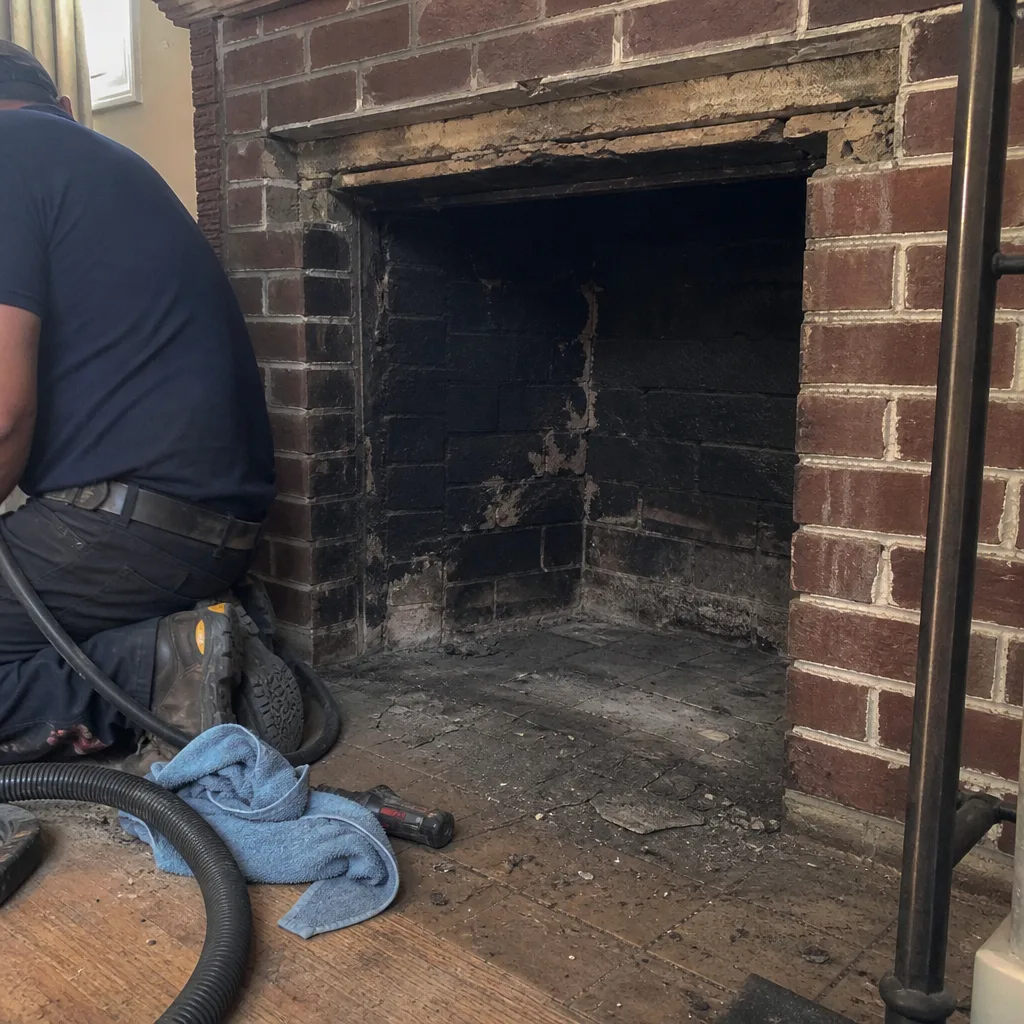 Before
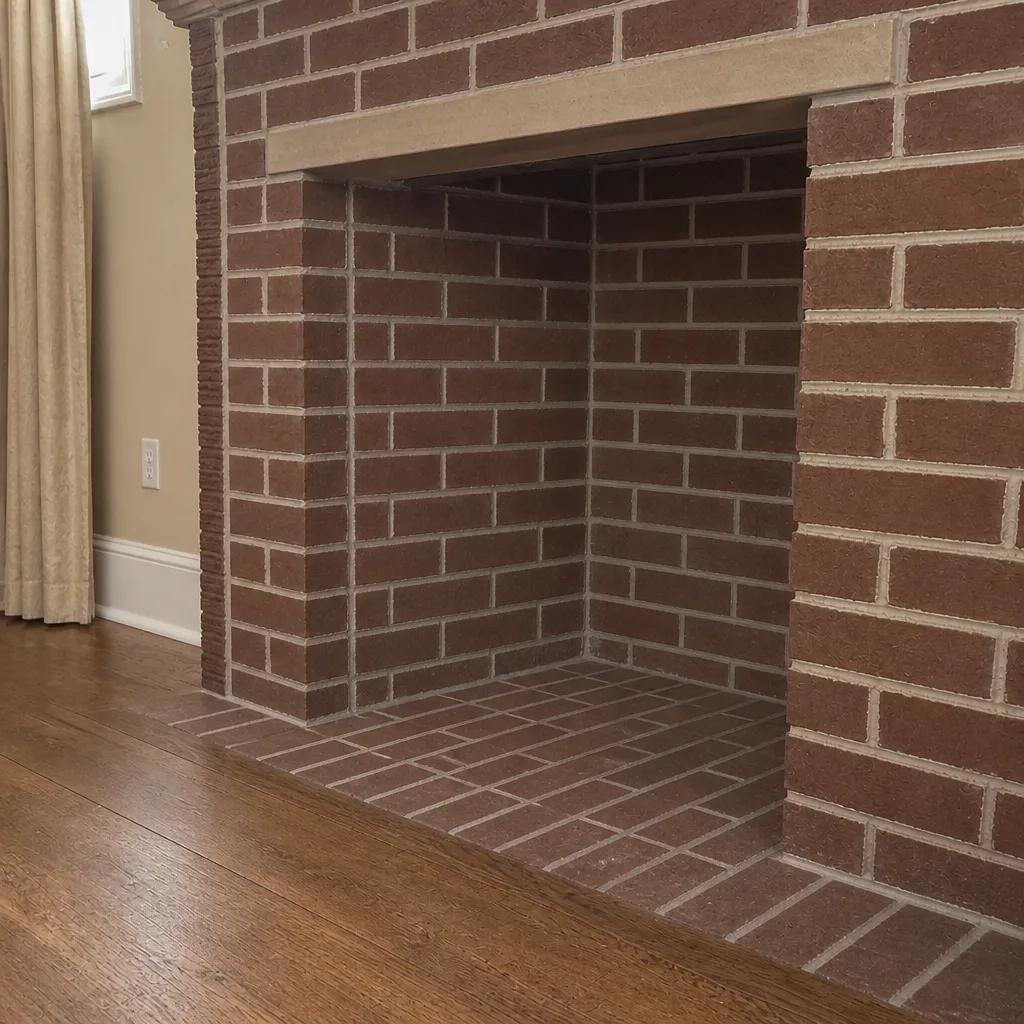 After
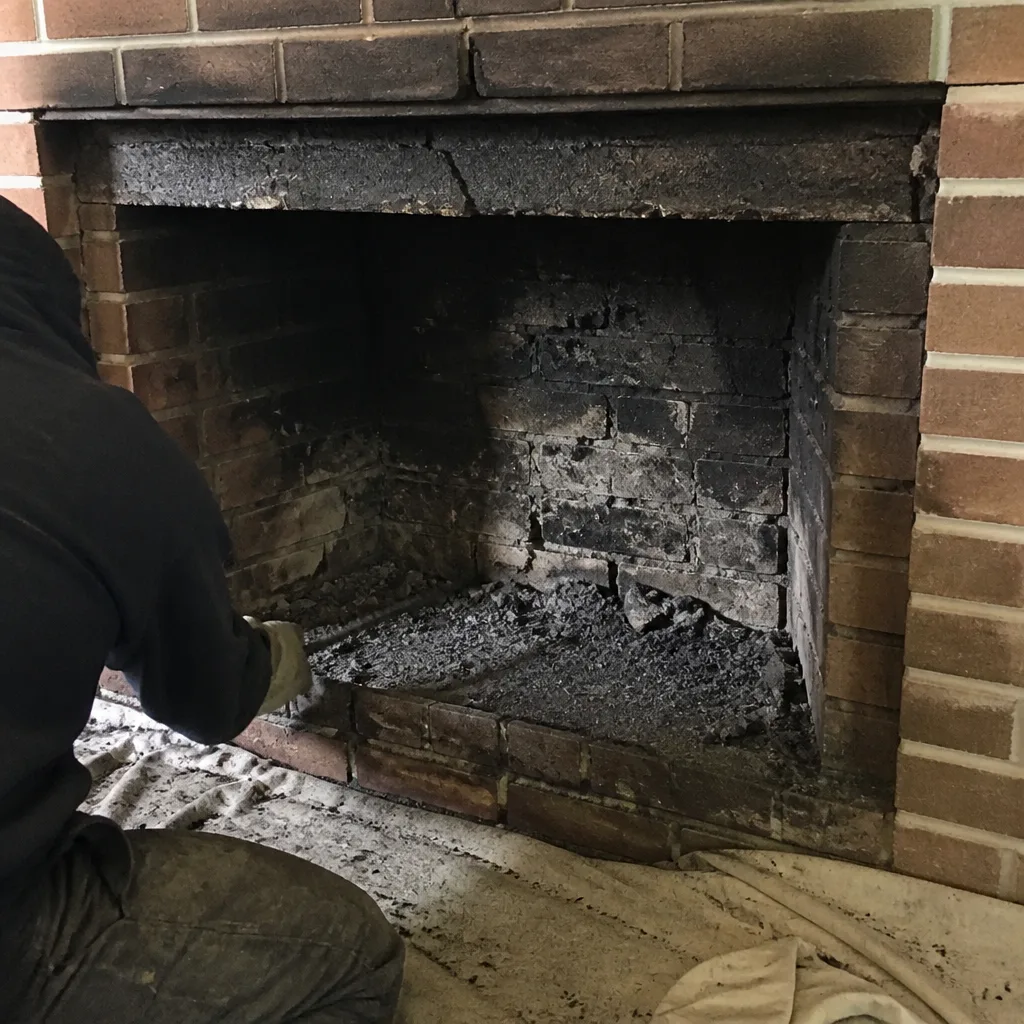 Before
 After
 Before
 After
When to Call a Professional
Call a professional chimney specialist when the situation involves anything beyond a routine annual cleaning, and call sooner rather than later when you notice a change. A strong, acrid smell from the fireplace, smoke that rolls back into the room instead of going up, a stain on the ceiling or wall near the chimney, or visible crumbling in the firebox are all reasons to have the system inspected before the next fire. So is a chimney fire, a new appliance, or a home you’ve just purchased. Those are Level 2 situations, and they should be handled by someone who can inspect the concealed parts of the flue and recommend the right repair material if something is found. Chimney Sweep Holmesburg offers free estimates in Holmesburg. Call (866) 780-1537. We answer 24/7. Fast dispatch from 7am to 7pm, Sunday through Friday.
Frequently Asked Questions
Chimney cleaning in Holmesburg is priced per job by a written estimate, so the price depends on your chimney’s scope: how many zones need cleaning, whether the flue has heavy or glazed creosote, and whether the inspection finds a repair. The estimate is free, and the written estimate sets the final price. Call (866) 780-1537 for an exact quote.
Yes, for a chimney in regular use. The annual schedule matches the heating season, so the inspection happens before the chimney has to work again. A chimney that’s used lightly may need less cleaning, but it still needs the annual inspection, because the slow failures like mortar joint deterioration and crown cracks don’t show up in the firebox. Call (866) 780-1537 to book a sweep and let the inspection tell you what’s actually needed.
A Level 1 inspection covers the readily accessible parts of the chimney: firebox, damper, smoke chamber, flue, and visible exterior. A Level 2 adds access to concealed areas, typically with a camera run down the flue, plus the attic and crawl space where the chimney passes through. A Level 2 is the right inspection after a chimney fire, after a property transfer, or when a new appliance is being connected. Call (866) 780-1537 if you’re not sure which one your situation calls for.
Creosote builds up, and the deposit grade climbs. First-degree soot becomes second-degree crust and, in time, third-degree glaze, which is the flammable grade and the hardest to remove. Alongside that, the mortar joints and crown keep deteriorating out of sight, so the eventual repair is usually larger than it would have been. Call (866) 780-1537 to schedule a sweep before the next heating season.
Not always, and that’s the point of the inspection. A liner is needed when the flue’s integrity is compromised: cracked tiles, deteriorating mortar joints that let gases escape, or a new appliance that the existing flue wasn’t sized for. In some cases a HeatShield ceramic resurfacing system can restore deteriorating joints without full replacement, and in others a DuraFlex flexible liner is the right fix. The recommendation should come with photos and a written reason, and nothing should be recommended without evidence you can see. Call (866) 780-1537 for an inspection and a free estimate.
We don’t recommend it. A chimney sweep involves working on a roof or from the top of a tall flue, handling a brush on rods through a space you can’t fully see, and then assessing whether what’s inside is sound. The assessment is the part that matters most, and it takes training and the right inspection tools. Call (866) 780-1537 and let a specialist handle it.
The Bottom Line
Chimney cleaning in Holmesburg is a layered process with four zones, and a sweep that covers only the flue leaves three of them unexamined. The creosote grade in the smoke chamber, the mortar joints between the flue tiles, and the condition of the crown all matter as much as how much soot came out, and none of them can be judged from the firebox. A thorough job pairs the cleaning with a Level 1 or Level 2 inspection and a written condition report that separates urgent repairs from optional ones. The older brick housing in Holmesburg makes that report more important, not less. Book the sweep before the heating season, ask for the report, and expect the recommendation to come with evidence you can see for yourself.
Call (866) 780-1537 for a free estimate. We answer 24/7. Fast dispatch from 7am to 7pm, Sunday through Friday.
Written by the team at Chimney Sweep Holmesburg.